Qualcomm has introduced two new mobile chipsets, the Snapdragon 6 Gen 5 Mobile Platform and Snapdragon 4 Gen 5 Mobile Platform, expanding its lineup for mid-range and entry-level smartphones. The announcement focuses on practical upgrades, including improved performance, better battery efficiency, and smoother day-to-day usage.

Both platforms debut Snapdragon Smooth Motion UI, a feature designed to improve navigation and reduce lag across the system. According to Qualcomm, the Snapdragon 6 Gen 5 delivers up to 20% faster app launches and reduces screen stutter by 18%. The Snapdragon 4 Gen 5 shows larger gains in this area, with up to 43% faster app launches and a 25% reduction in stutter, targeting users who prioritize consistency in everyday tasks.

The Snapdragon 6 Gen 5 is built for users who want additional features beyond basic performance. It includes AI-based camera enhancements aimed at improving image processing and photo quality. The platform also introduces the Qualcomm Adaptive Performance Engine 4.0, designed to maintain stable performance during extended gaming sessions. GPU performance sees an uplift of up to 21%, which should translate into smoother visuals in supported titles. Connectivity is another focus, with support for 5G and Wi-Fi 7, alongside power efficiency improvements intended to extend battery life under mixed usage.

Meanwhile, the Snapdragon 4 Gen 5 targets the entry-level segment but still brings notable changes. Qualcomm claims up to 77% improved GPU performance compared to the previous generation. The chipset also enables 90 FPS gameplay for the Snapdragon 4 series for the first time, offering a better experience for casual gaming. Connectivity features include Dual SIM Dual Active support, allowing simultaneous use of multiple networks without switching.
In a statement, Chenwei Yan said the new platforms are designed to deliver balanced improvements across performance, efficiency, and connectivity. The company continues to focus on features that impact everyday use rather than pushing only peak specifications.
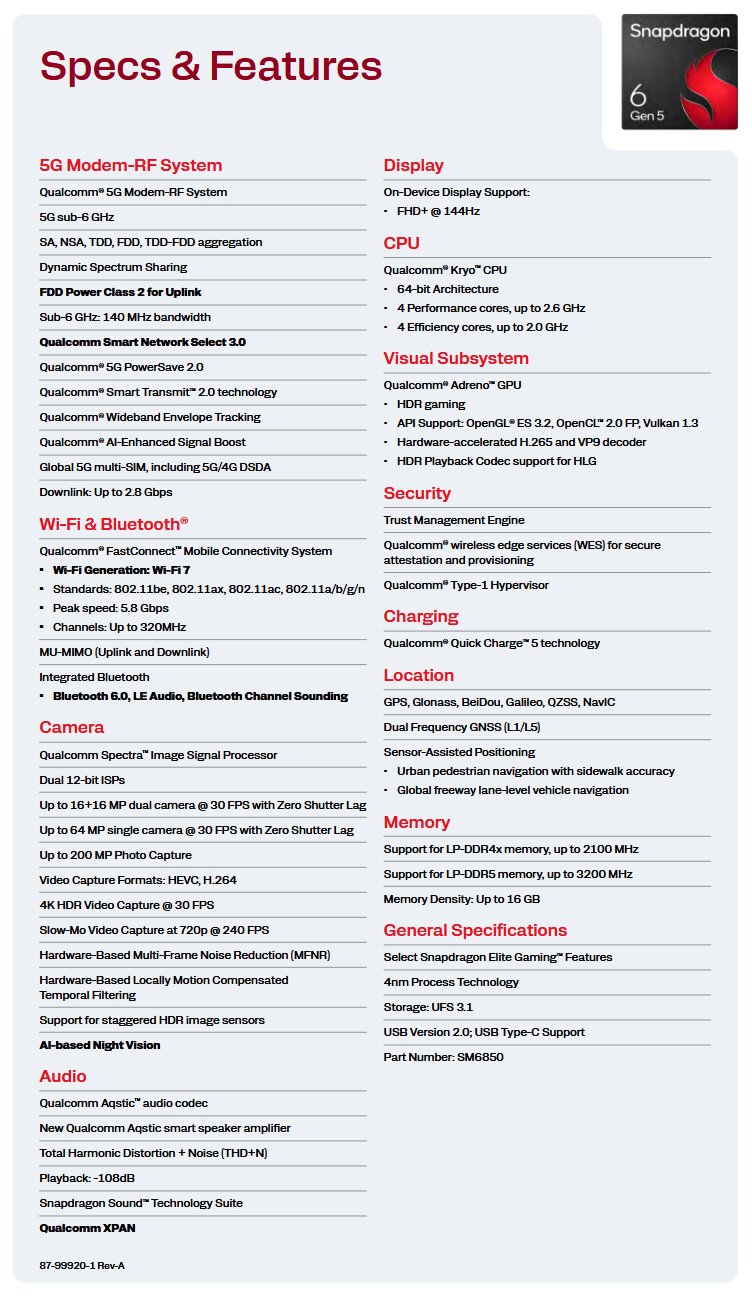
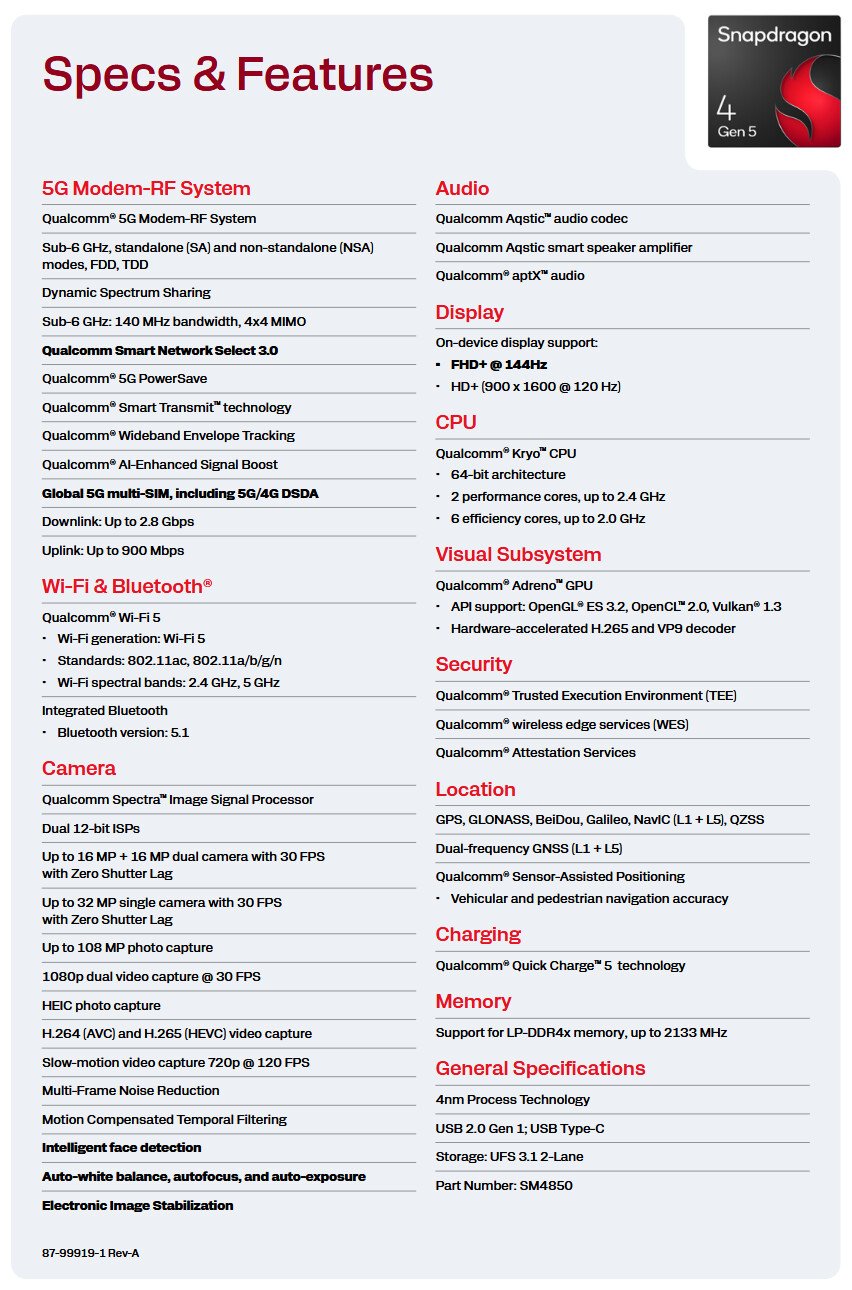
Xiaomi has confirmed that it plans to use both chipsets in upcoming smartphones. With this launch, Qualcomm is strengthening its presence in segments where users expect reliable performance, longer battery life, and stable connectivity at competitive price points.