GPU prices are climbing again, and the latest data shows that the increase is becoming harder for PC gamers to ignore. According to pricing data tracked by TechSpot across 10 countries, graphics card prices increased by an average of 15% in a single month. When all models are averaged together, excluding the GeForce RTX 5090, GPUs are now selling for around 28% above their launch MSRPs.
The RTX 5090 was excluded because its pricing has moved far beyond the rest of the market. NVIDIA launched the flagship at $1,999, but the cheapest model currently available in the US is approaching $5,000. That represents roughly a 145% increase over MSRP in the US, while its global pricing is around 136% above the original launch price.
The broader GeForce lineup is also seeing larger increases than AMD’s Radeon cards. GeForce GPUs rose by an average of 19% month over month, compared with an 11% increase for Radeon models. The figures follow previous reports showing that some RTX 50-series graphics cards had already experienced price increases of up to 41% in a single month.
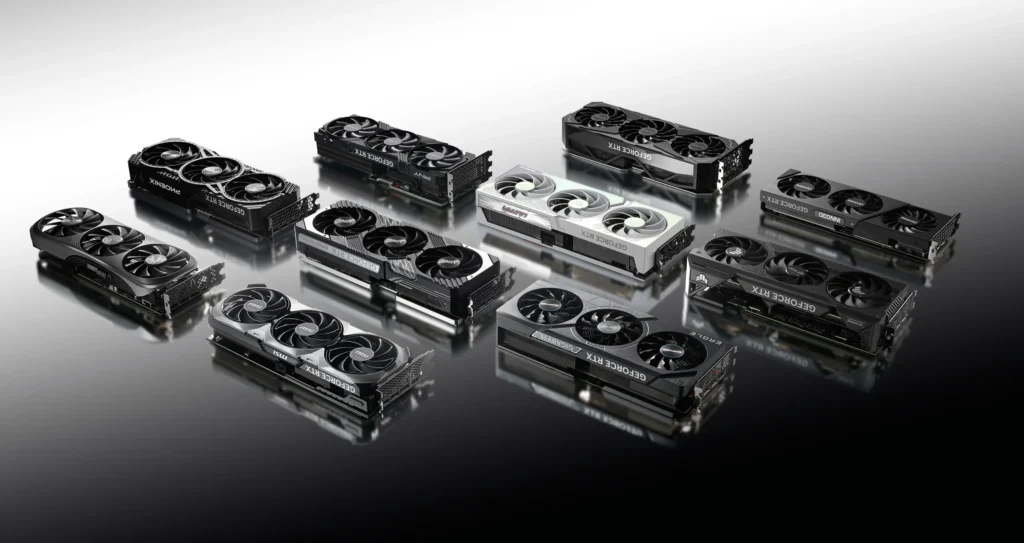
The RTX 5060 Ti 16GB is now one of the most expensive cards relative to its launch price. The GPU carries a $429 MSRP, but its US pricing has reached approximately 70% above that figure. Globally, the 16GB model is around 53% above MSRP. The 8GB version has seen a much smaller increase, sitting at roughly 14% above MSRP worldwide.
Some of the current price differences include:
- GeForce GPUs: Up 19% month over month on average
- Radeon GPUs: Up 11% month over month on average
- RTX 5060 Ti 16GB: Around 70% above MSRP in the US
- RTX 5060 Ti 16GB: Around 53% above MSRP globally
- RTX 5060 Ti 8GB: Around 14% above MSRP globally
- Radeon RX 9060 XT 16GB: Around 28% above MSRP globally
- Radeon RX 9070: Around 13% above MSRP globally
- RTX 5090: Nearly $5,000 for the cheapest US model
Memory supply appears to be one of the factors behind the latest increases. GDDR7 is being used by NVIDIA’s RTX 50-series GPUs, while demand for the newer memory technology is also coming from AI hardware. If GDDR7 production is increasingly allocated toward AI products, gaming graphics cards could face tighter supply and higher component costs.
AMD is in a somewhat different position because its current Radeon RX 9000-series cards use GDDR6 rather than GDDR7. That may help explain why Radeon pricing has increased less than GeForce pricing during the latest period.
For PC buyers, the situation means that launch MSRP is becoming less useful as a reference point when comparing current graphics cards. The RTX 5060 Ti 16GB, for example, is now considerably more expensive than NVIDIA’s original pricing suggested, while the RX 9070 remains much closer to its intended price.
Whether these increases continue will depend partly on memory supply and demand from the AI market. If pressure on GDDR7 availability remains high, NVIDIA’s RTX 50-series pricing could face further increases. Radeon cards may have more room to absorb the pressure for now, but they are not completely protected from broader supply and component costs.
For anyone planning a GPU upgrade, checking the actual street price before buying is becoming increasingly important. With some cards selling well above MSRP, waiting for a better deal could make more sense than paying the current premium.