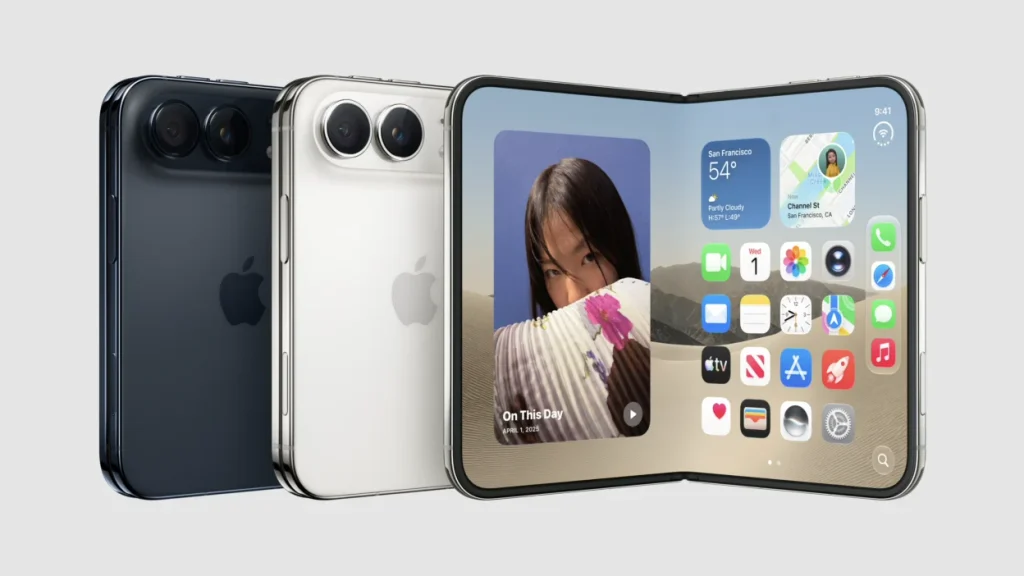
Apple has finally made its move into the foldable smartphone market, introducing the iPhone Duo as its first foldable iPhone. The new model takes the familiar iPhone design in a very different direction, opening into a 7.6-inch display while retaining a 5.4-inch screen on the outside for everyday use. Apple is also pairing the new hardware with its A20 Pro chip, a redesigned iOS 27 interface, a dual-battery system, and a camera setup built around the advantages of a foldable design.
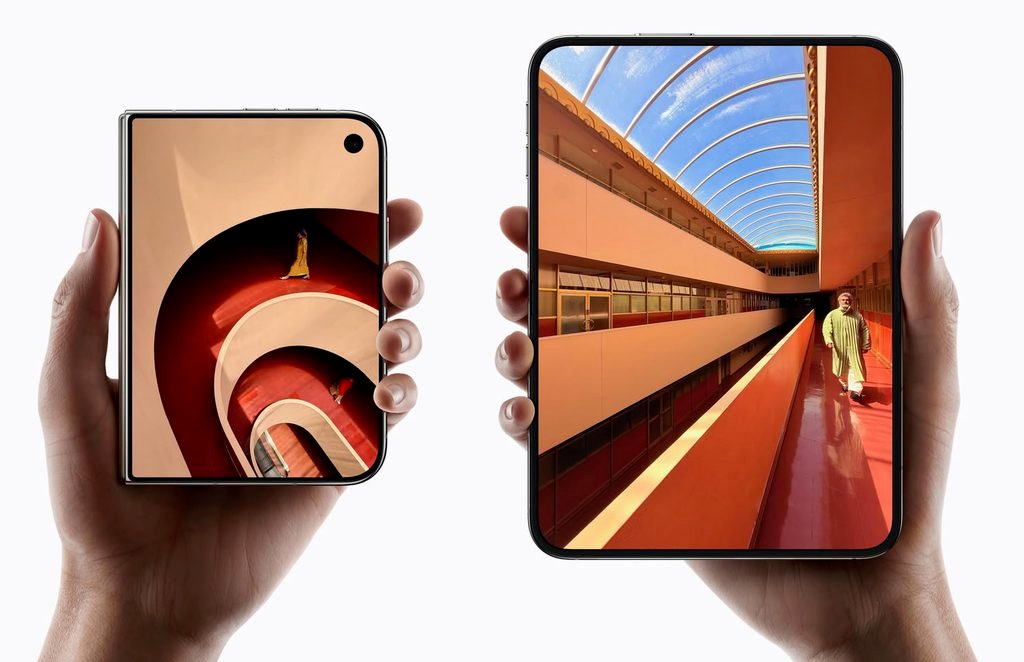
The iPhone Duo is designed around two displays that share the same aspect ratio, allowing content to scale proportionally as users move between the closed and open configurations. When folded, the 5.4-inch Super Retina XDR outer display provides 90 percent of the screen area found on the iPhone 18 Pro. Open the device and the inner 7.6-inch Super Retina XDR display becomes the main attraction, offering 50 percent more screen area than the iPhone 18 Pro Max.
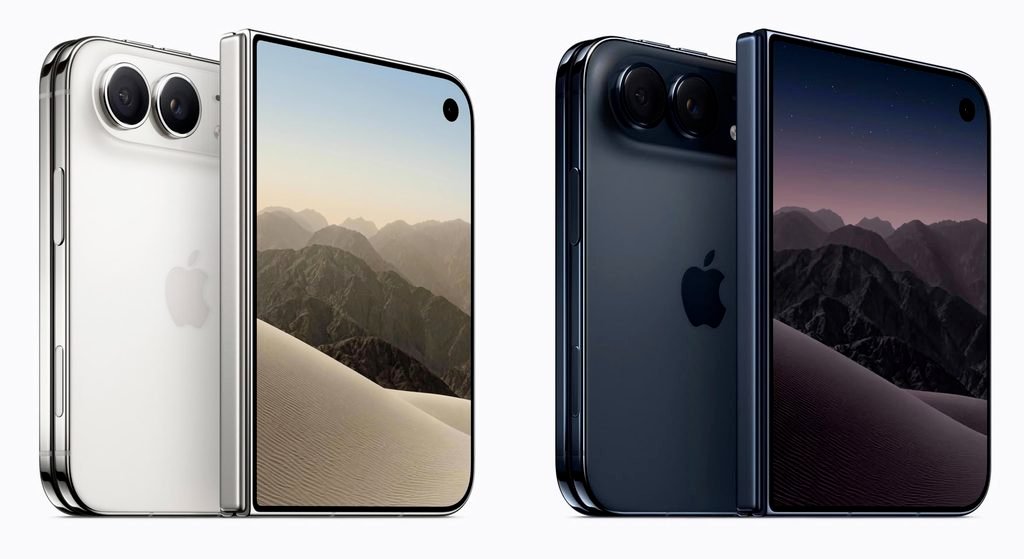
Both panels support ProMotion, Always On functionality, and up to 3,000 nits of peak outdoor brightness. Apple has also applied a nano-texture finish to the inner screen to reduce reflections and glare. The company says the surface is designed to minimize the visibility of the fold while providing a different feel under the finger compared with conventional smartphone glass.
Apple is also taking the durability of the foldable seriously. The iPhone Duo uses Grade 5 titanium for its enclosure, along with Ceramic Shield protection and an IP68 rating for water and dust resistance. The hinge itself contains more than 100 components and has been engineered to control the opening and closing movement while providing support underneath the center of the flexible display.
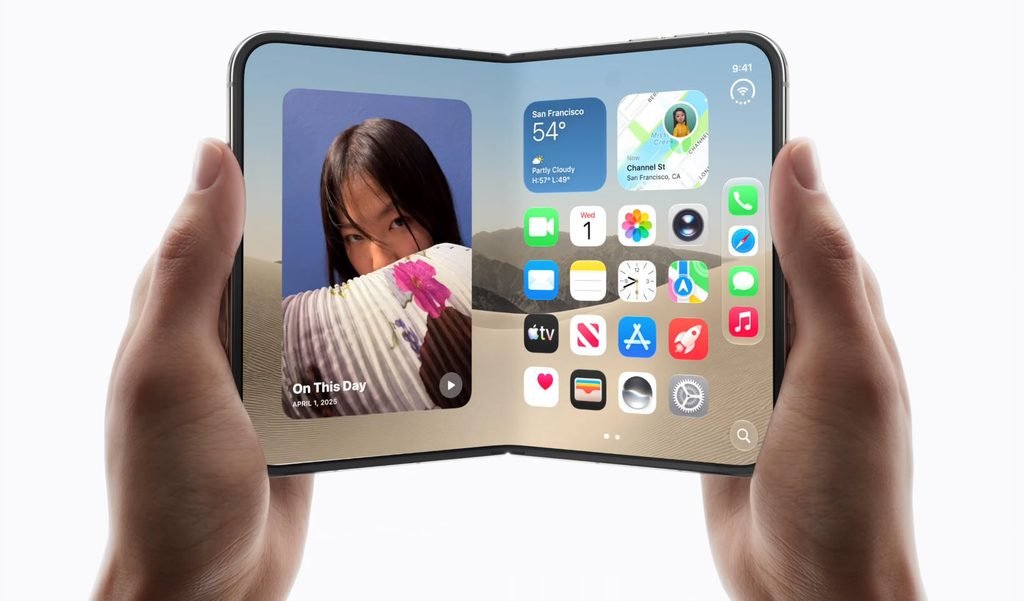
The inner panel uses several layers to handle the repeated movement associated with folding. Apple says the display includes a scratch-resistant coating, a custom polymer cover layer with up to 40 percent higher stiffness than other materials used in the industry, high-strength glass layers, custom adhesives, and a titanium plate underneath. Internal support ribs and ceramic fiber inserts around the antenna splits are also used to increase the rigidity of the chassis.
Under the hood, the iPhone Duo uses Apple’s new A20 Pro chip. The processor features a 6-core CPU, a 7-core GPU, and dual 16-core Neural Engines designed to handle demanding workloads, gaming, and on-device AI. Apple claims the CPU is up to 20 percent faster than the A19 Pro, while the GPU is up to 40 percent faster and more power efficient. A20 Pro also provides 50 percent more unified memory bandwidth and is built using a 2nm manufacturing process.
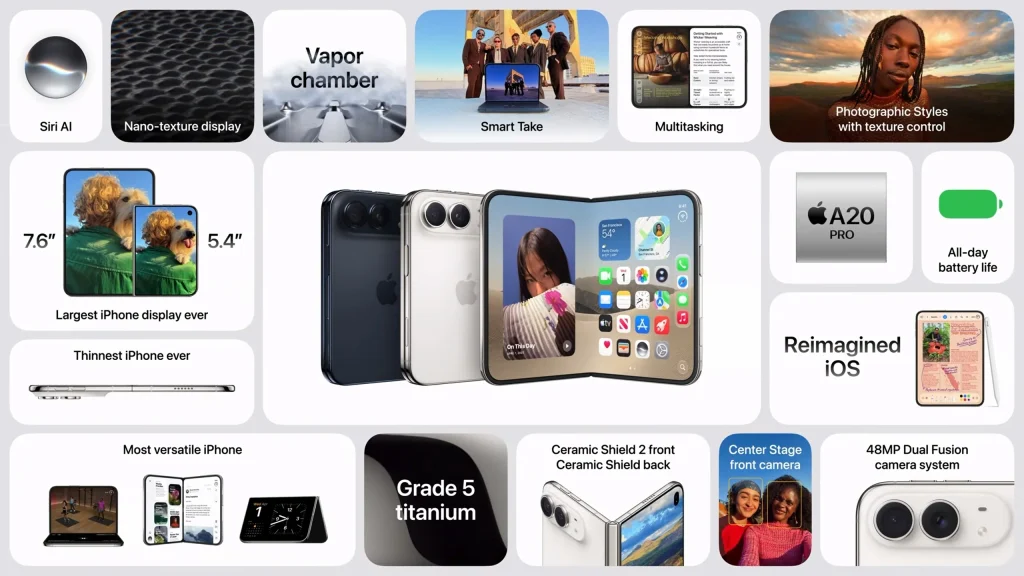
Keeping that performance running for longer is a new thermal system. Apple has connected the A20 Pro package directly to a custom vapor chamber, allowing heat to spread away from the processor during demanding workloads. According to Apple, the iPhone Duo can deliver up to 35 percent better sustained performance than the iPhone 17 Pro. This could be particularly important for gaming, where the larger internal display and longer sessions can place more sustained pressure on the hardware.
Battery capacity is split between two cells, with one battery located on each side of the foldable chassis. Apple’s silicon and power-management algorithms allow the two batteries to work together as a single system. The company claims up to 31 hours of video playback using the inner display, up to 44 hours using the outer display, and up to 24 hours of usage when both displays are used equally.
Charging is also reasonably quick, with Apple claiming a 50 percent charge in around 20 minutes using wired charging. MagSafe and Qi2 wireless charging can reach 50 percent in around 30 minutes.



The camera system is another area where Apple is using the foldable form factor to introduce new shooting modes. The main camera is a 48MP Fusion sensor capable of capturing images at up to 48MP, while 24MP is used as the default setting. The camera also provides optical-quality 2x Telephoto capability, along with sensor-shift optical image stabilization.
A 48MP Fusion Ultra Wide camera handles wider photographs and macro shots, while a Center Stage front camera can automatically frame photos and videos regardless of the phone’s orientation. Apple is also bringing updated Photographic Styles with additional controls for texture and grain.
The foldable design enables several camera features that aren’t available on a conventional iPhone. With Smart Take, on-device AI models running on the A20 Pro can analyze a scene and automatically capture a photo when subjects are ready. Users can also use the rear cameras for selfies while checking the composition through the outer display.
Duo Preview gives subjects a live view of the camera feed on the external screen, making it easier to adjust positioning before a picture is taken. Kid Cue can display Peanuts animations on the outer display to help get children’s attention, while Duo FaceTime allows people standing in front of the phone to participate in a call using the external screen.
For video recording, the 48MP Fusion Main camera supports 4K video at 120 FPS with Dolby Vision. Apple is also allowing users to apply Cinematic effects after recording at up to 60 FPS. The updated Audio Mix system uses new algorithms to improve voices and isolate music, while Time-lapse recording supports 4K Dolby Vision HDR.
iOS 27 has been redesigned around the additional screen space. Apple has moved several controls and navigation elements toward the sides of the interface, allowing more vertical space to be used for apps and content. When the phone is open, users can see two Home Screen pages alongside Today View widgets.
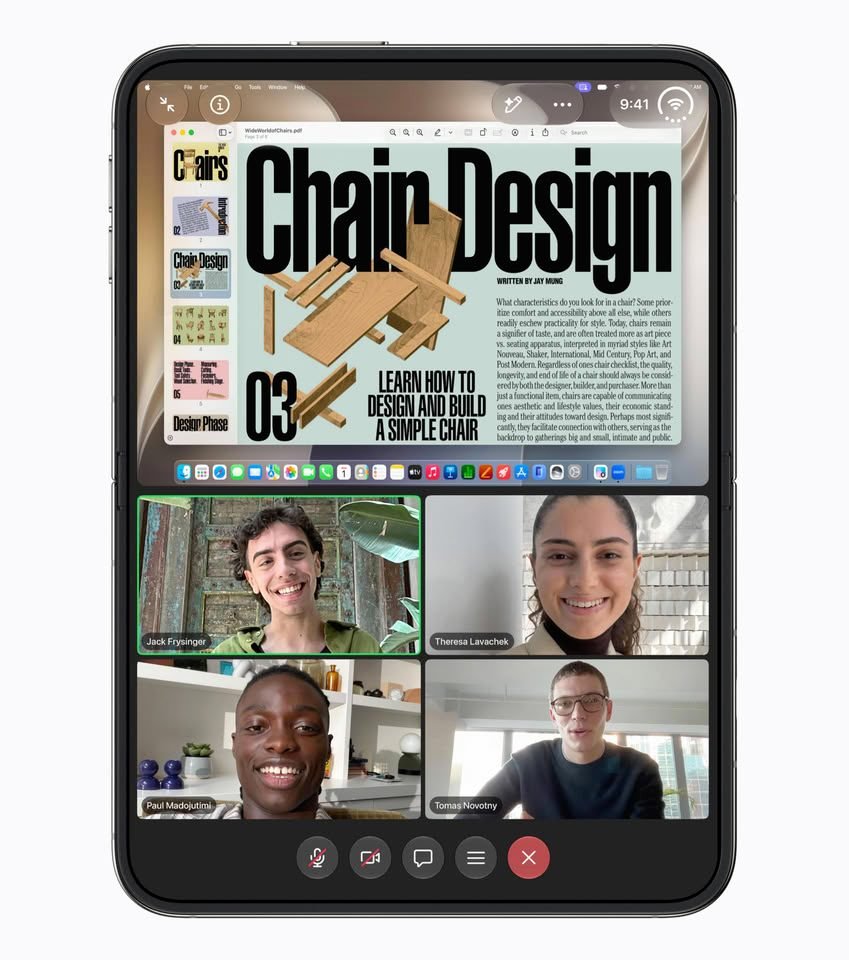
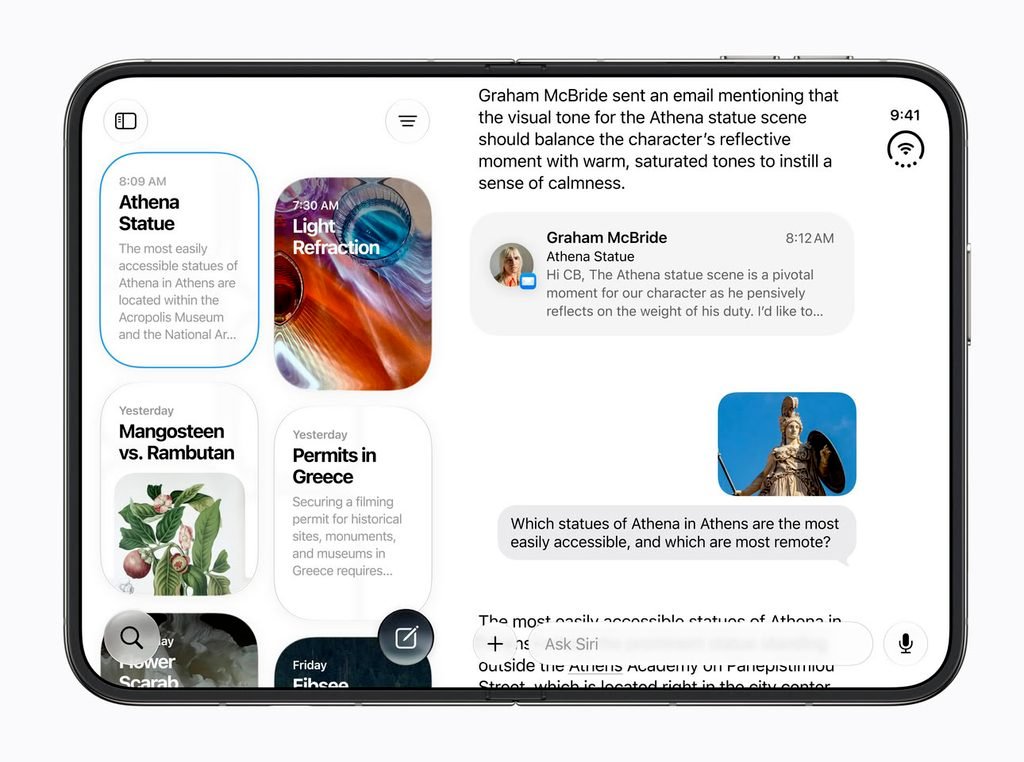
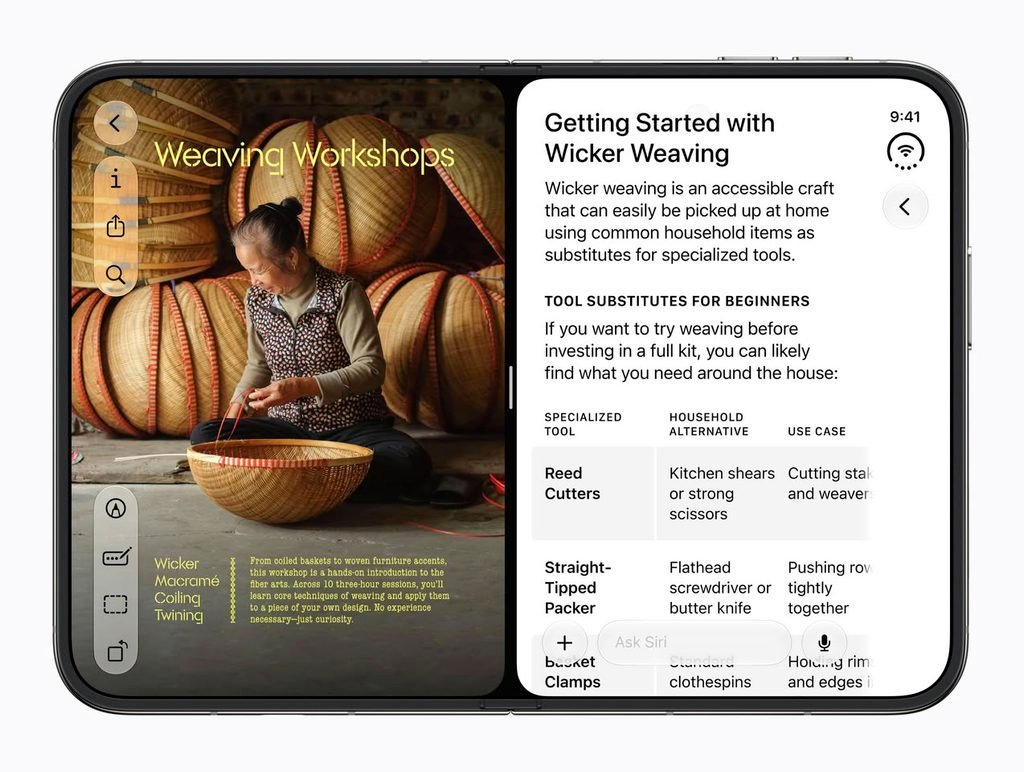
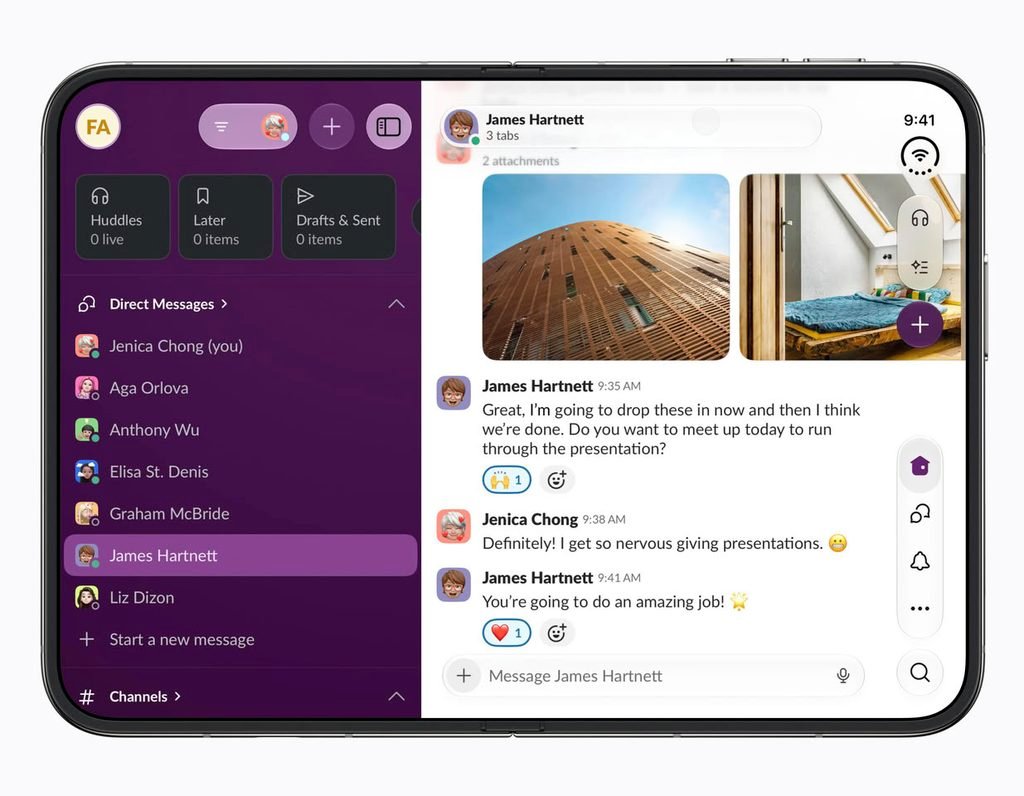
Multitasking is arguably one of the biggest software advantages of the new form factor. Split View allows two apps to run side by side, while users can open two windows from the same application, such as Safari. iOS 27 also allows users to save pairs of apps for quick access later. Siri can be used alongside other content, making it possible to have a conversation with the assistant while keeping another app visible.
StandBy has also been redesigned for the iPhone Duo. The phone can enter StandBy mode on either display even when it isn’t charging, turning the device into a clock, photo frame, or widget hub. Apple is adding new Calendar and Weather faces while expanding customization options for existing Clock and Modular faces.
Apple Intelligence is another major part of the iPhone Duo experience. The company is introducing a new Siri AI experience as a beta feature with iOS 27. Siri can use personal context from messages, emails, photos, and other supported information, while onscreen awareness allows it to understand what users are currently viewing and take actions based on that content.
Apple is also expanding its AI tools with features such as Spatial Reframing, Extend, and an improved Clean Up tool. Image Playground now supports photorealistic imagery, while Safari’s Notify Me feature can monitor webpages for changes such as product restocks or price drops. Apple says its AI processing uses on-device computation and Private Cloud Compute to maintain its privacy approach.
The iPhone Duo will be available in Star White and Night Sky, with storage options ranging from 256GB to 2TB. Pricing starts at $1,999 in the U.S., making it considerably more expensive than Apple’s conventional flagship iPhones.
Pre-orders begin at 5 a.m. PT on October 16, with the iPhone Duo arriving on October 23 in more than 70 countries and regions, including the UK, U.S., Germany, India, UAE, China, Japan, Australia, and several other major markets. Additional markets will receive the device beginning October 30.
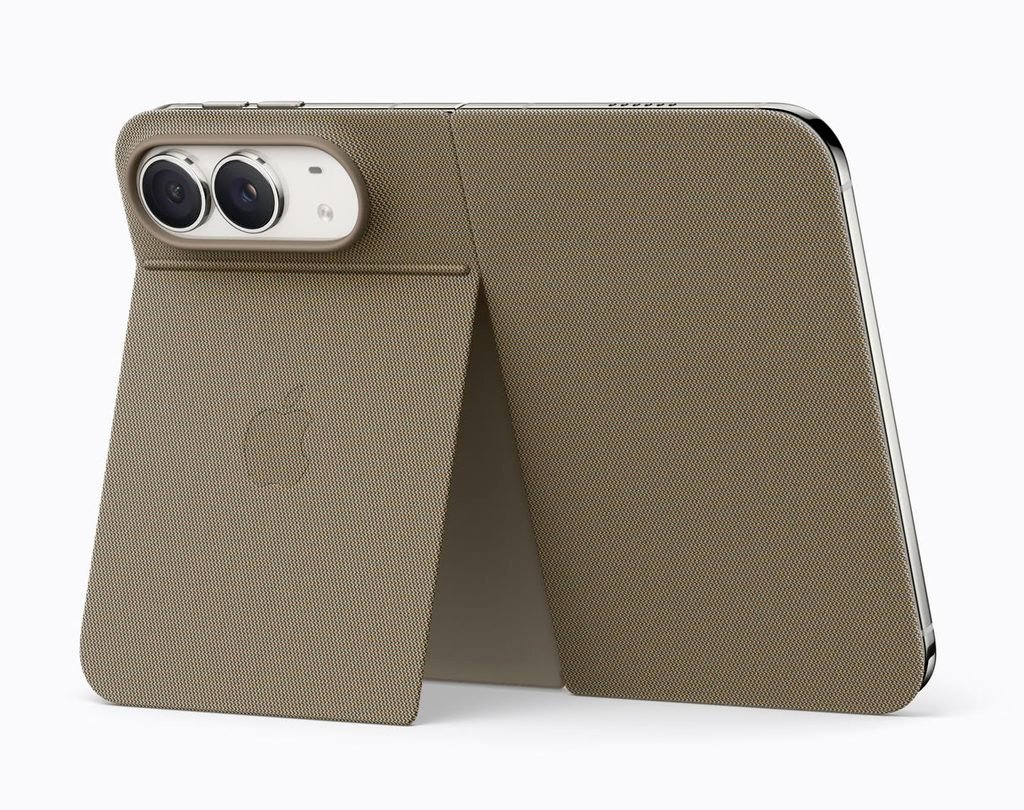
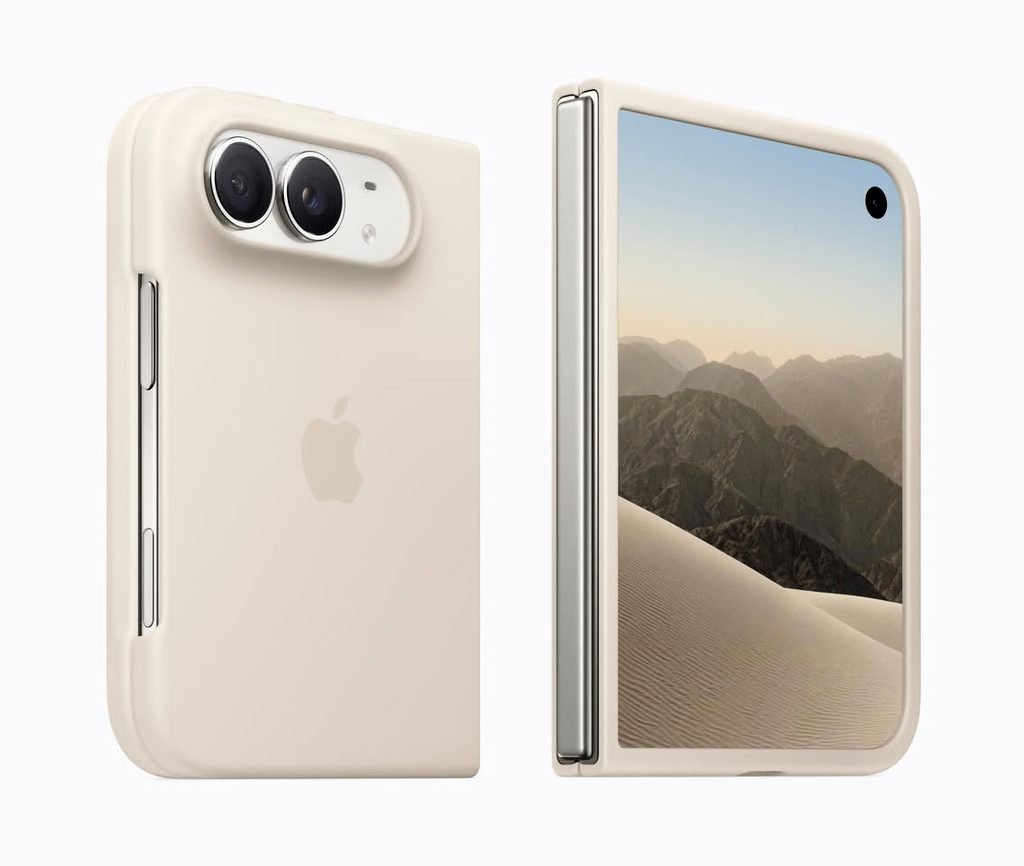
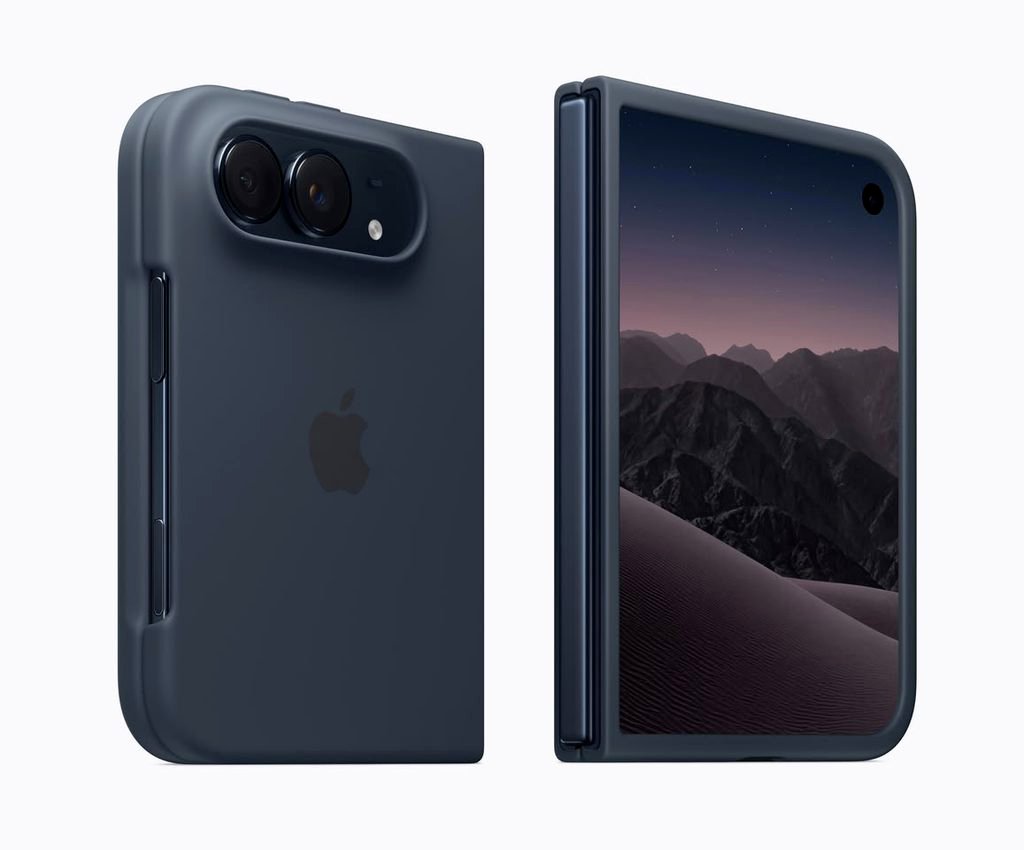
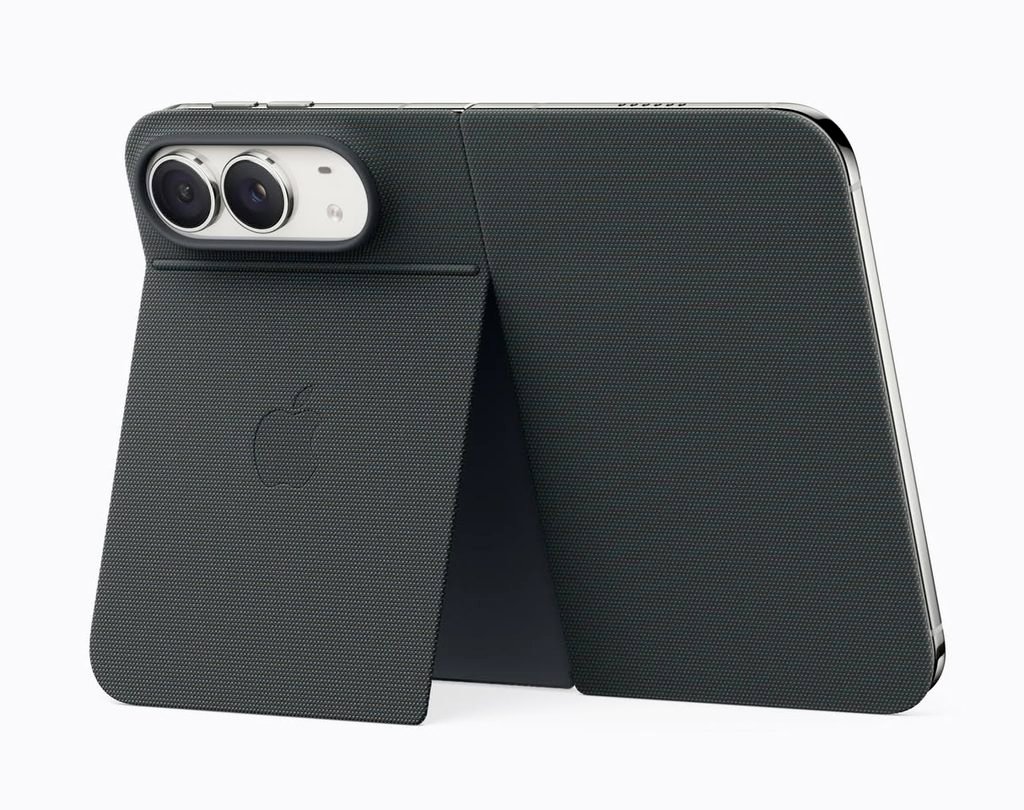
Apple is also launching two dedicated accessories. The iPhone Duo Case costs $79 and comes in Navy Blue and Sand, while the iPhone Duo Folio with Kickstand costs $129 and is available in Navy Blue and Taupe. Both accessories support MagSafe and Qi2 25W charging.
With the iPhone Duo, Apple is entering a category that has already been shaped by several generations of foldable phones from competing manufacturers. Rather than simply adding a folding screen to the existing iPhone formula, Apple is combining the new hardware with changes to iOS, camera controls, multitasking, battery design, thermal management, and Apple Intelligence. The $1,999 starting price puts it firmly in the premium segment, but the larger display and fold-specific features give Apple a new way to position the iPhone for users who want more screen space without carrying a tablet.
Apple iPhone Duo Specifications
| Specification | iPhone Duo |
|---|---|
| Form Factor | Foldable smartphone |
| Inner Display | 7.6-inch Super Retina XDR |
| Outer Display | 5.4-inch Super Retina XDR |
| Refresh Rate | ProMotion |
| Peak Brightness | Up to 3,000 nits |
| Display Features | Always-On, nano-texture finish |
| Processor | Apple A20 Pro |
| CPU | 6-core |
| GPU | 7-core |
| Neural Engine | Dual 16-core |
| Process Node | 2nm |
| Main Camera | 48MP Fusion |
| Ultra-Wide Camera | 48MP Fusion |
| Telephoto | Optical-quality 2x |
| Front Camera | Center Stage camera |
| Video Recording | Up to 4K 120 FPS, Dolby Vision |
| Stabilization | Sensor-shift optical image stabilization |
| Battery | Dual-battery architecture |
| Video Playback | Up to 31 hours inner / 44 hours outer display |
| Charging | 50% in around 20 minutes |
| Wireless Charging | MagSafe / Qi2 up to 25W |
| Cellular | 5G, Apple C2 modem |
| Wi-Fi | Wi-Fi 7 |
| Bluetooth | Bluetooth 6 |
| Other Connectivity | Thread |
| SIM | eSIM-only |
| Authentication | Touch ID |
| Water/Dust Resistance | IP68 |
| Build | Grade 5 titanium |
| Protection | Ceramic Shield, Ceramic Shield 2 |
| Storage | 256GB / 512GB / 1TB / 2TB |
| Operating System | iOS 27.1 |
| AI Features | Apple Intelligence, Siri AI |
| Colors | Star White, Night Sky |
| Starting Price | $1,999 |
| Pre-orders | October 16 |
| Availability | October 23 |