DLSS 5 is already making its way into PC games and emulators through unofficial modifications, but the RPCS3 developers have made it clear that they do not want NVIDIA’s latest rendering technology anywhere near the PlayStation 3 emulator. After users began experimenting with a leaked DLSS 5 DLL on RPCS3’s renderer, the development team was asked whether official support could eventually arrive. The answer was not encouraging for anyone hoping to see neural rendering become part of the emulator.
The RPCS3 team confirmed that some users are already testing the leaked DLL with the emulator, but said its developers had seen the resulting output and had no interest in shipping the technology themselves. In a post on X, the team criticized the industry’s growing reliance on upscaling and frame-generation technologies, arguing that they can sometimes be used to cover performance and optimization problems.
“Whilst the gaming industry pushes more upscalers and frame generation to hallucinate games and hide their lack of optimization, we do not ship any of that slop.”
The comment quickly sparked discussion because RPCS3 already supports AMD FSR. That makes it clear that the developers are not rejecting image upscaling altogether. The distinction appears to be related to newer forms of neural and generative rendering, particularly technology capable of producing visual information that was not directly rendered by the original game.
The situation is also interesting because DLSS 5 is already being tested outside RPCS3. Modders have reportedly brought the leaked DLL to PCSX2 and several PC games, with results differing from one title to another.
- RPCS3 developers do not plan to officially support DLSS 5.
- Some users have already tested a leaked DLSS 5 DLL with RPCS3.
- The leaked DLL reportedly originated from an early NBA 2K27 build.
- Modders are also experimenting with DLSS 5 on PCSX2 and PC games.
- RPCS3’s developers continue to prioritize emulation and game preservation.
The leaked DLSS 5 files reportedly came from an early build of NBA 2K27, giving modders access to technology that was not intended to be available publicly at this stage. Since then, enthusiasts have been testing different ways of integrating it into existing games and emulators.
For RPCS3, however, the issue goes beyond whether the technology can technically be made to work. The emulator’s development has long centered on preserving and accurately reproducing PlayStation 3 software on modern hardware. Adding a neural rendering system that changes how the original game is reconstructed could conflict with that approach.
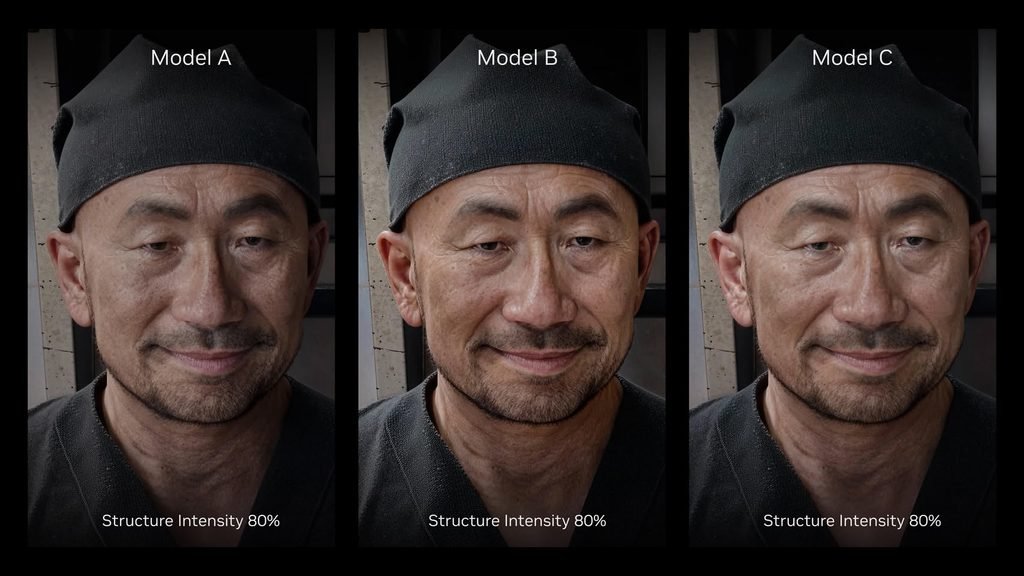
There is also an important difference between using an emulator to improve output resolution and using generative technology to create additional visual information. RPCS3 supporting FSR already demonstrates that image reconstruction has a place in the emulator, but DLSS 5 introduces a different set of questions about how much the final image should be altered.
The developers’ criticism of game optimization is likely to fuel further debate, especially as upscaling and frame generation become increasingly common in PC gaming. Developers can use these technologies to improve performance and image quality, but they do not remove the need for a game to run efficiently at its native rendering settings.
For now, RPCS3 users should not expect an official DLSS 5 option. While community members can continue experimenting with leaked files and unofficial modifications, the RPCS3 team appears committed to keeping its development centered on emulation rather than adding generative rendering features.