Finalmouse has officially launched the Starlight X Gaming Mouse, introducing a redesigned chassis, new switch technology, and a lighter carbon fiber composite construction aimed at competitive FPS gamers. After weeks of previews, the company’s latest release arrives as its first completely new mouse shape in 11 years.
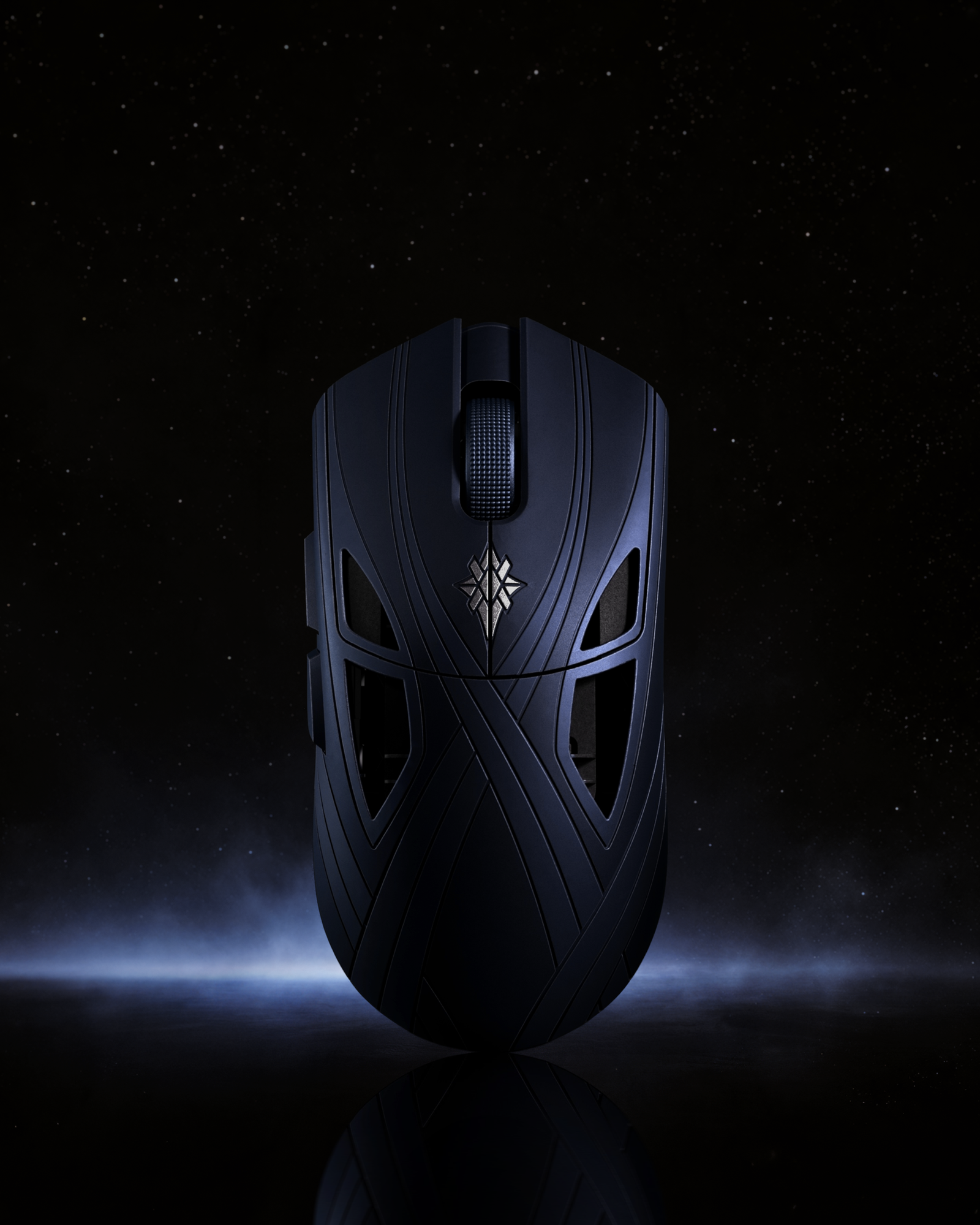
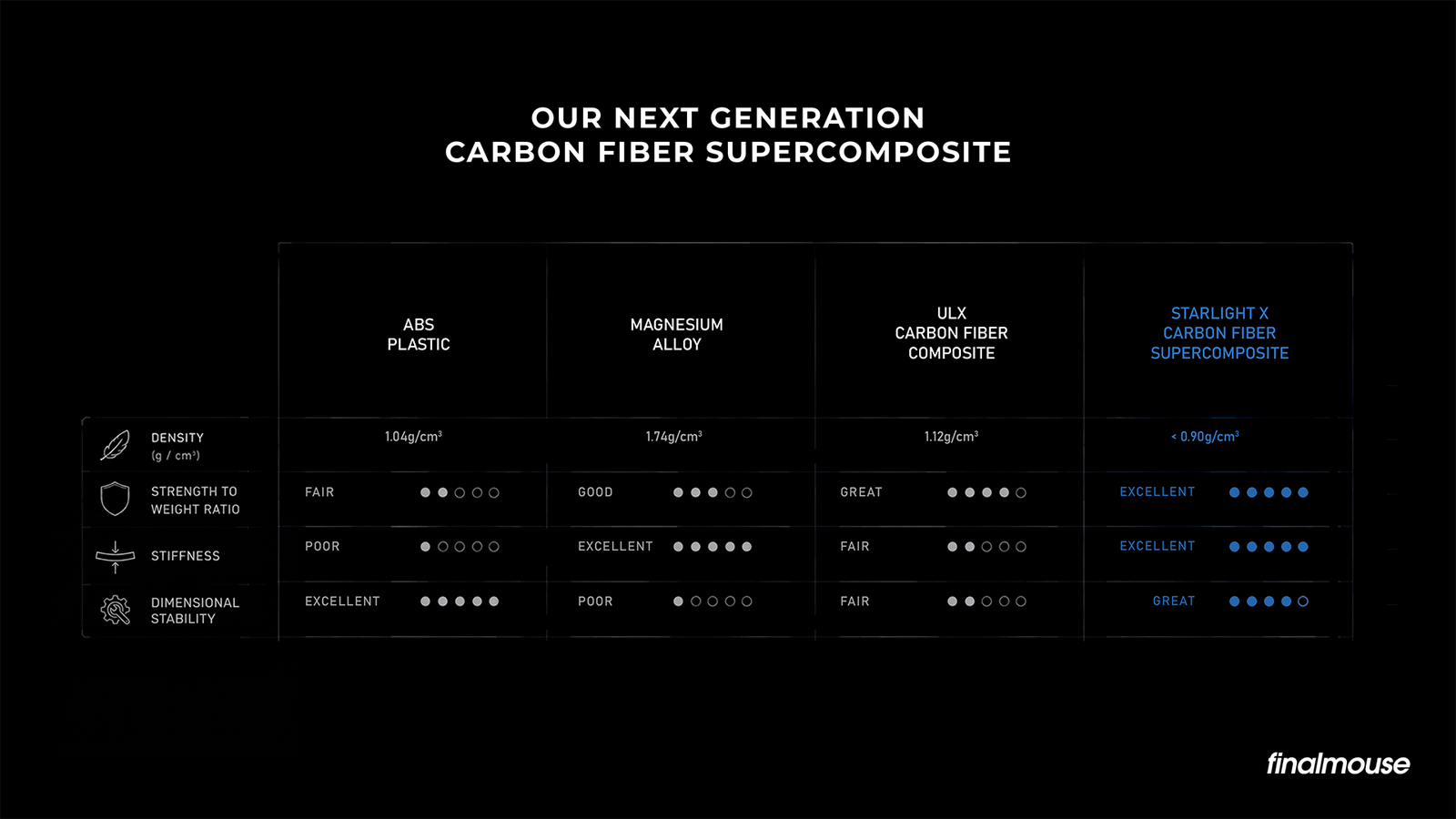
The Finalmouse Starlight X, also known as the SLX, carries a symmetrical layout with a fuller rear hump designed to improve hand support and reduce pressure during long gaming sessions. Unlike many ultra-lightweight gaming mice that rely heavily on honeycomb cutouts, the Starlight X uses a cleaner shell design with limited perforation while still keeping its weight down to only 38 grams.
The mouse measures 124.8 × 58.9 × 39.5 mm and is currently available in a single color option, SLX Nightfall. Finalmouse says pre-orders will open on May 30 through its online store, with a retail price set at $179. Early access buyers with invitation codes can place their orders ahead of the general sale.
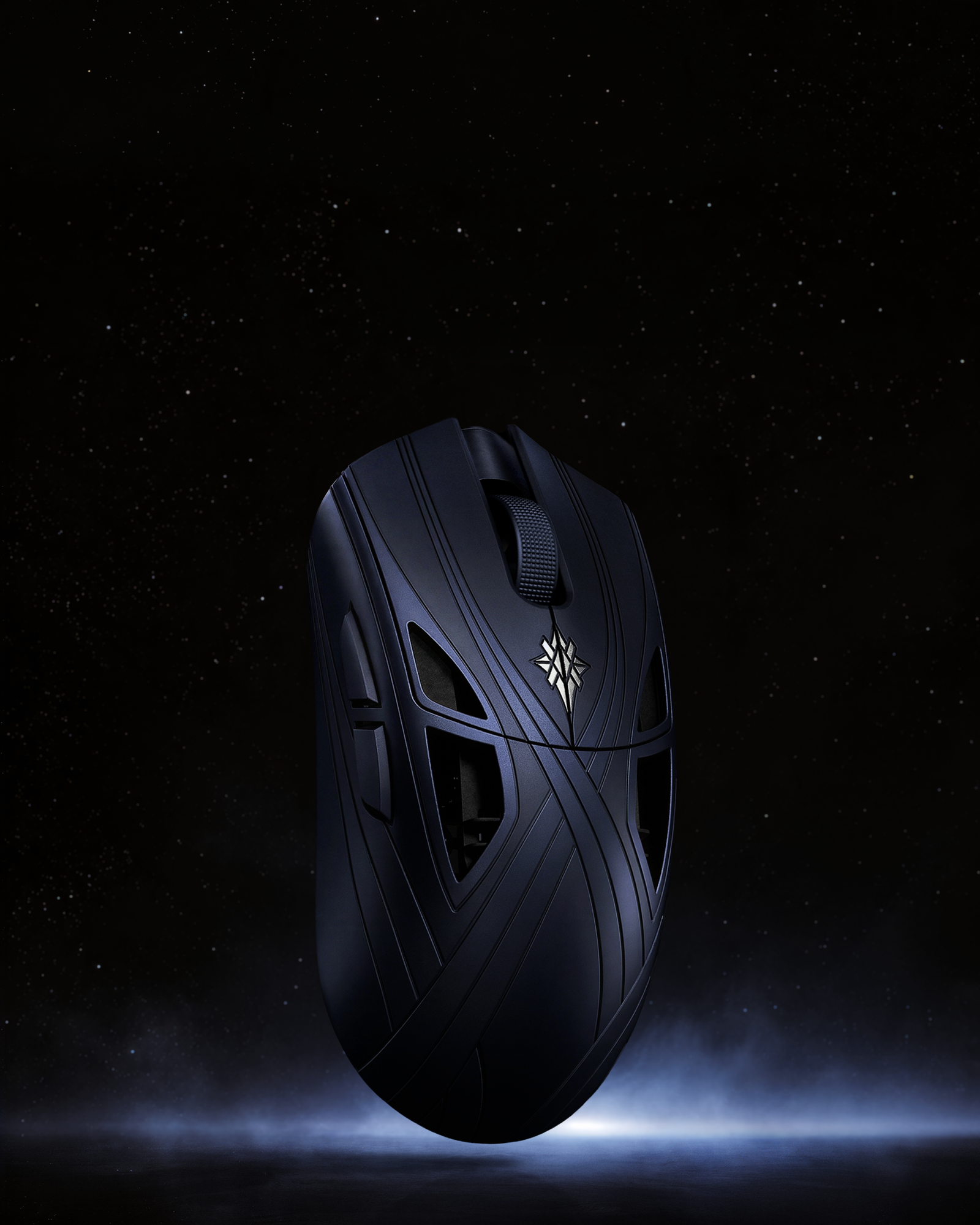
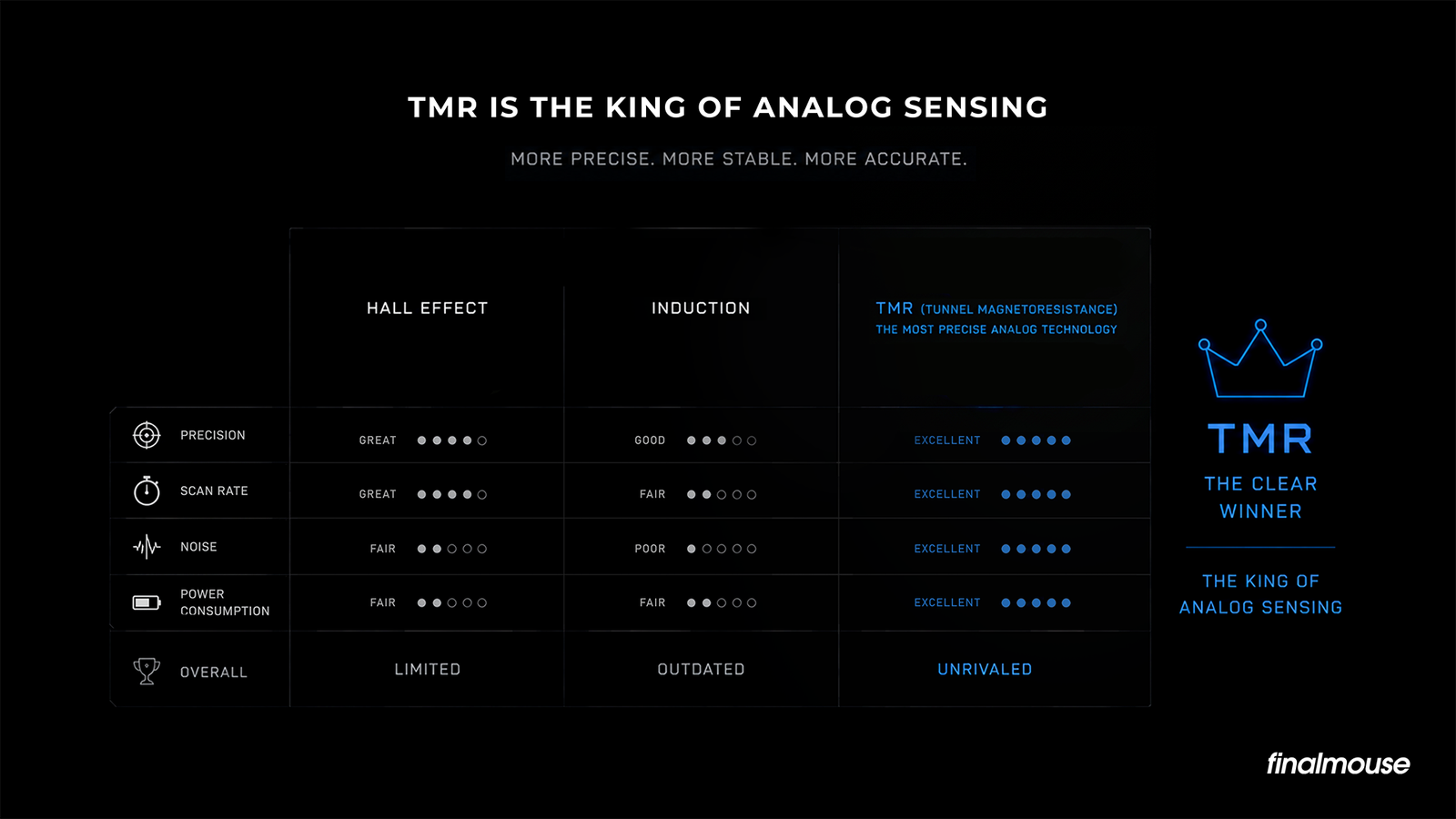
The Starlight X also introduces TMR sensing technology, bringing analog-inspired functionality to a gaming mouse with features often associated with gaming keyboards.
Key features of the Finalmouse Starlight X include:
- 38 g carbon fiber composite construction
- First new Finalmouse mouse shape in 11 years
- Symmetrical design with a fuller rear hump
- TMR Dual-State switch system with mechanical click feedback
- Support for rapid trigger and adjustable actuation settings
- Custom Finalmouse F1 sensor developed with PixArt
- Nordic nRF54LM20 microcontroller
- Claimed 223 µs end-to-end latency
- SLX Nightfall launch edition priced at $179
Instead of using a fully electronic switch mechanism, Finalmouse developed what it calls the TMR Dual-State system. The setup combines TMR sensing with traditional mechanical click feedback. According to the company, this adds only 0.24 grams to the mouse’s overall weight. The tradeoff is that users cannot adjust the tactile click feel.
Finalmouse also compared its approach with Logitech’s analog-click implementation used in the G Pro X2 Superstrike, claiming that its own design avoids additional complexity and added weight.
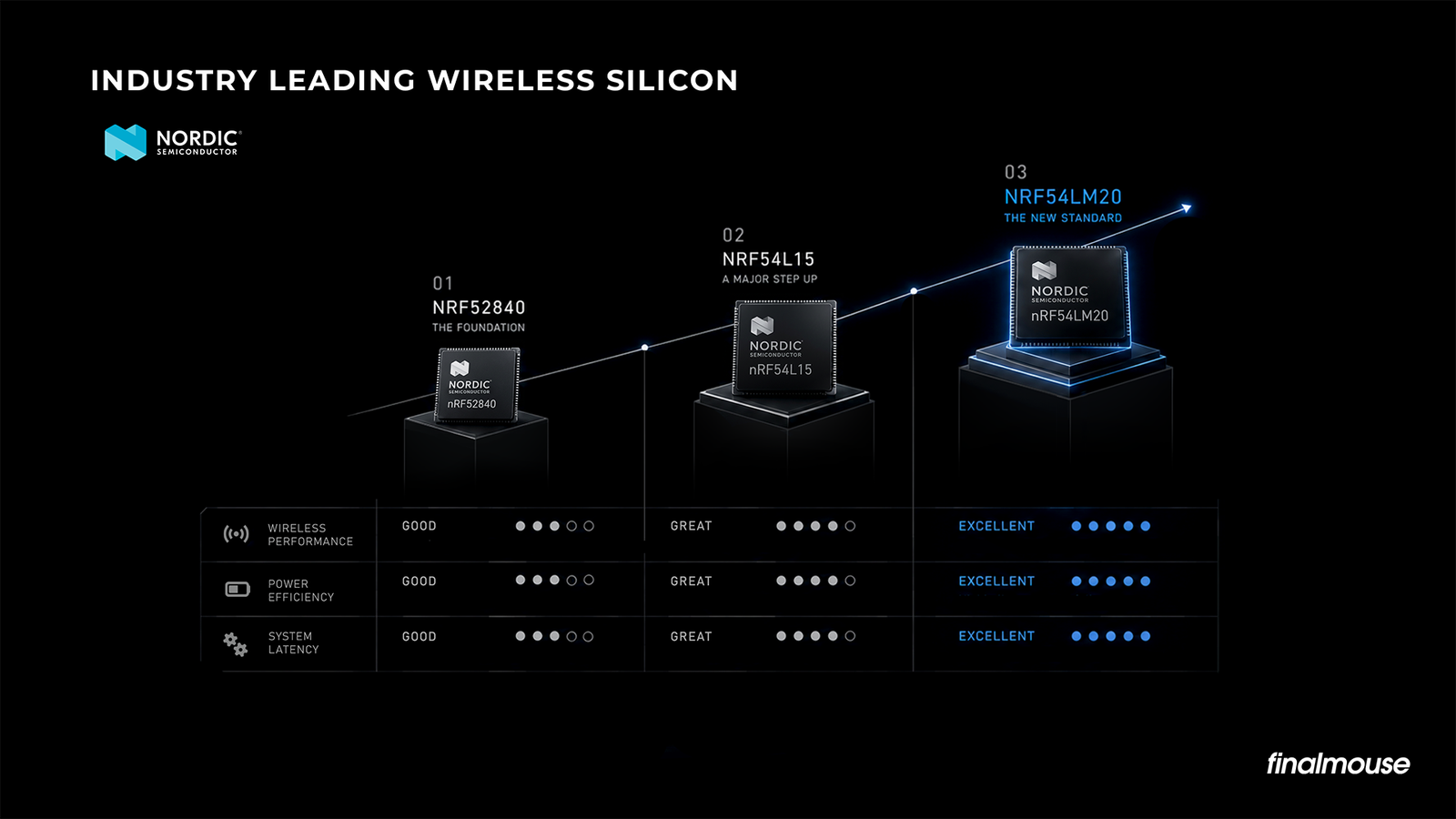
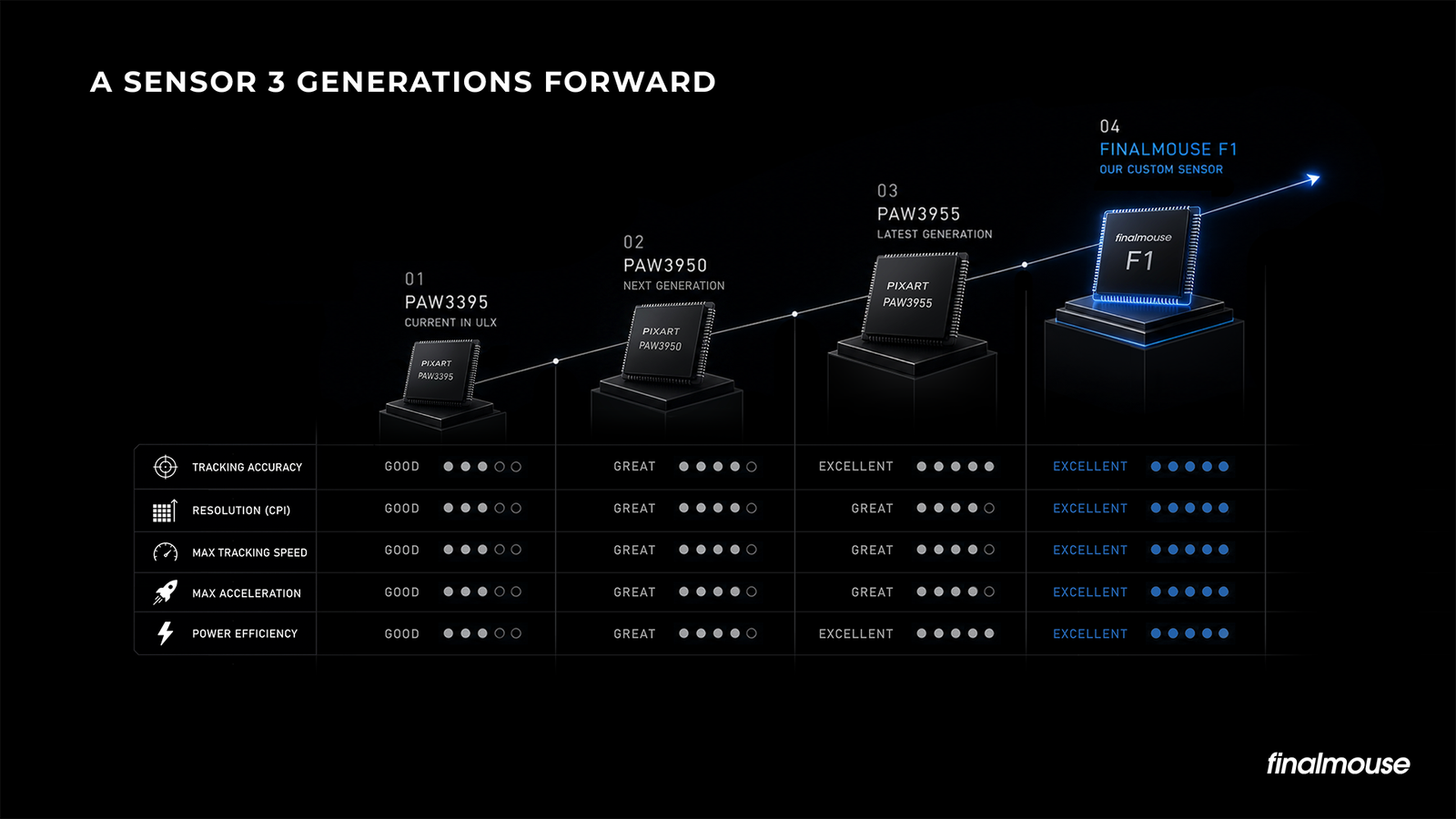
On the hardware side, the Starlight X uses a custom Finalmouse F1 sensor created with PixArt support. While the company has avoided listing conventional sensor specifications such as DPI range or maximum IPS tracking speed, the hardware is believed to be based on the PixArt PAW3955 platform.
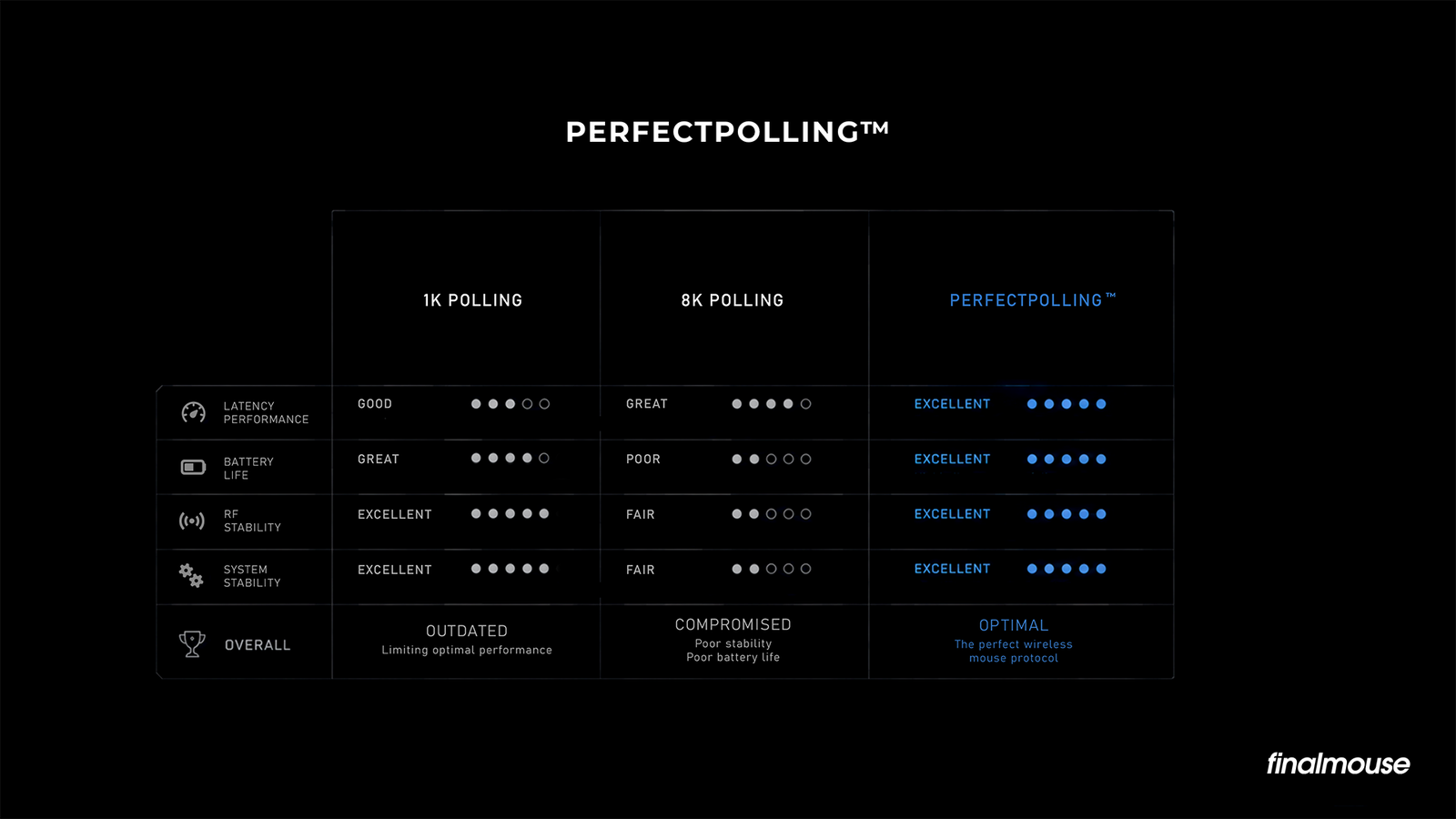
The company is also avoiding traditional polling-rate marketing. Instead, Finalmouse introduces a system called PerfectPolling, which combines subtick optimization, RF scheduling improvements, and faster USB interrupt handling. While no official polling figure has been shared, the published latency numbers appear close to what high-end 8 kHz gaming mice can deliver.
With the Starlight X, Finalmouse is pushing beyond lightweight design alone, focusing on switch behavior, latency tuning, and a shape update that has been absent from its lineup for more than a decade.