KTC is continuing to strengthen its presence in the Mini-LED monitor market as the technology becomes more affordable for mainstream consumers. The company is expanding its portfolio with new Mini-LED display solutions aimed at gamers, office users, entertainment enthusiasts, and content creators, while also focusing on reducing production costs through its own display technologies.
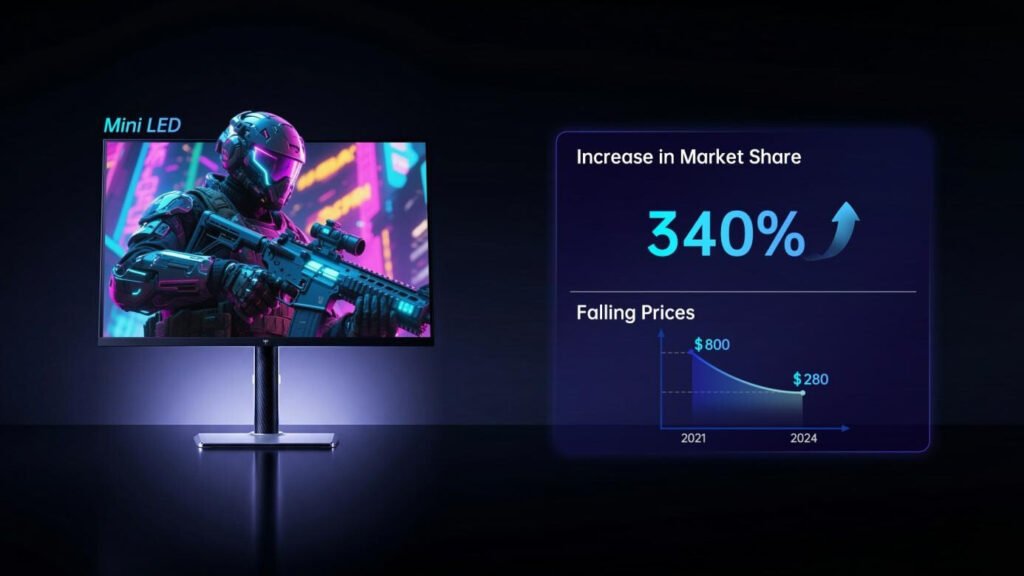
According to public reports from TrendForce, global Mini-LED monitor shipments have increased by 340% in recent years, showing strong momentum in the display industry. What was previously considered a premium product category is now entering the mid-range market, mainly due to lower manufacturing costs and rising competition among monitor brands.
The Mini-LED monitor segment has seen major pricing changes since 2021. At the time, most Mini-LED displays were priced above $800, placing them out of reach for many users. By 2024, average prices reportedly dropped to around $280 to $430, while some entry-level models are now available below the $300 mark. This price reduction has allowed more users to access features previously limited to high-end displays, including advanced HDR support, high peak brightness, and improved local dimming performance.

Mini-LED technology is increasingly being viewed as a middle ground between traditional IPS panels and OLED displays. Compared to standard IPS monitors, Mini-LED offers significantly higher brightness levels and better contrast control through local dimming zones. This makes the technology more suitable for HDR gaming, video streaming, and professional workloads that require better image depth and lighting accuracy.
Compared to OLED, Mini-LED also carries an important advantage in long-term reliability. Since Mini-LED panels do not face burn-in risks commonly associated with OLED displays, they are becoming attractive for users who spend long hours gaming or working with static interface elements on-screen. This includes office workloads, esports titles, editing software, and productivity applications where the same visual elements may remain displayed for extended periods.
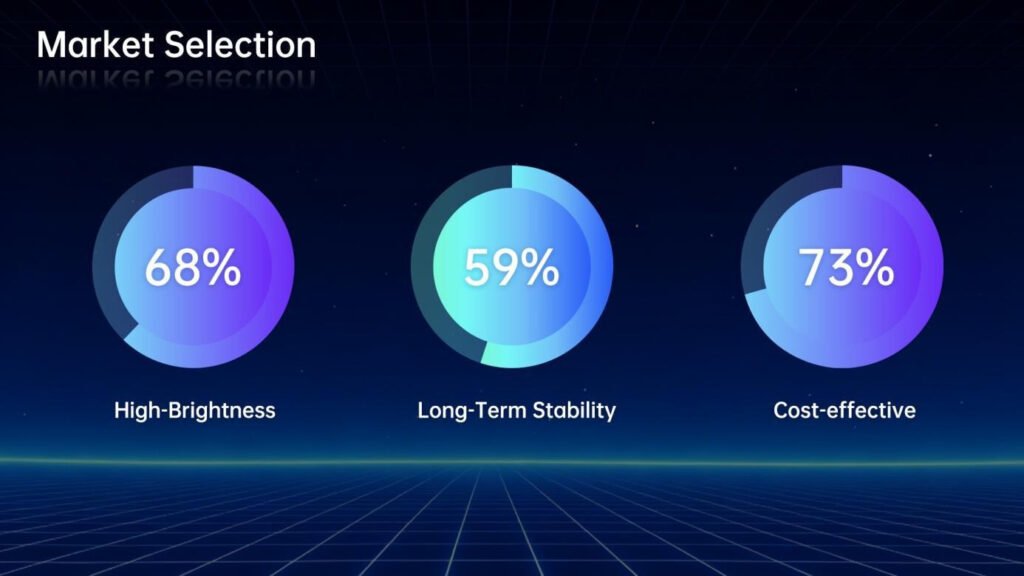
Industry research further highlights changing consumer priorities in the monitor market. Reports indicate that 68% of users consider high brightness important for HDR content and gaming, especially in bright room environments. Another 59% reportedly value burn-in-free operation for long-term usage, while 73% believe current Mini-LED pricing delivers a balance between image quality and affordability compared to OLED alternatives.
KTC is positioning itself as one of the companies pushing Mini-LED technology into the mainstream market through its own COB, or Chip-on-Board, backlight technology. The company states that its one-light-one-zone ultra-thin backlight design supports up to 2,304 local dimming zones while delivering peak brightness levels exceeding 1,400 nits.
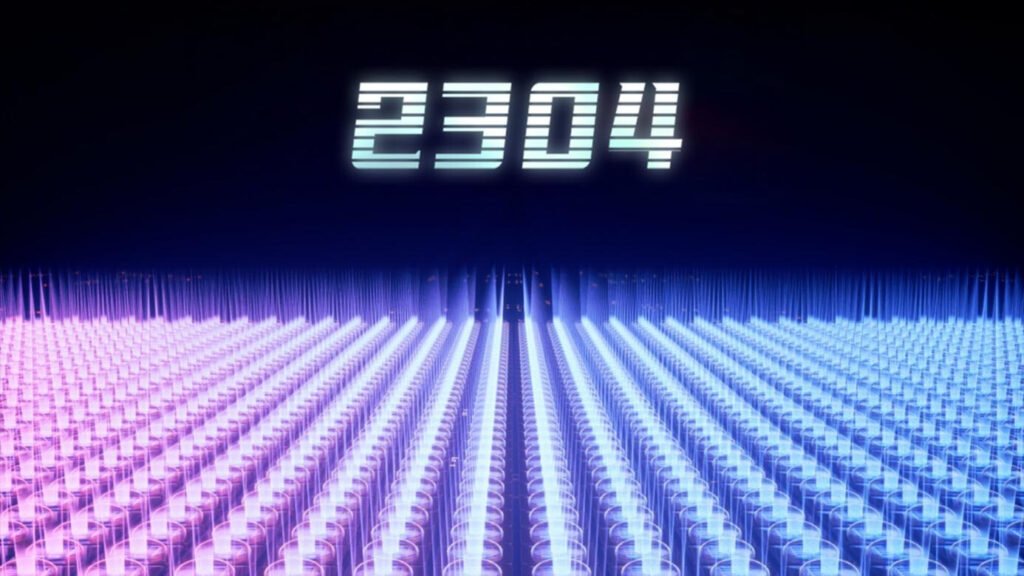
Higher dimming zone counts allow for more precise backlight control, helping improve contrast performance, darker black levels, and better image layering during HDR playback and gaming scenarios. KTC also claims that its optimized optical structure and dimming algorithms help reduce blooming effects, which remain one of the common challenges in local dimming displays.
The company says its Mini-LED monitors are designed to maintain strong visual performance even under bright lighting conditions, making them suitable for both gaming and professional use cases. By combining high brightness, local dimming precision, and lower production costs, KTC is targeting consumers looking for premium display performance without entering flagship pricing categories.
TrendForce expects Mini-LED monitor shipments to continue growing over the next few years as more manufacturers adopt the technology and production costs continue to decline. The display industry is expected to see stronger competition in the mid-range monitor segment, where Mini-LED is gradually becoming a preferred option for users seeking higher-end image quality without moving to OLED pricing levels.