Gaming input devices have traditionally been divided between two groups: players who prefer a mouse and keyboard setup and those who rely on controllers. Over the past few years, several devices have started to blend those categories, including handheld PCs like the Lenovo Legion Go and hybrid controllers used with systems such as the Nintendo Switch 2. A new startup called Pixelpaw Labs is now exploring another approach with a device known as Phase, a split controller that can also transform into a PC mouse.
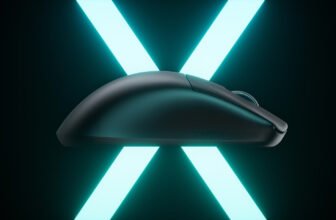
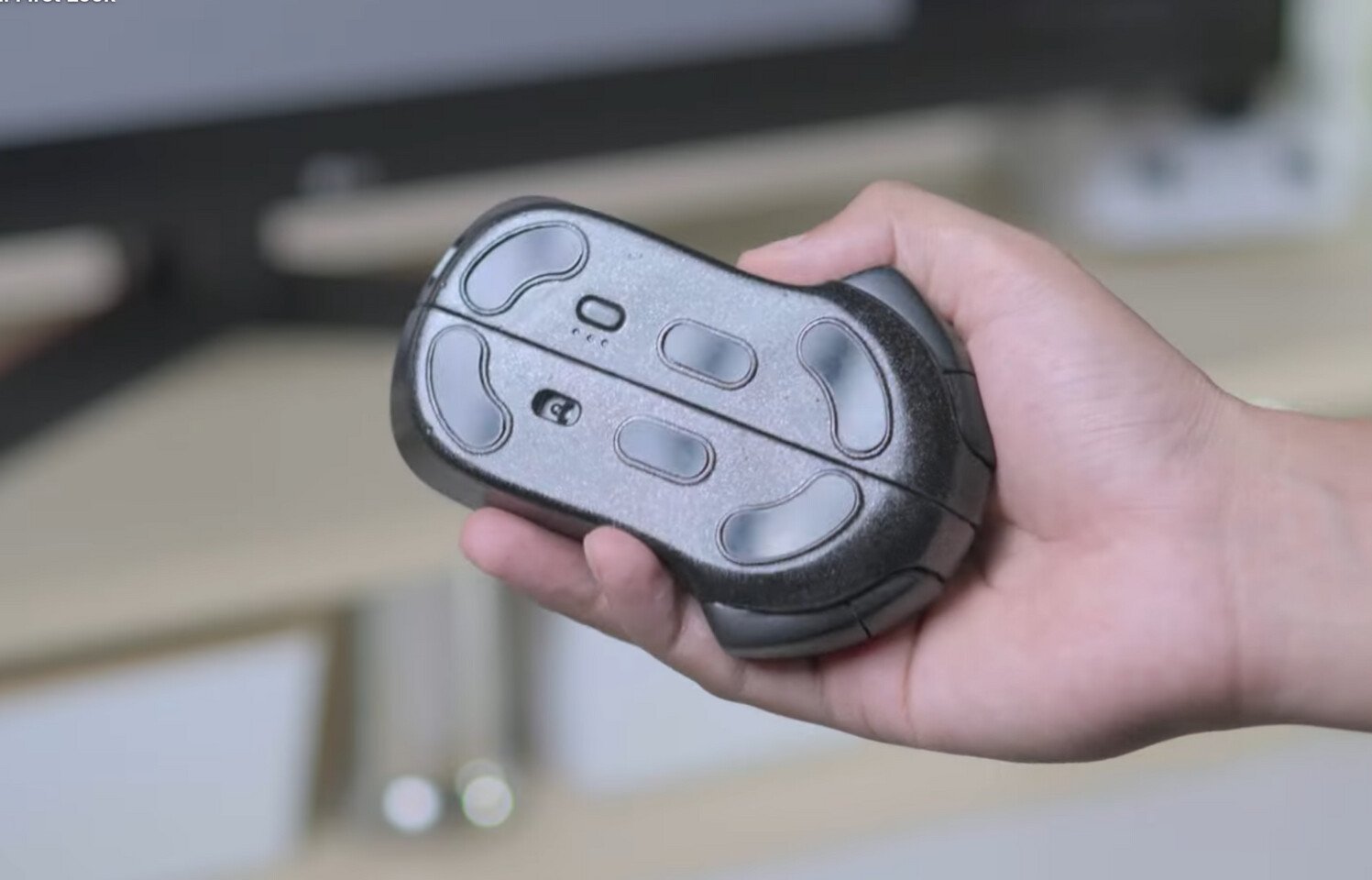
Phase is designed as a two-piece controller that attaches together using magnets and pogo-pin connectors. When the two halves are connected, the device forms a single mouse body that can be used for standard desktop navigation or PC gaming. The concept behind the project is to combine a mobile gamepad, a controller, and a traditional mouse into one portable accessory that can be used for both work and gaming when away from a primary setup.
Pixelpaw Labs plans to launch Phase through a Kickstarter campaign. The company has opened a refundable $20 pre-launch deposit program that reserves a 15 percent discount once the campaign begins. According to the current plan, early Kickstarter pricing is expected to start at $159 for the base device, while a bundle including an additional accessory called Phasegrip is expected to launch at $188.


As with many first-time crowdfunding projects, there is some uncertainty surrounding production timelines. Since Phase is the first product from Pixelpaw Labs, potential backers will likely consider the usual risks associated with Kickstarter hardware campaigns. However, the device’s design has already drawn attention due to its attempt to combine multiple input styles into one product.
In mouse mode, Phase connects to a PC either wirelessly or through a USB-C cable. The device features a 16,000 DPI optical sensor, which suggests the use of hardware similar to widely used gaming sensors such as the PixArt PMW 3389 or the PixArt PAW 3335. One notable difference from most gaming mice is the absence of a traditional scroll wheel. Instead, the left click button doubles as a touch-sensitive surface that allows users to scroll by sliding a finger across it.


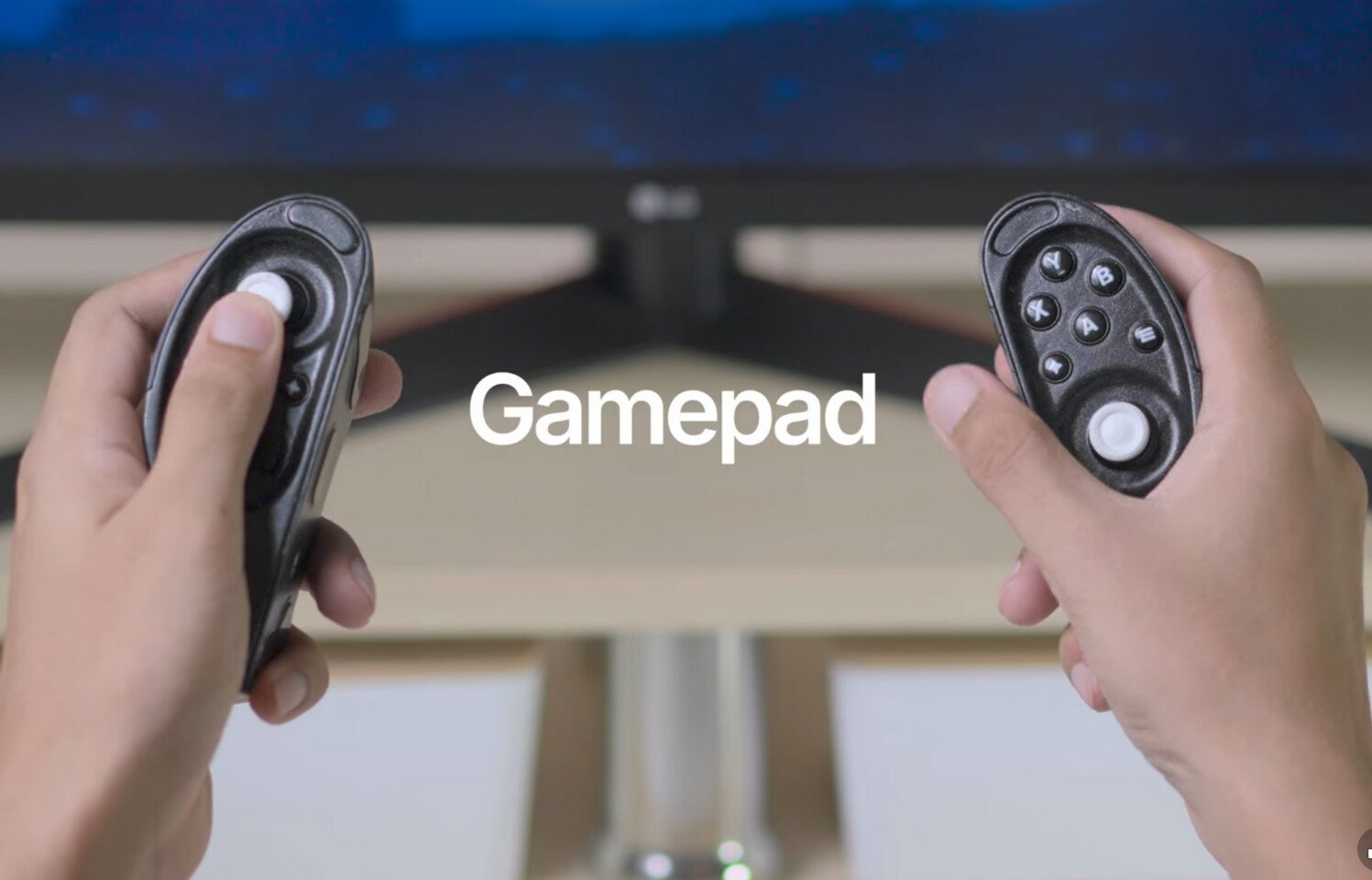
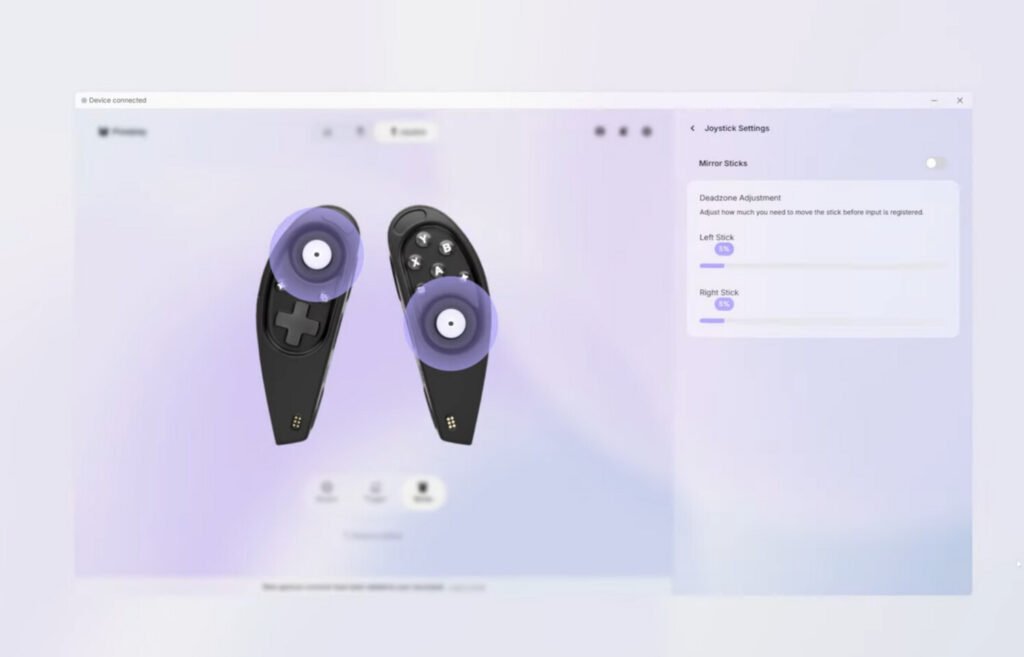
When used in controller mode, each half of the Phase operates as an independent handheld input device. The right controller includes ABXY buttons along with an analog stick, while the left controller features a directional pad and a second analog stick. Both sides include shoulder buttons and triggers, offering a layout that supports modern console-style control schemes. The overall design has been compared to the split motion controller format introduced with the Nintendo Wii Nunchuk, though Phase adds additional buttons and features.
Connectivity options include both 2.4 GHz wireless with a 1,000 Hz polling rate and Bluetooth support, allowing the device to work across multiple platforms. Pixelpaw Labs also plans to provide customization through dedicated driver software. This software will allow users to remap buttons and use a layer-switching feature, enabling additional commands or system shortcuts without replacing existing controls.
The company is also developing the Phasegrip accessory, which acts as a docking grip for the two controller halves. When attached, the controllers can function as a mobile gaming controller similar to smartphone attachments used for portable gaming. This approach expands the device’s potential use cases beyond PC gaming to include mobile titles.
While Phase remains in development ahead of its crowdfunding launch, the concept reflects a growing interest in hybrid input devices designed for both productivity and gaming. If the project reaches production, it could add another option to the evolving range of gaming peripherals aimed at users who frequently switch between different input styles.