The global memory market is entering a period of significant pressure as DRAM and SSD prices rise at a pace not seen in years. TeamGroup general manager Gerry Chen has confirmed that December contract pricing for major DRAM categories has climbed by 80% to 100%. He noted that this surge marks the beginning of a multiyear memory upcycle, with the most visible impact expected in the first half of 2026. Distributors are still drawing from their remaining stocks, but once these reserves shrink, system makers will face higher component costs across the board.
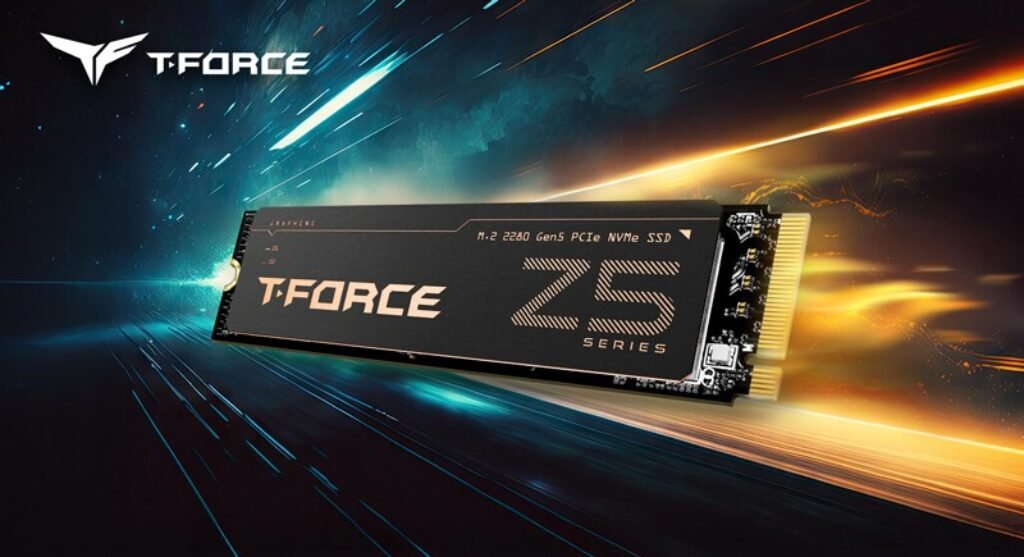
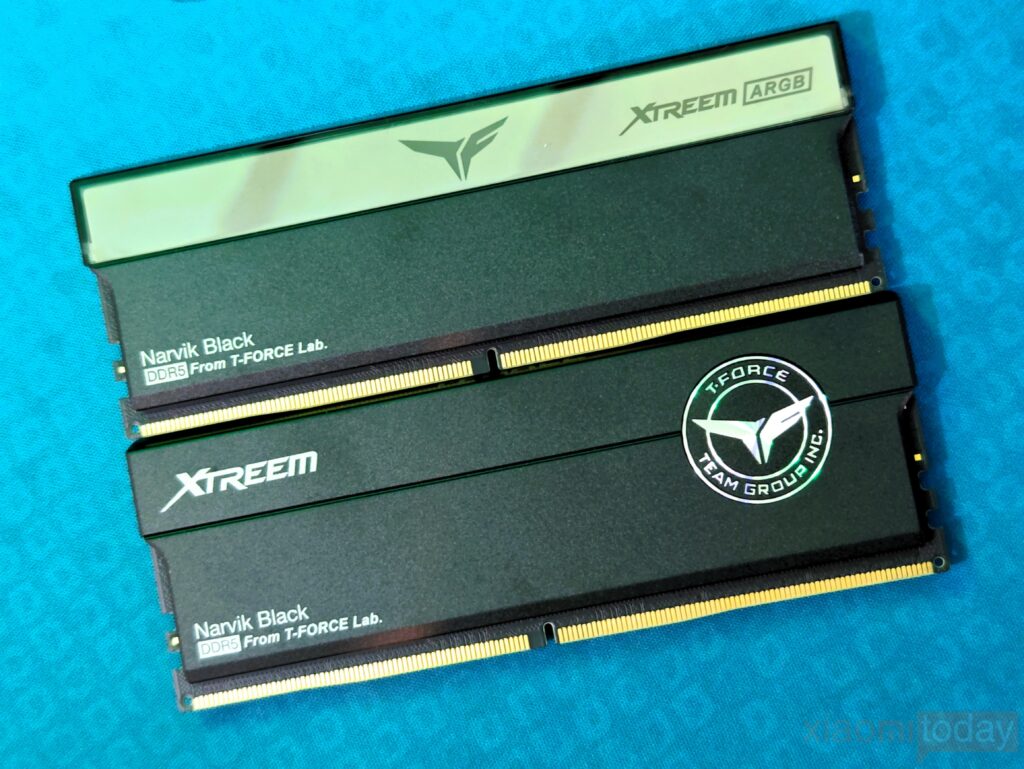
These contract price increases are already reshaping bills of materials for PC and notebook manufacturers. Memory’s share in system costs, which previously hovered in the mid-teens, has moved into the mid-20s and, in some configurations, even higher. DDR5 modules and SSDs have experienced particularly sharp increases, rising two to three times on average. Year-over-year, DRAM pricing has surged by 171.8%, creating challenges for companies producing mainstream devices where margins are tightly managed.
Cloud service providers have responded quickly by securing long-term supply commitments. Many have locked in allocations for both 2026 and 2027 in an effort to prepare for rising infrastructure demands. This push from hyperscalers further limits the memory available for consumer devices and OEMs. Despite their scale, major U.S. and Chinese cloud companies have been able to secure only about 70% of their targeted DRAM capacity. This reduction eliminates the buffer stock that buyers previously relied on, tightening the supply chain even more.
The cause of the shortage is tied to shifting demand patterns within the semiconductor industry. A large portion of production capacity has been redirected toward high-bandwidth memory, which is essential for AI accelerators and advanced computing systems. As manufacturers prioritize HBM, less wafer output remains for commodity DRAM and 3D NAND, leading to the current supply imbalance. Since building new fabrication facilities is a multi-year process, the market is unlikely to see major improvements before late 2027 or 2028.
TeamGroup states that it will concentrate on supporting strategic AI-focused clients while adjusting its product lineup to match the changing demand landscape. While consumer and mainstream computing devices face the greatest impact, certain segments such as gaming, industrial systems, defense applications, and medical equipment are expected to experience less disruption. Even so, the broader memory market appears positioned for continued volatility as supply constraints and expanding AI requirements drive pricing throughout the next several years.
Sources: DigiTimes, via Tom’s Hardware