Sony has filed a new patent that outlines an experimental adaptive controller design for future PlayStation hardware. The patent, spotted by Insider Gaming, describes a controller concept that removes most traditional physical inputs in favor of touch-sensitive surfaces and optical sensors, signaling a different approach to accessibility-focused game control.
Unlike standard controllers that rely on fixed buttons and analog sticks, the patented design centers on fully customizable layouts. According to the documentation, users would be able to define their own control schemes, including the placement of face buttons, directional inputs, and virtual analog sticks. This would eliminate fixed layouts and allow players to arrange controls based on personal comfort or physical requirements. The patent also references user profile detection, which could enable the controller to automatically load saved layouts for individual players.
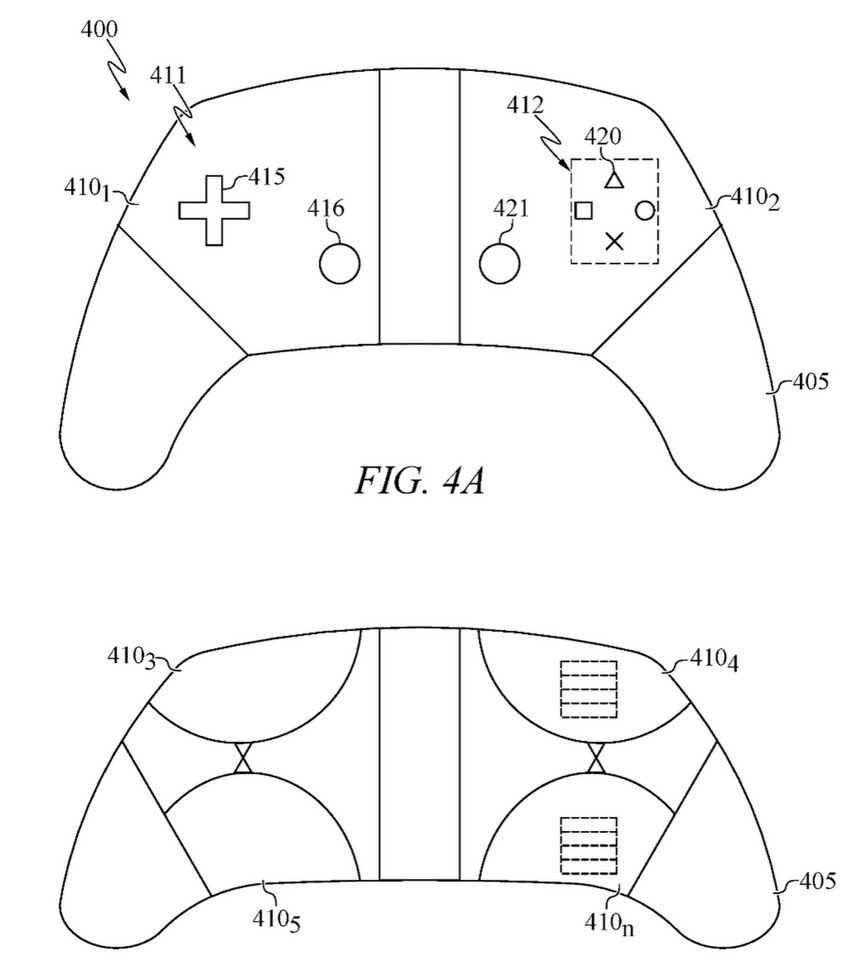
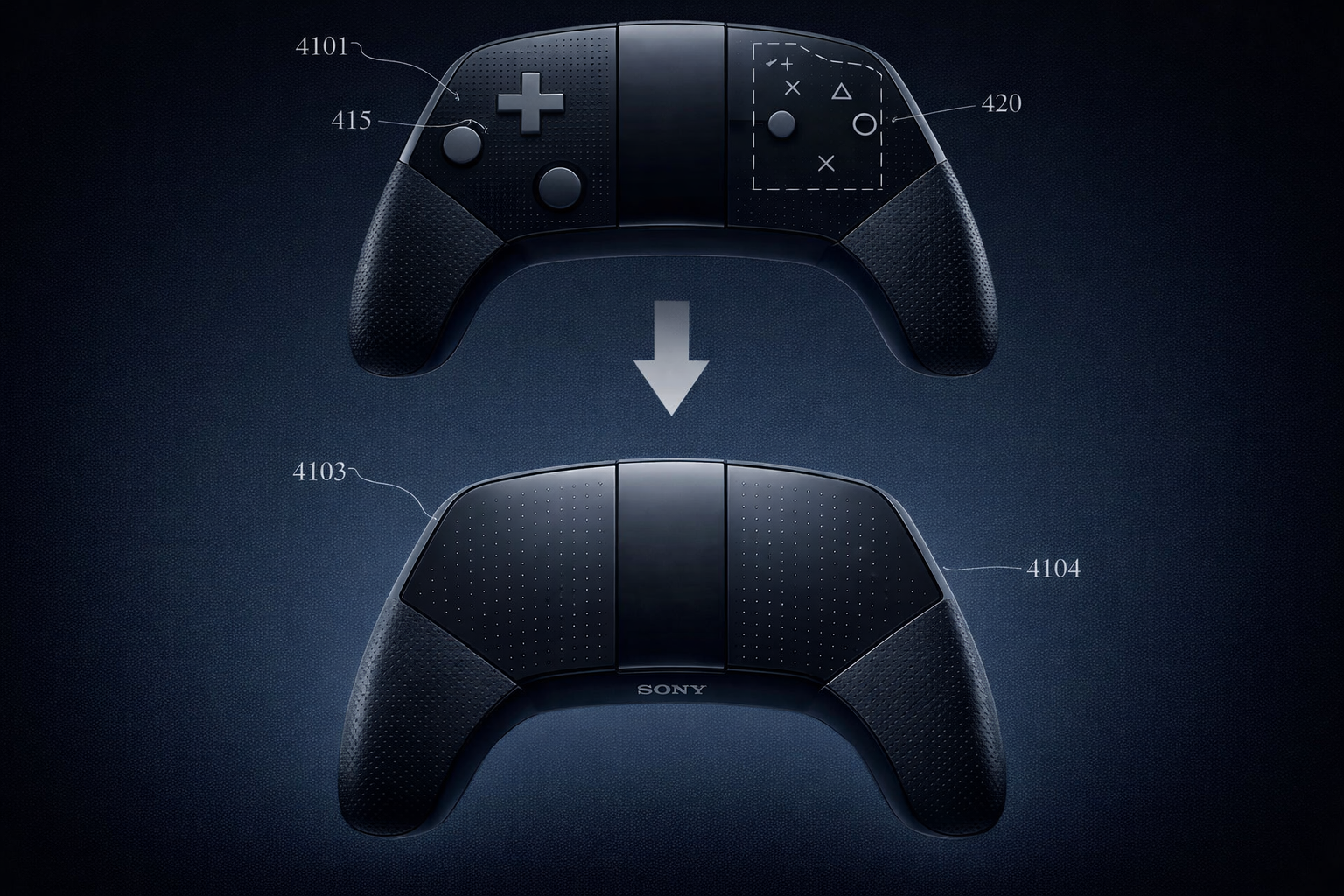
The controller would rely on a combination of touch surfaces and optical sensors to detect interaction. These sensors would not only register direct contact but could also recognize when a player’s hand, finger, or thumb approaches the controller. This approach may reduce the need for firm presses and could benefit users with limited strength or mobility. Sony’s filing also notes support for gesture-based inputs such as swipes, pinches, and sliding motions, expanding input options beyond traditional button presses.
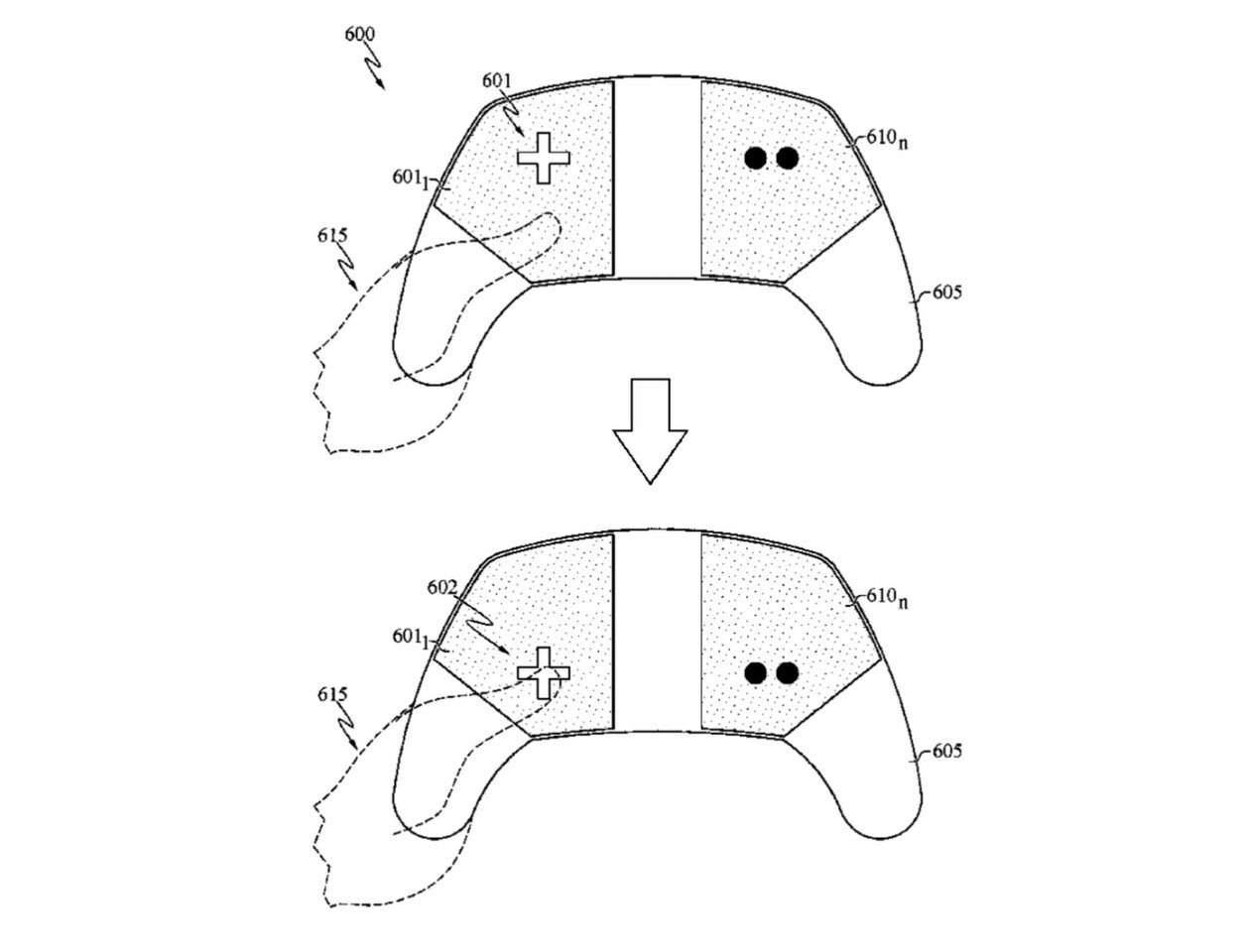
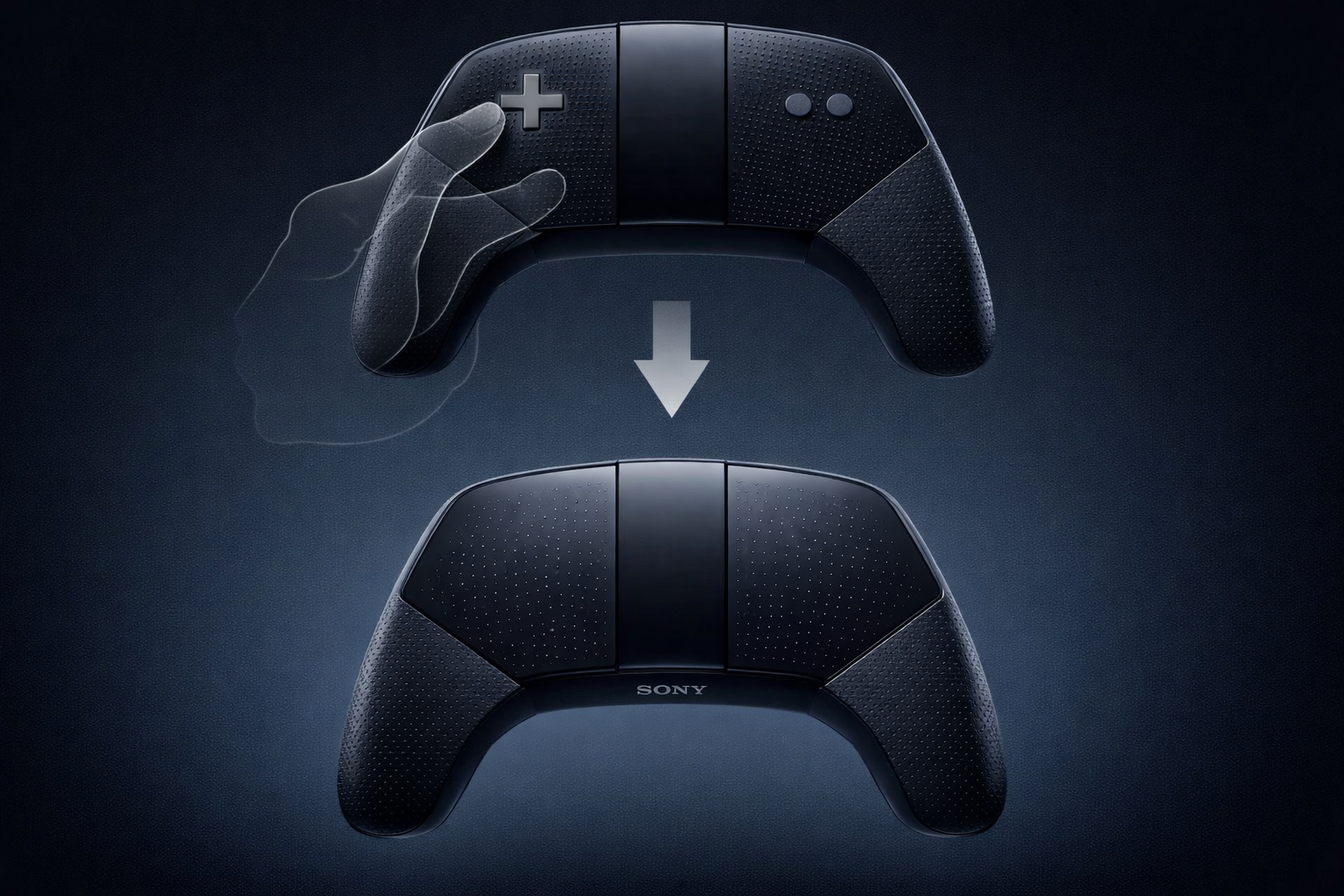
Further details in the patent suggest that multiple control configurations could exist on the same side of the controller. Users could adjust the size and position of different button groups, allowing layouts to be scaled for various hand sizes, shapes, and levels of dexterity. This flexibility aligns closely with accessibility goals, offering a software-driven alternative to hardware-based customization.
While the concept reflects Sony’s interest in adaptive gaming solutions, the company has not confirmed any plans to release such a controller. Patents often represent early-stage ideas rather than finalized products. Still, the filing highlights ongoing exploration within Sony’s hardware division, especially as accessibility continues to play a larger role in game design and platform development.