Nintendo is experiencing a significant rise in component costs for the Switch 2, with the price of DRAM and NAND flash climbing sharply this quarter. The cost of the 12 GB LPDDR5X memory modules used in the console has increased by approximately 41%, while 256 GB of NAND flash has gone up around 8%. These shifts add to the overall bill of materials for the Switch 2 and coincide with a decline in Nintendo’s share price to levels last observed in May 2025.
The rise in DRAM prices is particularly impactful because memory accounts for a substantial portion of the console’s production cost. With higher per-unit expenses, Nintendo is being forced to implement stricter internal storage management and rely more on external storage solutions, which are themselves becoming more expensive. For players, this could mean higher costs when expanding storage to accommodate large game titles or digital content.
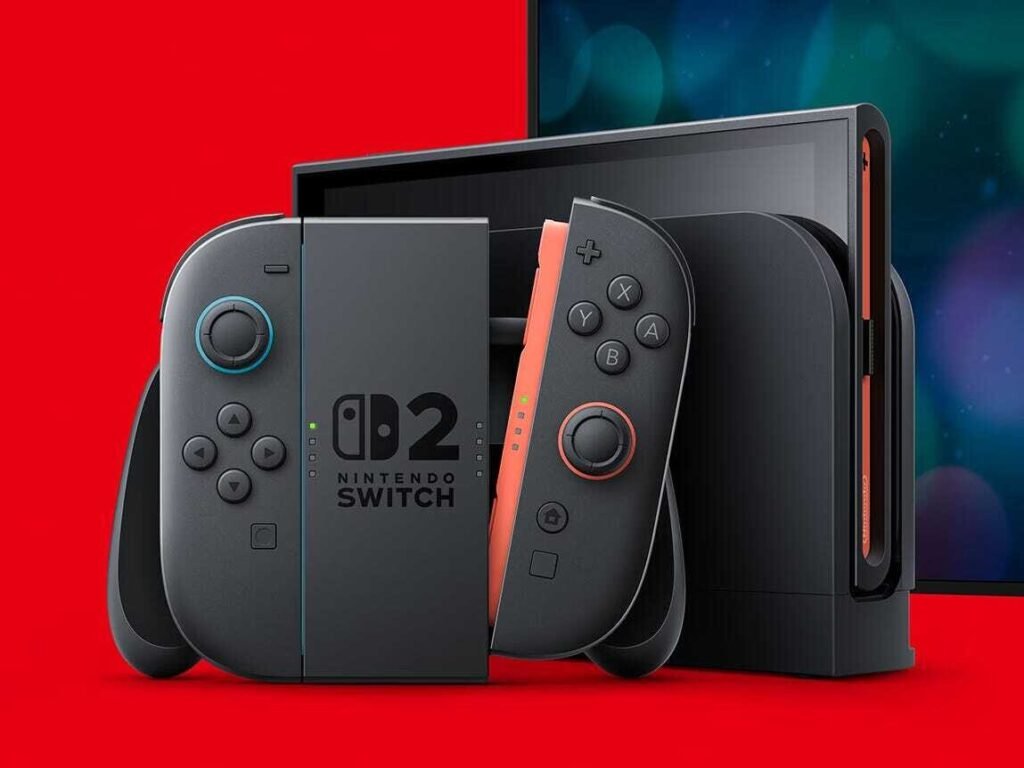
The increase in component costs also affects Nintendo’s profit margins. The Switch 2 launched with limited room for absorbing additional expenses, and a 41% jump in DRAM coupled with an 8% rise in NAND could reduce the company’s ability to fund marketing campaigns, promotional bundles, or discounts without affecting profitability. The company may face pressure to adjust the retail price of the console or reduce bundled extras to balance the impact of higher hardware costs.
Nintendo now faces several strategic decisions to manage production and pricing. One approach is to maintain current retail prices, accepting thinner margins and finding ways to negotiate better deals with suppliers. Another option is to adjust the console’s bill of materials by incorporating lower-cost components where possible. Historically, console makers have absorbed higher component costs to maintain market share, but the current increases in DRAM and NAND present a more challenging environment.
The company reported sales of approximately 10.36 million Switch 2 units through November 2025 and has set a target of nearly 19 million units by the end of March 2026. Achieving this goal will require careful management of production costs and pricing strategies while maintaining consumer interest in the new console. The rising cost of key components is likely to influence Nintendo’s decisions on future bundles, promotions, and potential price adjustments, making the coming months critical for the console’s commercial success.
The situation underscores the broader challenges faced by hardware makers in a period of rising memory prices. As DRAM and NAND costs continue to fluctuate, companies like Nintendo must weigh production efficiency, pricing strategies, and consumer expectations to sustain sales and profitability. The Switch 2’s ability to meet its sales targets will depend on how effectively the company manages these pressures while maintaining a balance between cost and market demand.
Sources: Bloomberg, via HardwareLuxx