EPOMAKER used CES 2026 to introduce two new mechanical keyboards, highlighting changes in layout flexibility and industrial design. The company presented the EPOMAKER RT98, a 95% layout keyboard built around a modular structure, and the EPOMAKER Glyph, a model that draws inspiration from traditional typewriters while incorporating modern input features.
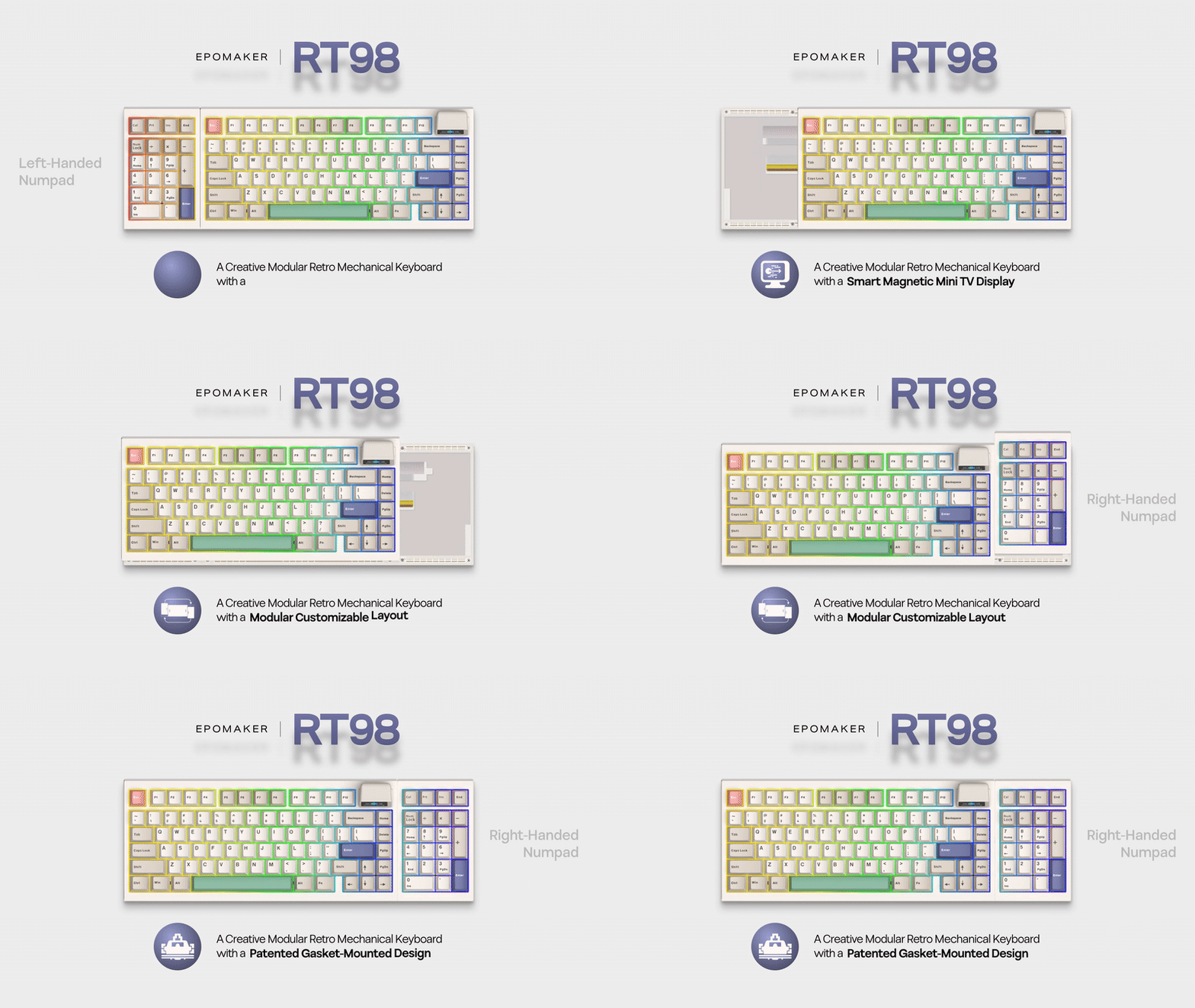
The EPOMAKER RT98 is positioned as a compact keyboard that retains much of the functionality of a full-size layout. Its main feature is a modular design that allows the numeric keypad and certain control keys to be detached from the main body and repositioned. Users can place the numeric keypad on either the left or right side, depending on their workflow or desk arrangement. This layout flexibility is aimed at users who prefer a left-side numpad for mouse-heavy tasks or those who want a more conventional right-side configuration.
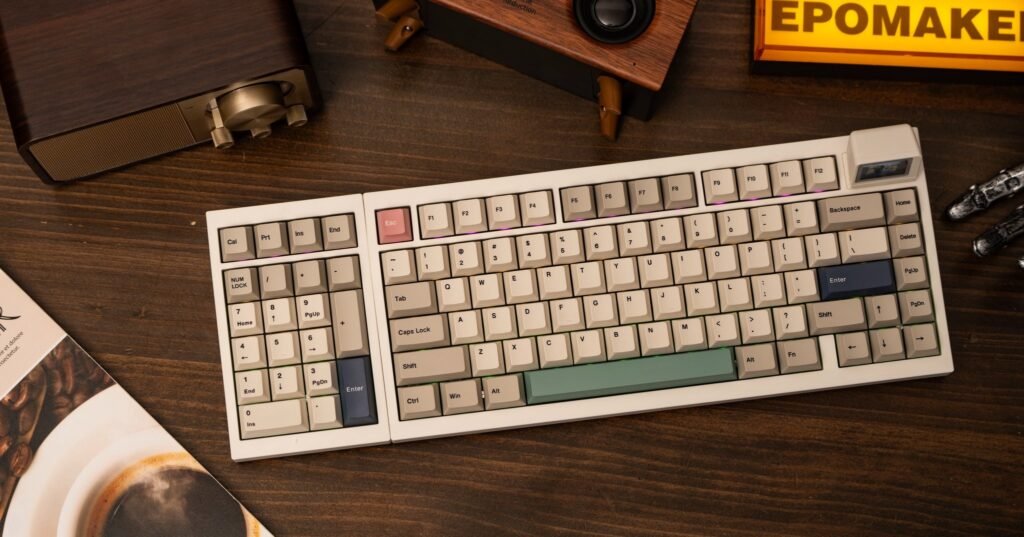
Beyond its physical layout, the RT98 supports tri-mode connectivity. Users can connect the keyboard through a wired USB connection, Bluetooth, or a 2.4GHz wireless mode. This makes the keyboard compatible with a wide range of devices, including desktop PCs, laptops, and tablets. The internal battery has a rated capacity of 8000mAh, which is intended to support extended use in wireless modes without frequent charging.
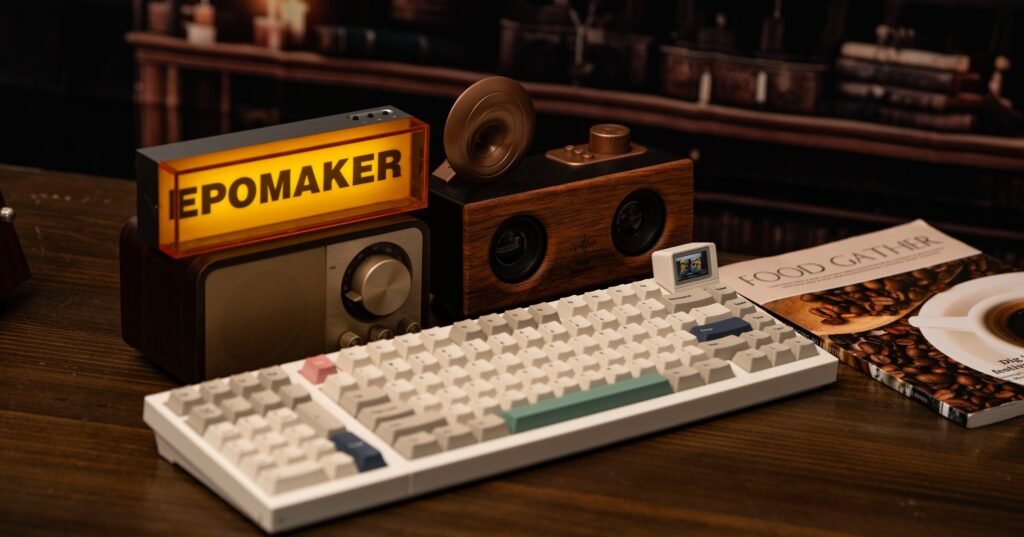
Internally, EPOMAKER has adopted a gasket-mounted structure for the RT98. The keyboard uses multiple layers of sound-absorbing materials to reduce vibration and noise during typing. This approach has become more common in recent mechanical keyboards, especially among users who prefer a softer typing feel and lower acoustic output. The printed circuit board supports hot-swappable switches, allowing users to replace mechanical switches without soldering. This feature enables customization and easier maintenance over time.
The RT98 ships with PBT dye-sublimated keycaps. PBT material is often chosen for its resistance to shine and wear, especially for users who type for long hours. Dye-sublimation ensures that legends are embedded into the keycap material rather than printed on the surface, which helps preserve readability over extended use.
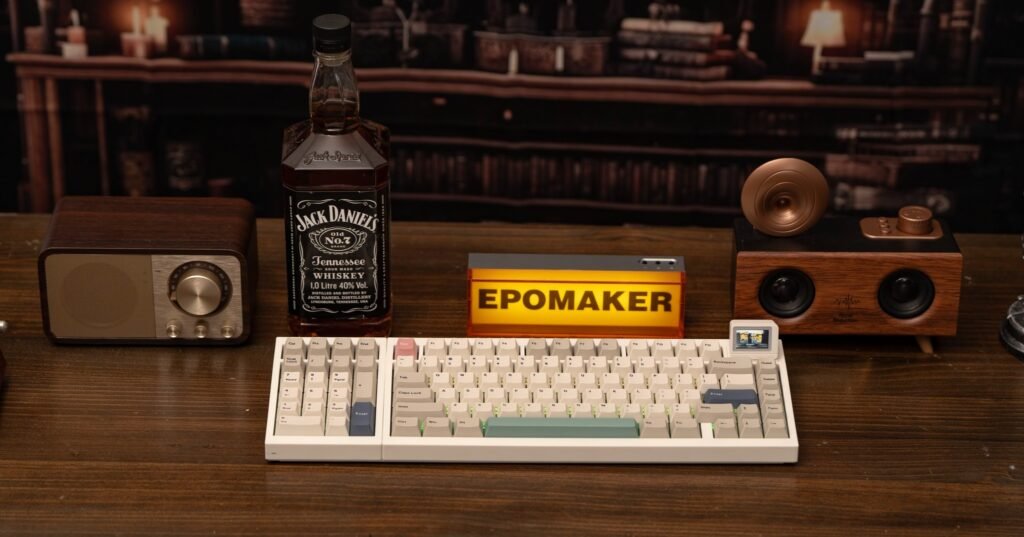
The RT98 features a detachable 1.14-inch display module positioned at the upper right corner of the keyboard. EPOMAKER markets this component as a “mini TV” screen. The module can be removed or swapped out, giving users added flexibility when customizing the keyboard’s layout and appearance. While EPOMAKER has not fully outlined the screen’s supported functions, similar displays are typically used for showing system information, status indicators, or user-defined graphics, adding both visual appeal and practical value to the overall design.

In addition to the RT98, EPOMAKER also introduced the Glyph mechanical keyboard at CES 2026. The Glyph takes a different design direction, paying homage to classic typewriters. One of its most noticeable features is a metal lever element, which echoes the mechanical components found on older typing machines. This retro influence is combined with modern features, including a metal multimedia control knob that allows users to adjust volume or navigate media playback.


The Glyph also includes a rear-mounted lightbox, adding a visual element to the keyboard’s overall design. While EPOMAKER has not disclosed detailed technical specifications for the Glyph, the company emphasized its focus on blending historical design cues with current keyboard hardware trends.
EPOMAKER did not announce pricing or release dates for either the RT98 or the Glyph during CES 2026. Both models were shown as part of the company’s forward-looking lineup, suggesting they may enter the market later in the year. The announcement reflects EPOMAKER’s continued interest in exploring alternative layouts and visual themes within the mechanical keyboard segment, as manufacturers look to differentiate their products in an increasingly crowded market.
With modular layouts and design-driven concepts on display, EPOMAKER’s CES 2026 presentations indicate a focus on user choice, customization, and varied typing experiences rather than a single fixed form factor.