Logitech’s HITS (Haptic Inductive Trigger System), introduced with the G Pro X2 Superstrike gaming mouse in late 2025, marked a shift in how gaming mouse inputs can be processed. The system focuses on improving click response time, supporting rapid trigger input behavior, and increasing switch durability through a non-traditional sensing method. While the concept received attention in enthusiast gaming circles, the initial implementation in the Superstrike mouse drew mixed reactions due to its premium pricing and limited refinement in certain areas. Despite this, the technology set a new direction for future gaming mouse development.
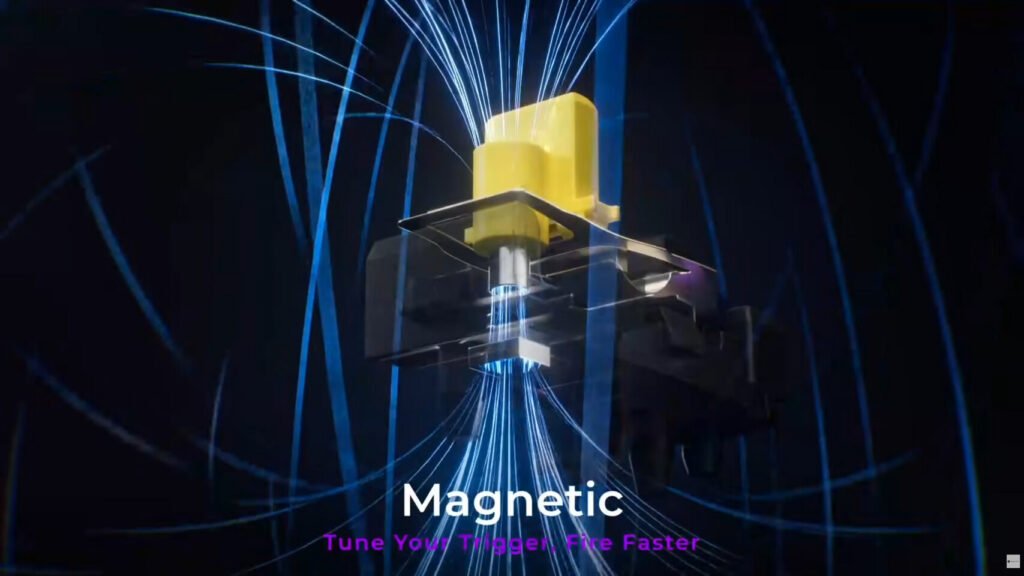
Now, competition is starting to form from new manufacturers exploring similar and alternative approaches to input sensing. Keychron is preparing to enter this space with a new switch design called MagOpt. The company has shared early previews showing a hybrid system that combines optical sensing, magnetic input, and a traditional mechanical click structure.
The MagOpt system is designed to support features such as adjustable actuation points and rapid trigger-style responses. These features are becoming more common in modern gaming peripherals, especially among competitive players who require faster input registration. However, Keychron’s approach appears to focus on simplicity and accessibility. Unlike Logitech’s HITS system, which includes haptic feedback integration, MagOpt is expected to avoid complex feedback systems in favor of a more direct input response model.
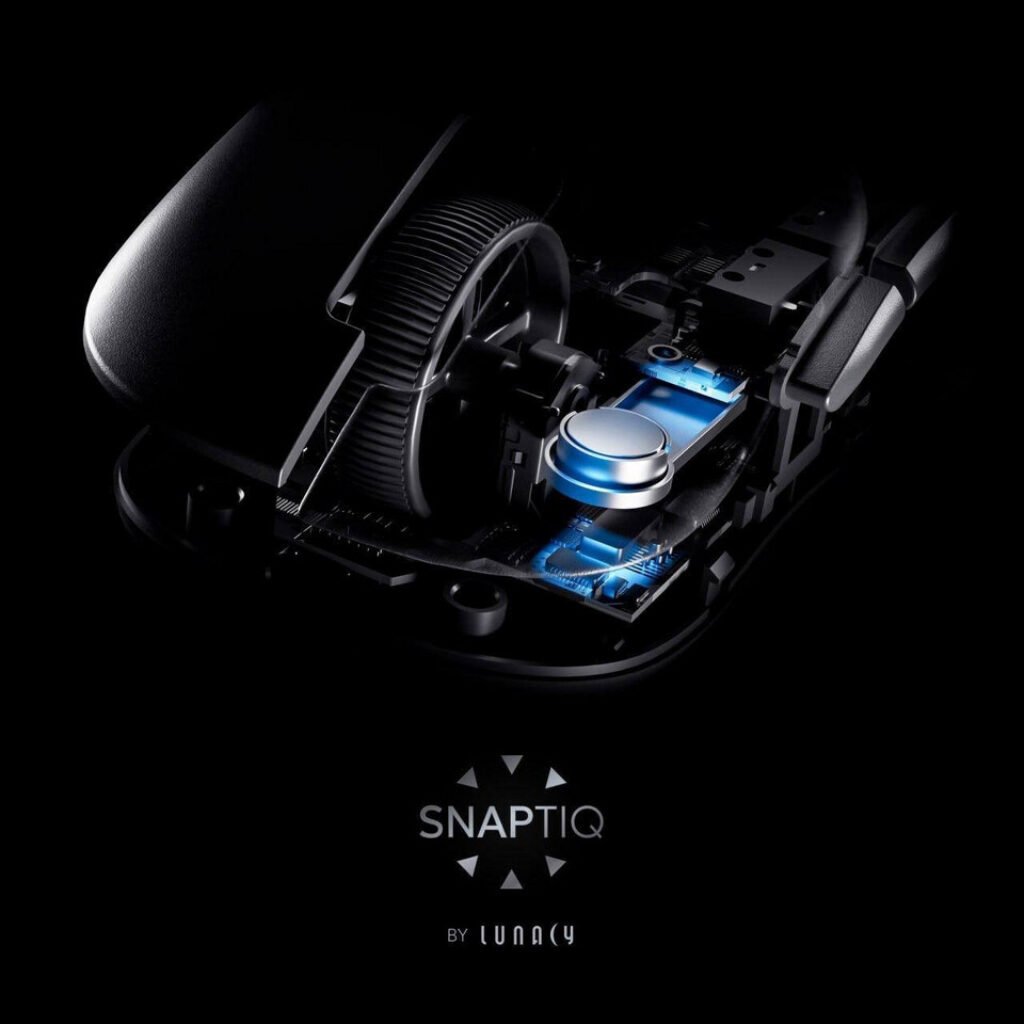
A more advanced concept is being developed under the name Snaptiq, a project reportedly created by a Russian streamer and shared through online previews. This system takes a different direction by aiming to match or closely replicate the functionality of Logitech’s HITS. Snaptiq is believed to use magnetic sensing technology, likely based on Hall effect or TMR sensors. These allow precise tracking of button movement and input depth, which can support analogue-like behavior in a mouse click system.
In addition to sensing improvements, Snaptiq also attempts to recreate tactile feedback using small vibration motors. This approach is designed to simulate the feel of traditional mechanical clicks while maintaining digital precision. Reports suggest the system may detect movement at extremely fine levels, potentially down to 1 micron, and also support silent click operation. The project is expected to reach a potential release phase by the end of 2026, although availability outside specific regions remains uncertain.
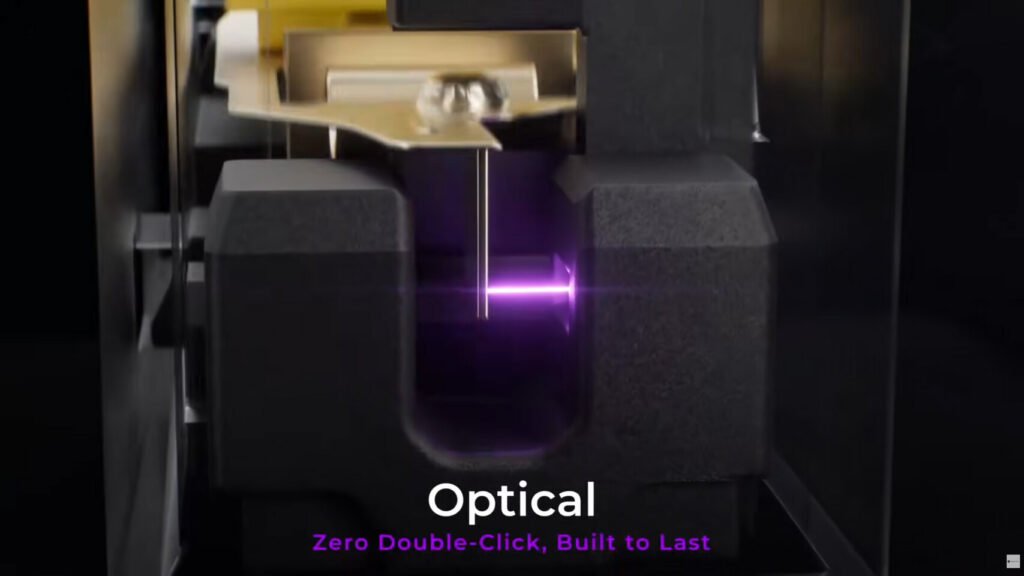
The appearance of Keychron’s MagOpt and Snaptiq’s experimental system shows a growing interest in alternative input technologies beyond traditional mechanical switches. Logitech currently leads with its HITS implementation, but competing designs suggest the market is moving toward more flexible and customizable input systems. As development continues, gaming mice may soon offer wider control over actuation, feedback, and precision, giving users more choice depending on their play style and performance needs.