The debate over generative AI in game development is becoming increasingly pronounced. While large publishers such as EA, Ubisoft, and Xbox are expanding the use of AI tools in production, several studios and indie developers are taking a different approach, publicly committing to avoiding AI-generated assets in their projects. These decisions highlight a growing divide in how the technology is viewed across the industry.
Larian Studios, the studio behind Baldur’s Gate 3, recently announced that generative AI will not be used for concept art or in-game assets in its upcoming Divinity title. In a Reddit AMA, the studio’s CEO explained that while AI might assist with workflow optimization and experimentation, it will not replace human-created art. This approach is aimed at preserving the studio’s creative vision while still exploring ways to make early development processes more efficient.
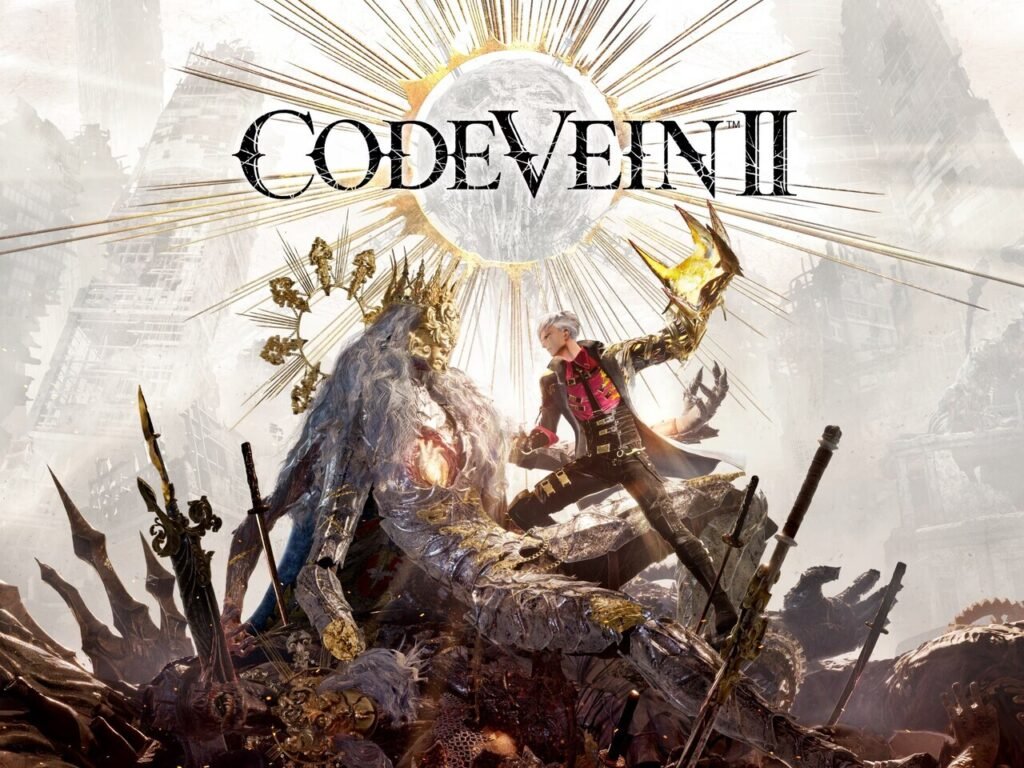
Bandai Namco’s team working on Code Vein 2 has taken a similar position. In an interview with PCGamesN, producer Keita Iizuka confirmed that no generative AI tools are being used on the project. The team emphasized the importance of cohesiveness and originality in the game’s visual design, stating that the art style and overall aesthetic are central to creating an immersive experience. By relying on traditional development methods, the team aims to ensure a consistent and distinctive world.
Publishers are also formalizing their stance on AI use. Hooded Horse, which publishes titles including Manor Lords and Endless Legend 2, has implemented a company-wide ban on generative AI assets. CEO Tim Bender stated in an interview with Kotaku that the policy is now included in publishing contracts, specifying that games released under the label must not include AI-generated content. Bender also expressed caution regarding AI use during early development, referencing past cases where AI-generated assets caused controversies, including the revocation of awards.
These developments reflect a careful approach by some studios and publishers toward integrating new technologies. While AI tools may offer potential efficiency benefits, concerns over creative control, consistency, and long-term implications are prompting a clear line between studios adopting AI widely and those choosing to avoid it. The divide in the industry suggests that discussions about AI’s role in game development will continue for the foreseeable future.