Elitegroup Computer Systems (ECS), a company widely recognized for its work in embedded systems and motherboard engineering, has taken another step into the aerospace sector with the launch of the Lilium-2 and Lilium-3 CubeSats. The two satellites lifted off aboard a SpaceX Falcon 9 rocket from Vandenberg Space Force Base in California at 2:44 a.m. Taiwan Time on Saturday, November 29, 2025. This launch continues ECS’s collaboration with National Cheng Kung University (NCKU), which began in 2023 to advance Taiwan’s presence in satellite technologies.
Both CubeSats reached a 520-kilometer low Earth orbit, where they will carry out multiple technology verification tasks. These include Earth surface imaging, real-time object recognition, and inter-satellite communication testing. The mission is designed to strengthen Taiwan’s capabilities in compact satellite development, while also enabling local institutions and companies to gain operational experience that can be applied to future commercial projects.
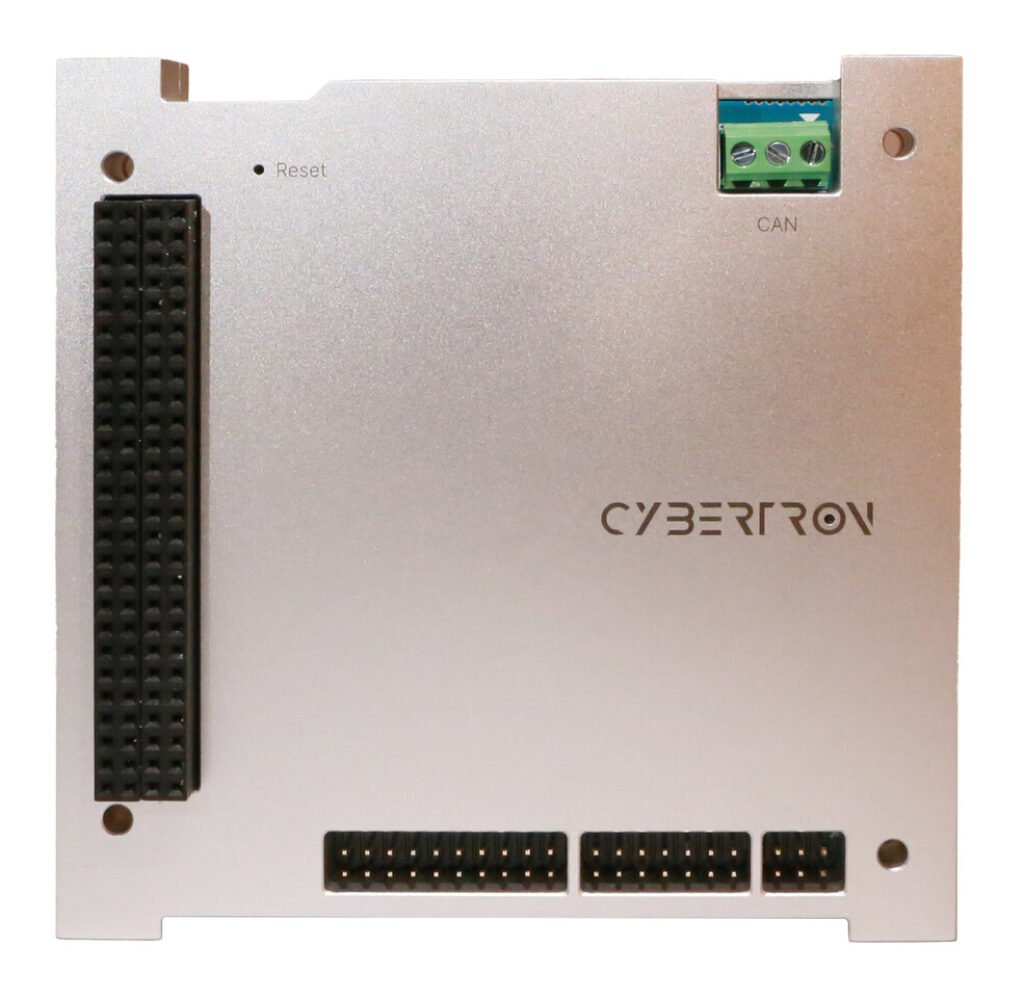
For ECS, the highlight of this mission is the debut of its independently developed On-Board Computer (OBC) on the Lilium-3 satellite. Built on a “hosted payload” concept, the OBC is responsible for managing communication between the satellite bus and its payload while reducing the processing burden on the main system. Validating this computer in orbit is a major milestone for ECS, as it allows the company to establish the flight heritage required for participation in future commercial space programs and international partnerships.
In parallel, ECS’s OBCC6M7R satellite motherboard, which began receiving orders in late 2024, is positioned to support upcoming missions for both domestic and international clients. This hardware aims to meet the growing demand for reliable electronics in commercial and research-focused satellite platforms.
Lilium-2 and Lilium-3 are both 6-unit (6U) CubeSats, and the mission will also test several technologies developed in Taiwan. These include Ku-band high-speed communication modules, intelligent telemetry edge computing systems, and vacuum-arc thrusters designed for efficient in-orbit maneuvering. The results from these tests will contribute to ongoing efforts to strengthen Taiwan’s research and industrial capabilities in space systems.
ECS will take part in the in-orbit testing phase for Lilium-3, using operational data to refine and further mature its space electronics solutions. The company plans to continue expanding its hardware and software integration expertise, as well as its product verification capabilities, to contribute to future low Earth orbit missions. Through these initiatives, ECS aims to support the long-term growth of Taiwan’s aerospace industry and strengthen its role in global space supply chains.