Lenovo appears to be preparing a new addition to its Legion lineup, and early information suggests it may be one of the company’s most experimental laptop designs to date. Promotional materials shared ahead of CES 2026 by Windows Latest describe a Legion Pro Rollable laptop equipped with a motorized expanding display that shifts from a standard aspect ratio into a wider ultrawide format.
According to the leak, the laptop begins with a traditional 16:9 display layout familiar to current Legion users. However, the device incorporates extra display material stored within the lid. When activated, a motorized system extends panels from both the left and right sides, expanding the screen into a 21:9 ultrawide configuration. The mechanism relies on rails guiding the side sections outward, forming a continuous panel that offers more horizontal workspace. In its closed position, the machine maintains a familiar Legion aesthetic, featuring a centered OLED display and the same overall silhouette as existing models.
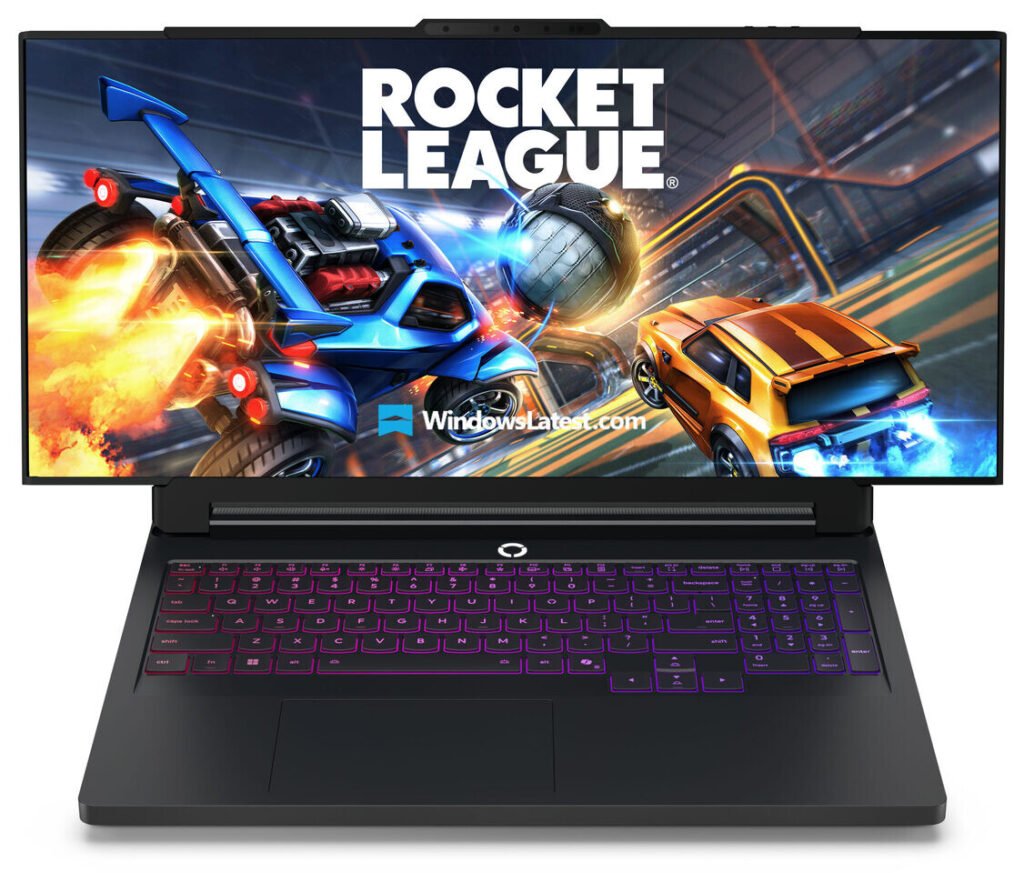
The leak also highlights that the laptop is powered by an Intel Core Ultra processor. Though the exact model is not identified, the timing suggests it may be tied to Intel’s upcoming Panther Lake series. Lenovo appears to be preparing the announcement ahead of Intel’s full disclosure of the new lineup, which may explain the absence of specific processor SKUs in the leaked material.
While Lenovo has not confirmed the full specifications, the Legion series historically includes discrete graphics, and this model is expected to continue that trend. A dedicated NVIDIA RTX GPU seems likely, especially considering the gaming-focused positioning. The display is also expected to support at least 120 Hz, matching or exceeding the refresh rates found in current Legion models.


Other details, including RAM options, storage configurations, expanded display resolution, and pricing, have not yet appeared in leaks. Lenovo’s earlier rollable project, the ThinkBook Plus Gen 6 Rollable, moved from concept to commercial release, offering a vertically expanding screen. The new Legion model’s horizontal expansion shows Lenovo’s continued exploration of nontraditional form factors and suggests the company is investing in rollable technology for more than just prototypes.
If Lenovo plans to reveal this device during CES 2026, the Legion Pro Rollable may attract attention from gamers, creators, and users who need wider screen layouts without increasing physical footprint. With the broader industry exploring flexible and adaptive displays, Lenovo’s move toward a rollable ultrawide design could indicate a shift toward more modular screen formats in future laptops. Additional information is likely to appear closer to the event as Lenovo finalizes the product announcement.