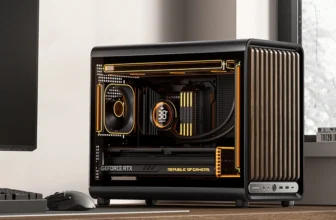
Reports surrounding Ryzen 7 9800X3D CPU failures are continuing, with a new case adding further concern about the processor’s reliability. An internet cafe owner has reported losing 15 CPUs out of a batch of 150 Ryzen 7 9800X3D units, placing the failure rate at 10 percent. What makes this case notable is that all reported CPU deaths occurred on ASUS motherboards, not ASRock boards, which were linked to many earlier reports.
The issue was shared on Reddit by user u/RealisticLoad3327, who runs an internet cafe and deployed the Ryzen 7 9800X3D systems earlier this year. According to the user, the CPUs were installed on ASUS B650M-AYW WiFi motherboards, paired with 850W 80+ Gold power supplies from Huntkey. The systems were reportedly set up for daily commercial use, making the failures both costly and disruptive to operations.
The cafe owner stated that none of the affected systems had Precision Boost Overdrive enabled, nor were any manual overclocking settings applied. This detail aligns with many previous reports where users claimed the CPUs failed under stock settings. The systems were running BIOS version 3283 (98.81.0), released by ASUS in September. This BIOS update was listed as improving system stability, though it was not the most recent version available at the time.
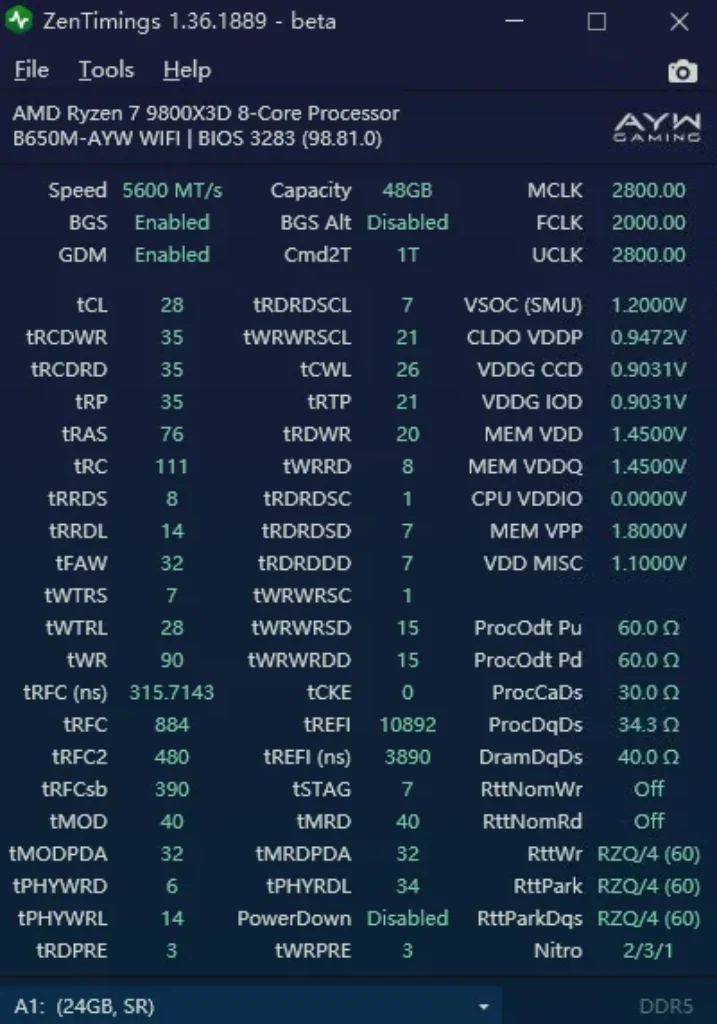
Despite using a relatively recent BIOS, CPU failures reportedly continued at random intervals. The user noted that a CPU would typically fail every one to two weeks. Since deployment began in March, this places the average failure rate at roughly 1.6 CPUs per month. The owner described the experience as the worst he has had with any CPU platform, especially given the scale of his deployment.
Some users have pointed to the Huntkey power supplies as a possible factor. The brand has faced criticism in the past, particularly in budget-focused builds. However, similar Ryzen 7 9800X3D failure reports have been shared by users running different power supply brands, making it difficult to place blame solely on the PSU. In many cases, affected users reported stable voltage readings and no signs of power-related damage.
Another theory raised in ongoing discussions involves voltage behavior at the CPU level. Some users believe the Ryzen 7 9800X3D may be drawing higher voltage than expected under certain workloads, even at default settings. Without official confirmation, this remains speculation.
Nearly a year after the first Ryzen 7 9800X3D failure reports surfaced, AMD has yet to provide a clear explanation or public statement addressing the root cause. Motherboard partners have released multiple BIOS updates during this period, but none have fully stopped reports of CPU deaths. The situation has drawn comparisons to the instability issues that affected Intel’s 13th- and 14th-generation high-end processors, which also took months to acknowledge and address.
For business owners and system integrators, the lack of clarity continues to be a concern. Until AMD or its board partners identify the cause and offer a reliable fix, reports like this are likely to keep drawing attention within the PC hardware community.