Microsoft has confirmed that Fable, the long-awaited reboot of its classic role-playing series, will launch this autumn. The announcement was made during Xbox Developer_Direct, where Playground Games presented its most detailed look yet at the upcoming action RPG. The new Fable is being developed by a dedicated team within Playground Games, the studio best known for the Forza Horizon series. Rather than continuing the story of the original trilogy, the studio describes the project as a “new beginning,” designed to reintroduce the franchise while keeping its core identity intact.
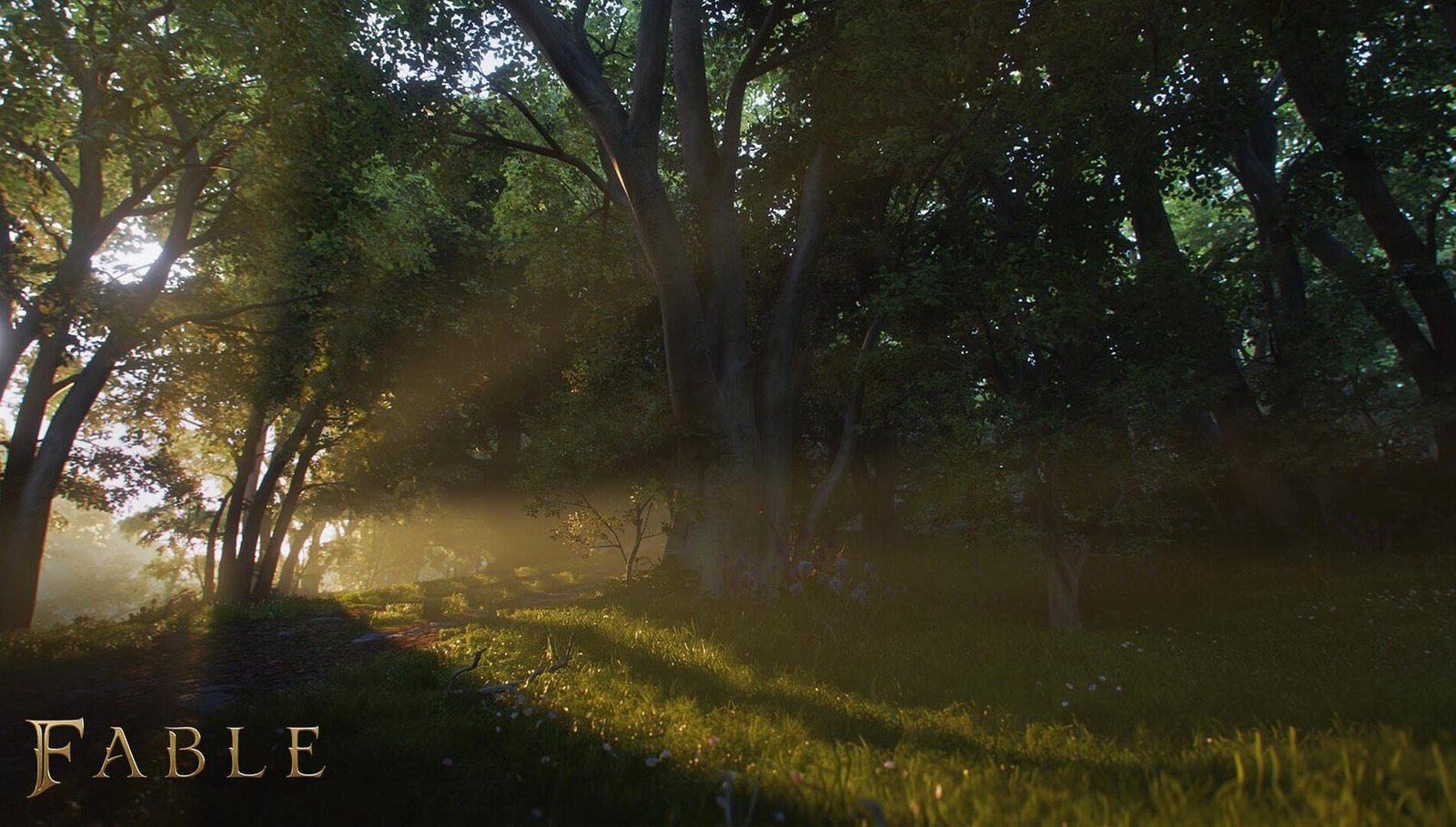
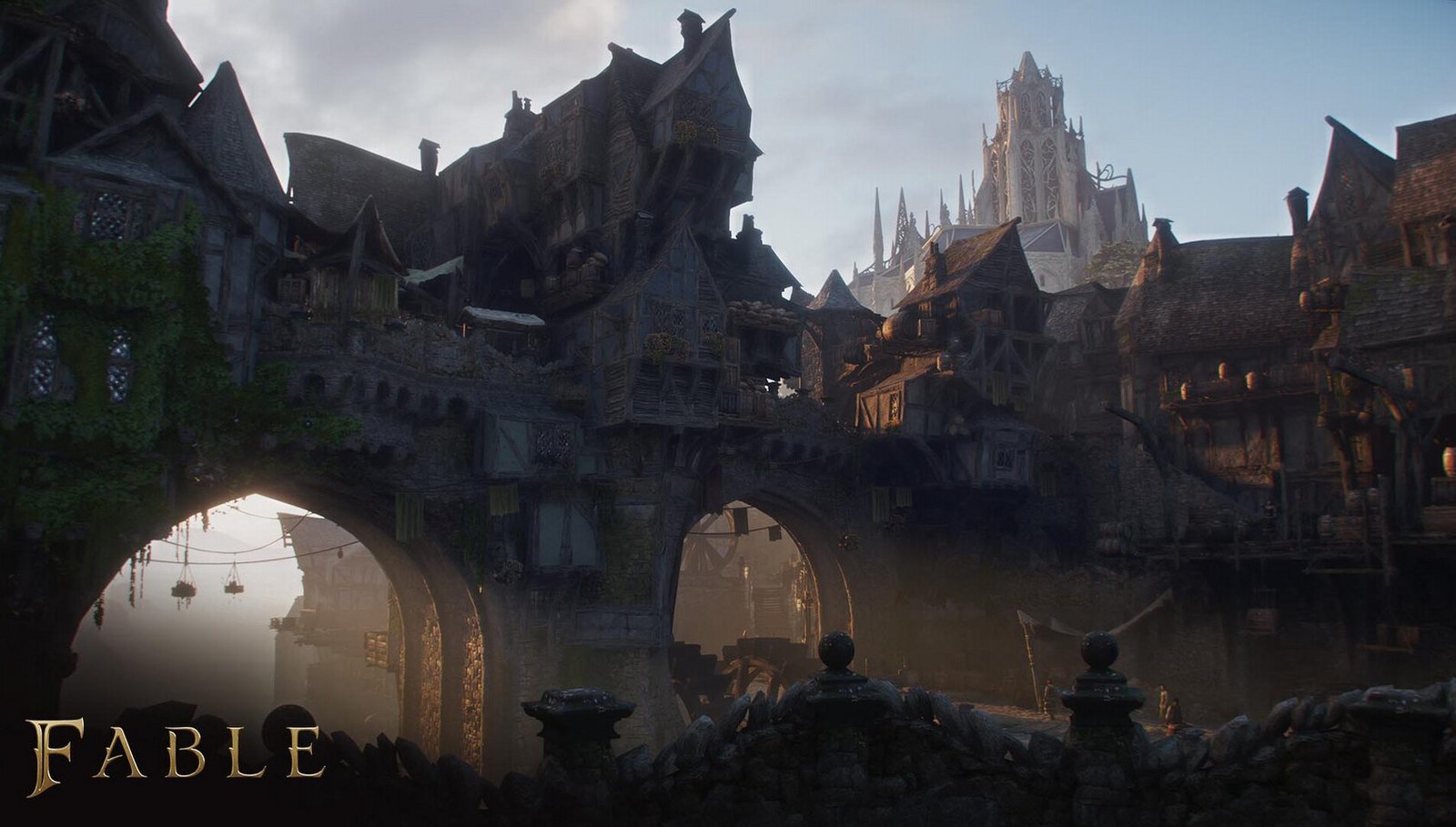
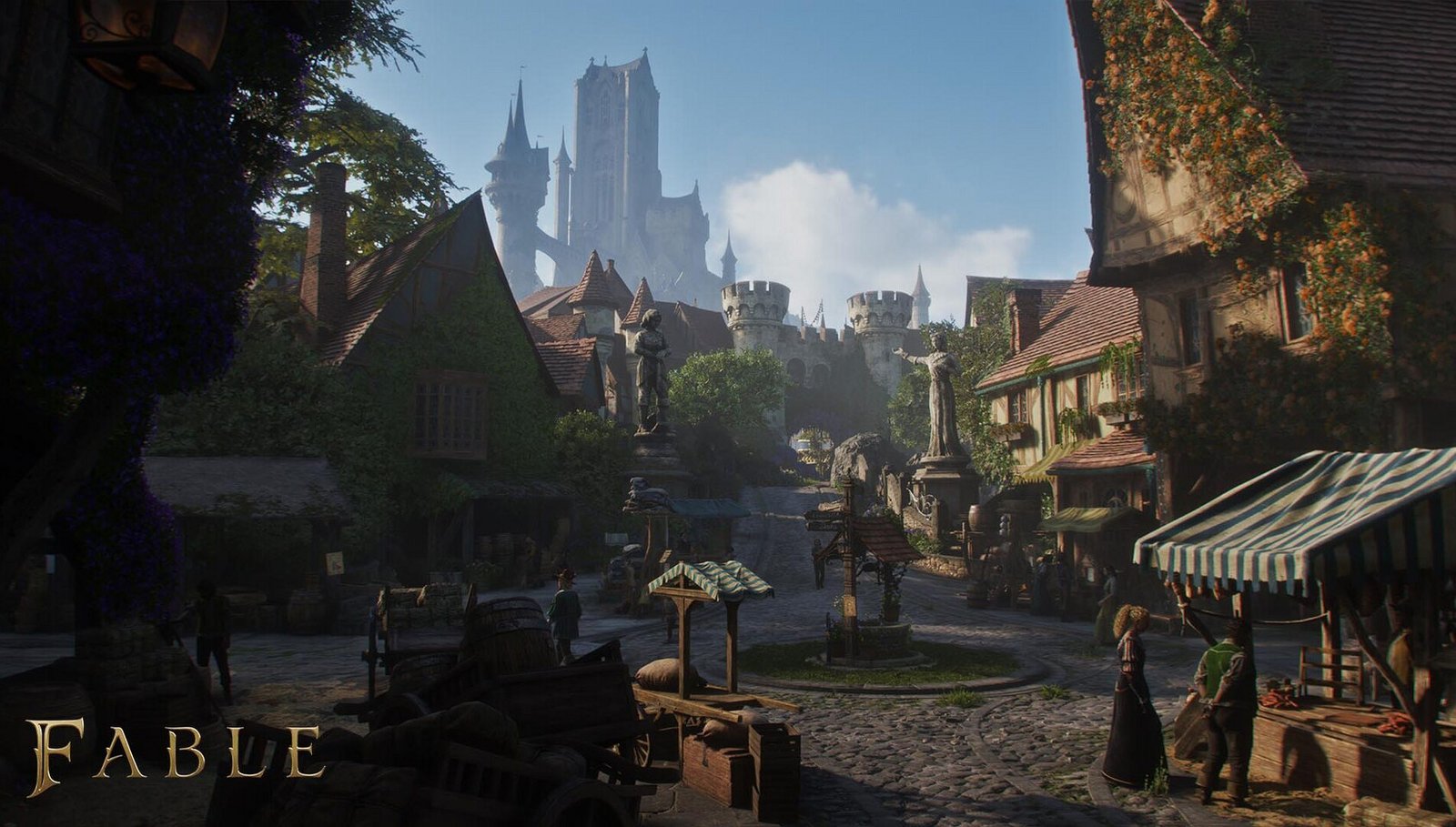
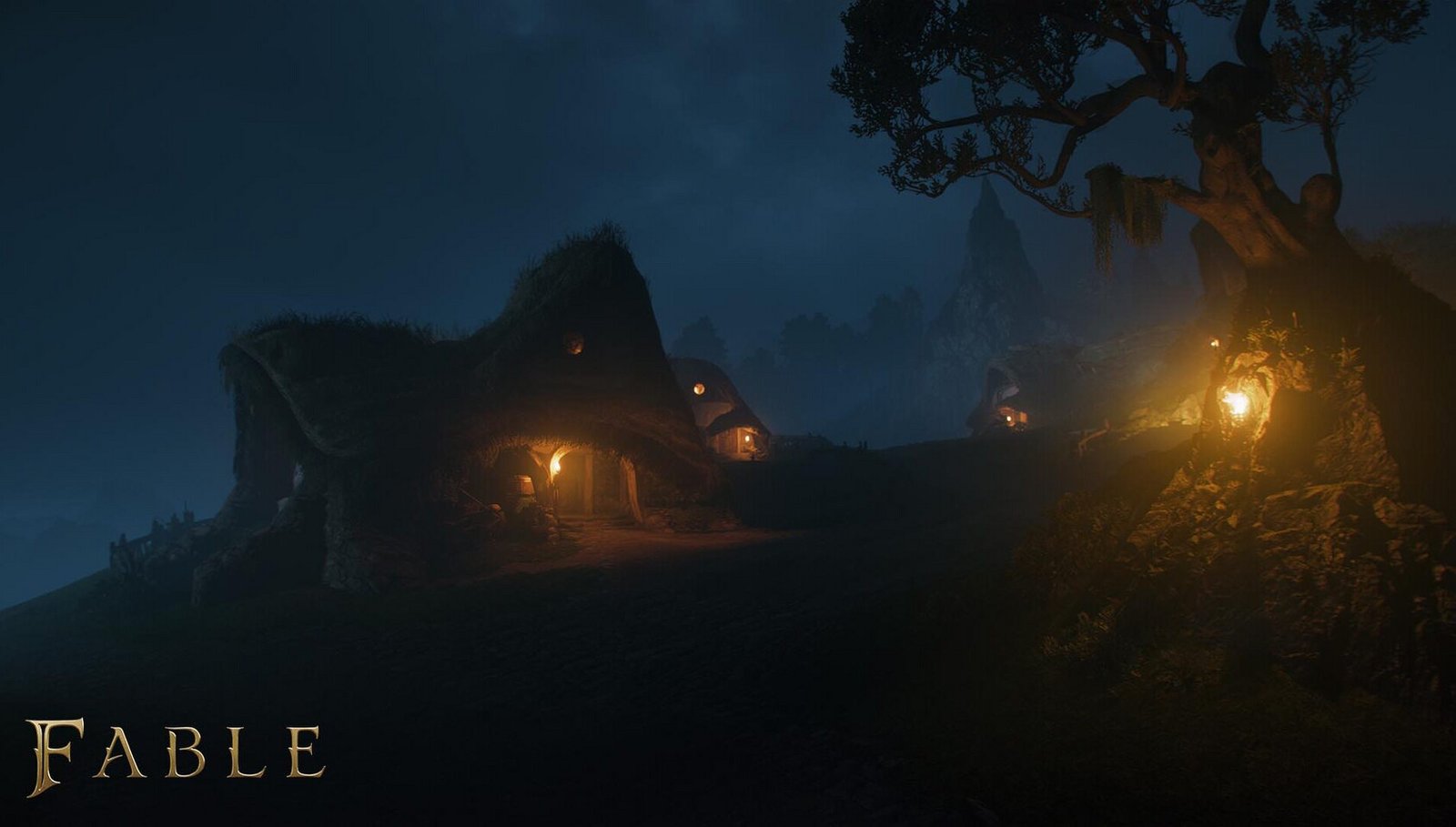
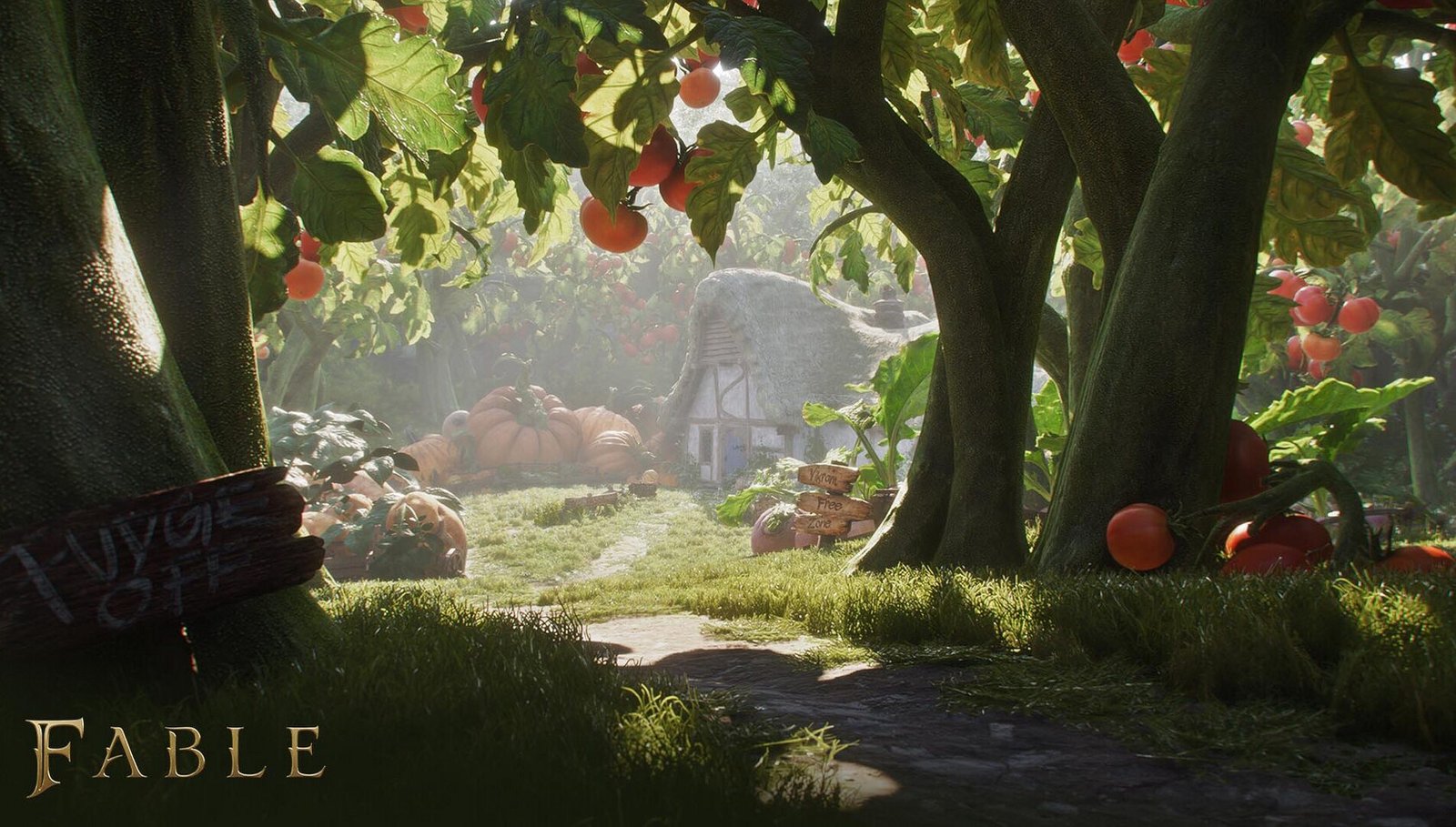
Speaking during Developer_Direct, Game Director Ralph Fulton confirmed that Fable is a full reboot and does not follow the timeline of earlier entries. While the original games remain accessible through Xbox backward compatibility, Playground wanted the freedom to create a new version of Albion and tell an original story without being constrained by past events. Fulton explained that the team focused on understanding the essence of Fable rather than recreating Lionhead Studios’ work. Internally, the developers returned to a long-standing description of the series as “fairytale, not fantasy,” a concept that now guides the game’s tone, world design, and storytelling.
This approach places emphasis on smaller, personal stories and how magic affects ordinary people, rather than large-scale political conflicts. British humor, long associated with the series, remains a key element and is reflected in character dialogue, reactions, and overall presentation.
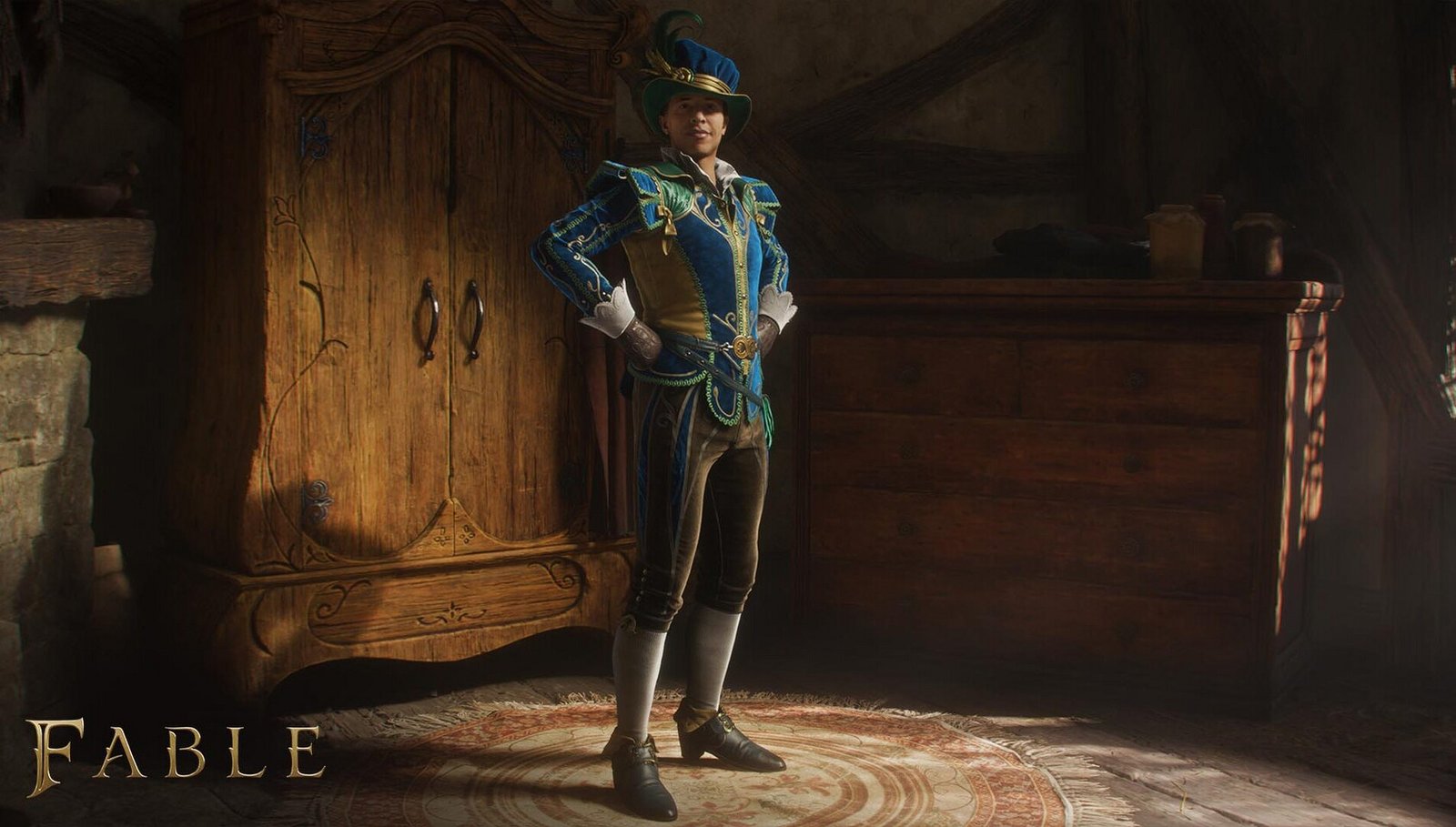
The game begins in familiar Fable fashion, with players starting as a child before their heroic abilities emerge. After a time jump, the story resumes in adulthood in the village of Briar Hill. The central conflict is triggered when the village, including the player character’s grandmother, is turned to stone by a mysterious figure. From that point, players are free to explore Albion without strict direction. While the story points toward locations such as Bowerstone and the Heroes’ Guild, Playground confirmed that there is no forced order of progression. The open world is accessible early, and players can choose how and when to engage with the main quest.
According to the developers, progression and difficulty systems have been designed to support this freedom. Players can visit any settlement and still find activities, side jobs, and narrative content regardless of when they arrive.
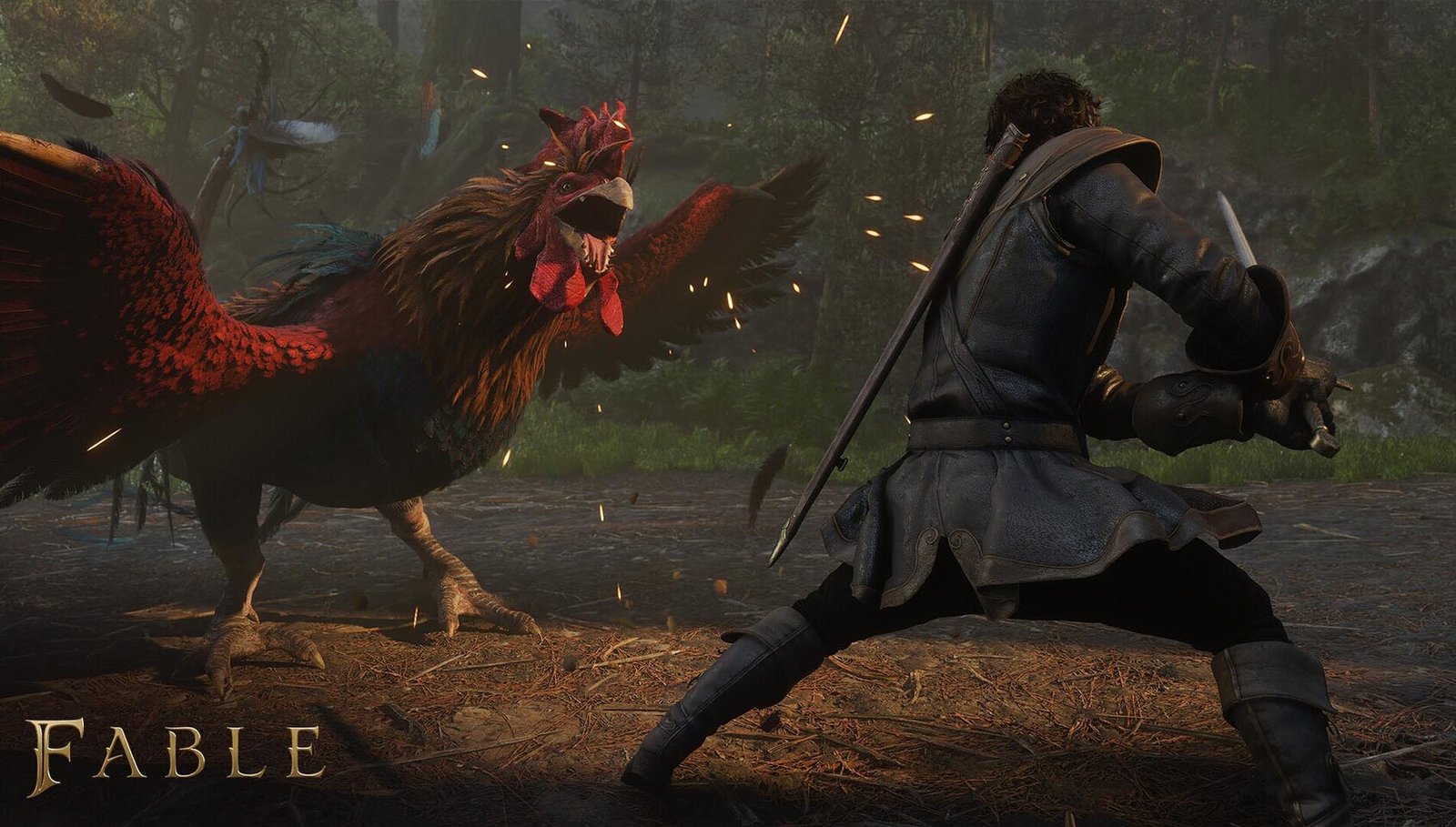
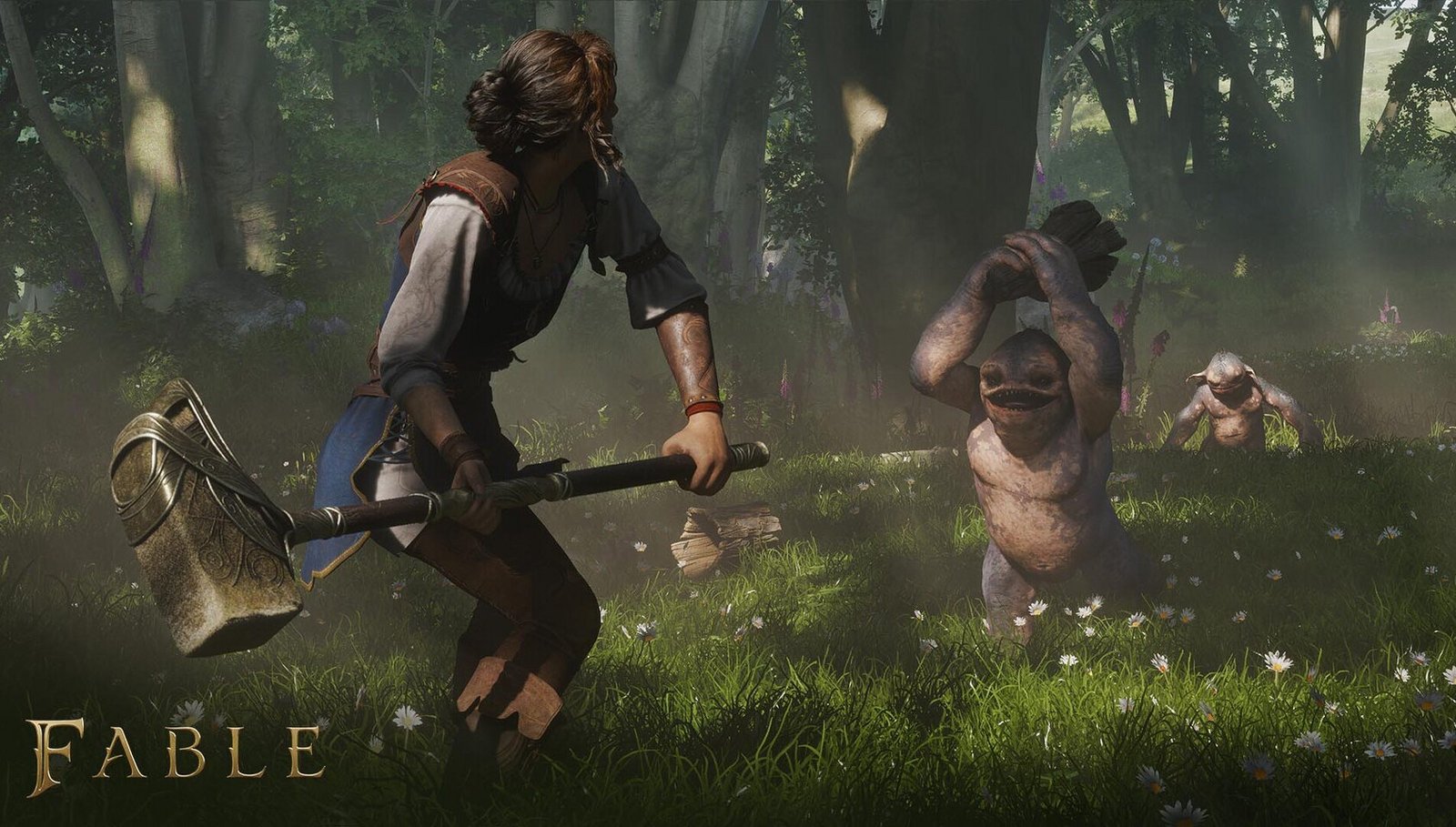
Combat in Fable builds on the traditional mix of melee, ranged, and magic combat styles. Playground refers to its updated system as “style-weaving,” allowing players to switch between weapons and spells without interruption. Encounters are designed around groups of enemies with different behaviors and weaknesses. Players are encouraged to adapt their tactics, using a combination of close combat, ranged attacks, and magic. Emergent moments, such as enemies damaging each other or reacting to environmental effects, are intentionally supported and tied to the series’ humor.
The morality system has been reworked to focus on reputation rather than a simple good-or-evil meter. Player actions observed by NPCs directly influence how they are perceived within each settlement. Reputation is local and subjective, meaning behavior that is acceptable in one town may be criticized in another. These perceptions shape NPC reactions, affecting dialogue options, romance opportunities, shop prices, and overall treatment in public spaces. Playground has made it clear that the game itself does not pass judgment on player choices; instead, the people of Albion do.
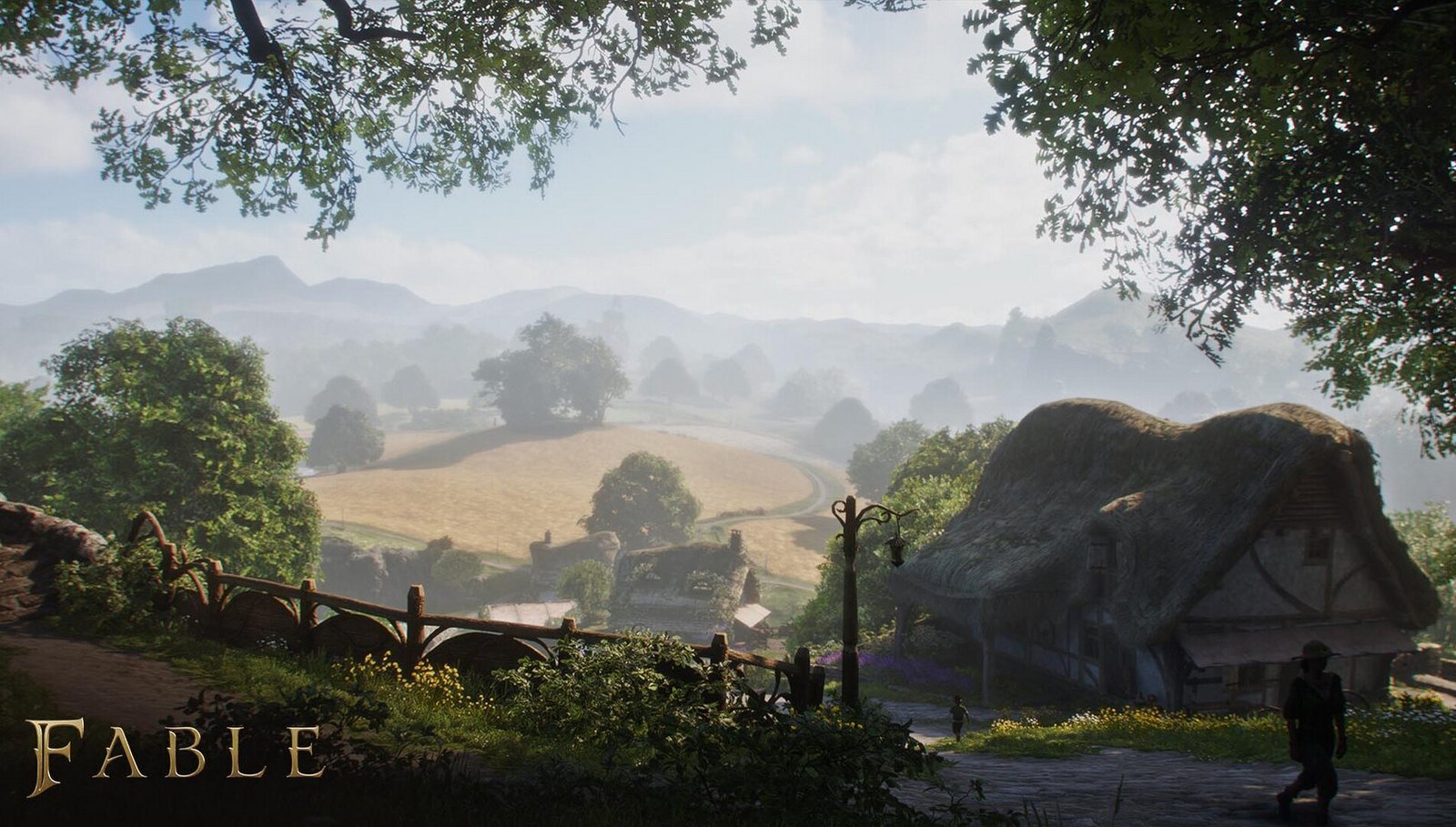
Playground also detailed its “Living Population” system, which includes more than 1,000 unique NPCs. Each character has a name, role, daily routine, and place to live and work. Settlements are built as functional spaces, with NPCs following schedules that change throughout the day. While the Living Population can influence how the world reacts to the player, interaction with these systems is not required to complete the main story. The studio expects some players to focus on the narrative, while others experiment with social systems and long-term consequences.
Character customization was officially confirmed, allowing players to shape their hero’s appearance and identity. Playground Games also stated that more information on the game’s cast, progression systems, and deeper gameplay mechanics will be shared ahead of release. Fable is scheduled to launch on Xbox and PC via Steam this autumn, marking the return of the franchise after more than a decade away from the spotlight.