Tag: PlayStation

  • PlayStation Lifts Region Restrictions on Key PC Titles, Easing Access Worldwide

    PlayStation Lifts Region Restrictions on Key PC Titles, Easing Access Worldwide

    Sony Interactive Entertainment appears to be easing its restrictions on PC versions of its first-party titles by quietly removing regional locks from several major games on Steam. The move follows months of criticism regarding PlayStation’s account linking requirements and the limited regional availability of its PC ports.

    The issue gained public attention earlier this year when Helldivers 2, developed by Arrowhead Game Studios and published by PlayStation, was temporarily delisted in over 100 countries on Steam due to the absence of PlayStation Network (PSN) support in those regions. Players were required to link a PSN account to their Steam account to access the game, despite PSN not being officially supported in many parts of the world. The backlash prompted Sony to reverse its decision, allowing Helldivers 2 to return to affected markets without the account-linking mandate.

    Sony appears to be removing regional restrictions on their Steam/PC games God of War Ragnarok steamdb.info/sub/833972/h…The Last of Us Part II Remastered steamdb.info/sub/1219787/…Spider-Man 2 steamdb.info/sub/1219797/…Helldivers 2 steamdb.info/sub/137730/h…

    Wario64 (@wario64.bsky.social) 2025-06-13T18:38:17.729Z


    Now, signs point to a broader policy shift. Steam listings for other high-profile titles, including God of War Ragnarok, The Last of Us Part II Remastered, Marvel’s Spider-Man 2, and Helldivers 2, no longer show region-based purchase restrictions. The change was first noticed by online deal tracker Wario64, who highlighted the updated availability across previously blocked territories.

    Notably, Days Gone Remastered, which was released recently on PC, launched without any regional restrictions in place. The title was accessible globally from day one, suggesting that Sony may have adjusted its distribution strategy for upcoming PC releases as well.

    Sony’s recent shift reflects a more consistent and inclusive approach to its multi-platform expansion. As the company continues to bring its well-regarded exclusives to PC, removing barriers that prevent players in unsupported PSN regions from purchasing or playing these games is a logical step. It also reduces friction with Steam’s user base, which spans a much wider geographical footprint than PlayStation’s network infrastructure.

    Critics had previously pointed out the contradiction in Sony’s earlier strategy. By making its console-exclusive titles available on PC, the company signaled a willingness to expand its player base beyond the PlayStation ecosystem. However, requiring PSN accounts for titles sold through Steam, particularly in regions where PSN doesn’t operate, directly limits access for a significant segment of global PC users.

    With these restrictions now being rolled back, Sony is aligning its actions more closely with the broader goals of its PC gaming strategy. The removal of region locks not only benefits players in underserved markets but also helps Sony capture a larger share of the global PC gaming audience without additional technical or legal hurdles.

    It remains to be seen whether future PC ports of PlayStation games will follow the same pattern, but the recent developments suggest a course correction is underway. For players outside of PSN-supported regions, this could mark the end of a frustrating era — and the beginning of more seamless access to Sony’s growing library of PC titles.


  • MindsEye Launch Hits Trouble With Performance Issues and PlayStation Allowing Refunds

    MindsEye Launch Hits Trouble With Performance Issues and PlayStation Allowing Refunds

    MindsEye, the debut title from Build A Rocket Boy, has had a rocky release. The game, developed by the studio founded by former Rockstar Games producer Leslie Benzies, has faced a series of problems leading up to and following its launch. What was intended to be a major new title now finds itself under scrutiny for technical issues, unmet expectations, and an increasing number of player refunds.

    Related Story: MindsEye Launch Faces Technical Issues, Details Patches Coming in June

    Trouble began even before the game was released. Just a week prior to launch, two of the studio’s top executives departed the company. This sudden change in leadership raised concerns within the industry, especially given the timing so close to release. Around the same period, the final pre-launch trailer was met with criticism rather than enthusiasm, as early previews failed to generate excitement.

    MindsEye GAme

    Compounding the situation, one of the studio’s co-chief executive officers made comments online suggesting that negative opinions about the game were the result of paid attacks. The comment did not sit well with the community and only added to the negative attention the game was already attracting.

    Days before release, physical copies of MindsEye began circulating early as some retailers broke the street date. In response, the studio issued a warning that these early versions would not include a major day-one patch. However, players who had already gained access expressed concerns that the game had several technical issues that might not be resolved even with the update.

    Now that the game is officially out, performance problems have become a major point of criticism. On PC, players are reporting that the game struggles to maintain 60 frames per second at 4K resolution, even on high-end systems, unless NVIDIA’s DLSS and Frame Generation features are enabled. On consoles, performance is more restricted, with the game locked at 30 FPS and no performance mode available to increase frame rate.

    PlayStation is allowing refunds for MindsEye www.thegamer.com/mindseye-pla…

    Wario64 (@wario64.bsky.social) 2025-06-12T13:19:55.498Z


    This performance gap has led to players seeking refunds. According to a report from TheGamer, a user who purchased MindsEye on PlayStation 5 Pro received a refund after pointing out that the game was advertised as running at 60 FPS on the enhanced console, which it currently does not. Other users have shared similar experiences online, including one user who posted a message from PlayStation Support acknowledging that, while refunds are usually not issued for downloaded titles, one was granted due to technical issues.

    Build A Rocket Boy has not yet issued a detailed response regarding the performance issues or the reports of refunds. The studio has only confirmed that patches are in development. Notably, one planned sponsored livestream promoting the game was quietly canceled, suggesting the studio may be limiting public exposure while working on fixes.

    As more users report problems and refunds, the situation has drawn comparisons to the launch of Cyberpunk 2077. However, MindsEye has not been delisted from digital storefronts, nor has PlayStation made any official platform-wide statement. Still, many players are expressing disappointment not just with technical performance, but also with the overall experience.

    While the final outcome of MindsEye’s release remains to be seen, early signs point to a challenging road ahead for Build A Rocket Boy’s first title.

  • Upcoming PlayStation Handheld Reportedly Features AI Upscaling, New Memory Optimizations

    Upcoming PlayStation Handheld Reportedly Features AI Upscaling, New Memory Optimizations

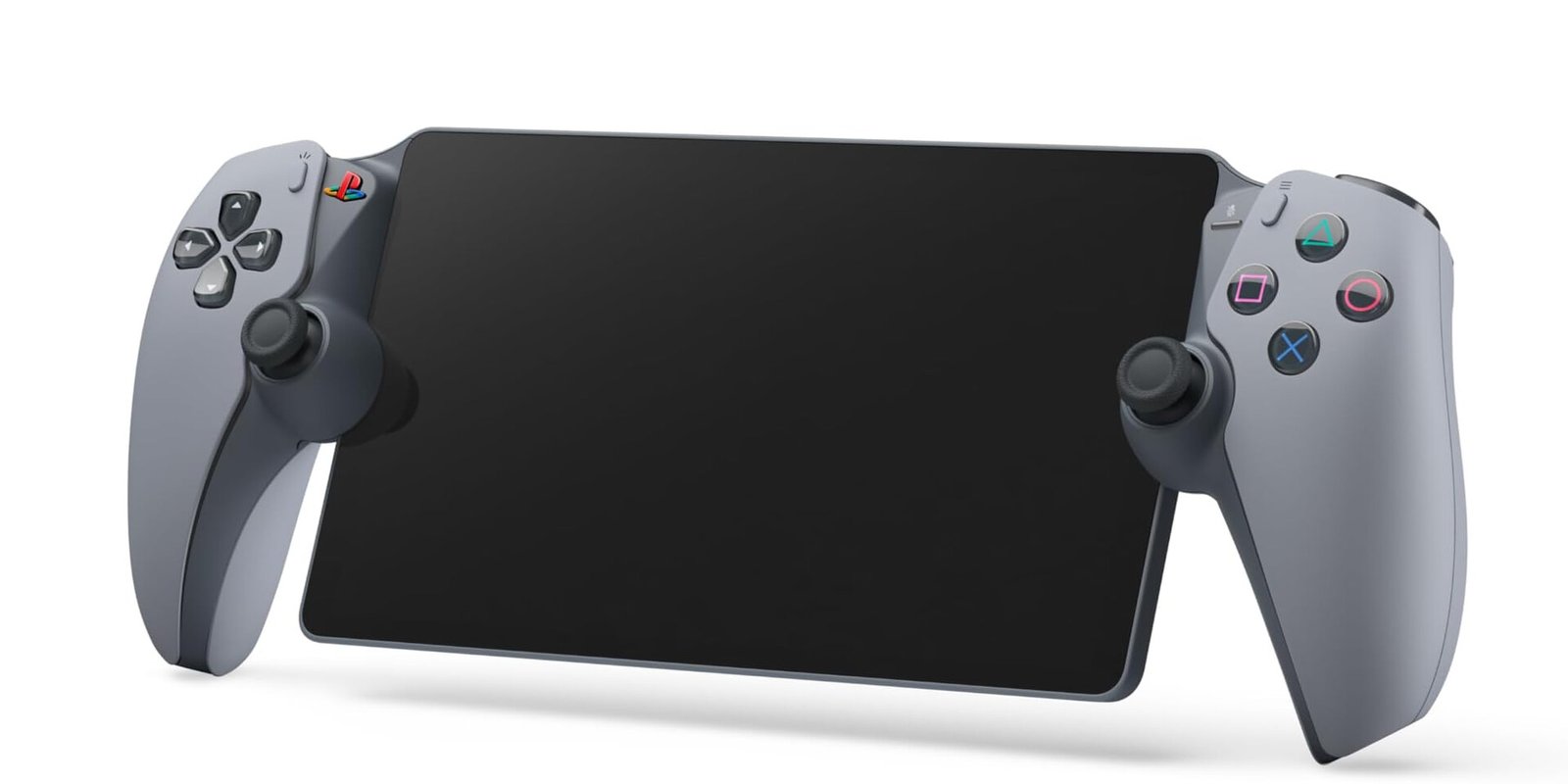
    Sony’s long-rumored PlayStation handheld appears to be moving closer to reality, with new technical details emerging from a reliable industry source. According to KeplerL2, a well-known AMD leaker active on the NeoGAF forums, the handheld will feature an advanced AMD APU and several architectural changes aimed at improving efficiency while keeping power consumption low.

    The upcoming PlayStation Handheld device is said to include AI upscaling, making it the first AMD-powered system to feature the technology. While not confirmed by Sony, this capability could enhance visual fidelity by allowing the handheld to upscale lower-resolution graphics in real time, a practical approach for a device with more limited hardware resources compared to home consoles.

    Memory configuration has also been addressed. The handheld will reportedly come equipped with 16 GB of LPDDR5X RAM. Although LPDDR6 is expected in future devices, it’s still not ready for consumer products. KeplerL2 noted that while the handheld will operate with roughly one-third of the memory bandwidth of the standard PlayStation 5, it will feature additional cache and improvements to memory compression to offset the limitations.

    Specifically, the APU is said to include 4MB of L2 cache and 16MB of MALL (Memory-At-Last-Level) cache. This is a notable departure from current-generation consoles and could help maintain performance levels in bandwidth-constrained scenarios. MALL cache, in particular, is used to store frequently accessed data closer to the GPU, which can reduce latency and increase efficiency.

    The handheld’s architecture will reportedly be a customized version of AMD’s gfx13 lineup, also known as RDNA5 or UDNA, which is also expected to be the foundation for the PlayStation 6. This suggests that the new device will serve as a stepping stone toward Sony’s next-generation console platform.

    While Sony has not officially confirmed the development of a new handheld, speculation has grown in recent months. A recent discovery of a low-energy mode being tested for the PlayStation 5 and PS5 Pro has led some to believe that Sony may be preparing performance profiles suited to a portable device.

    In contrast, Microsoft has taken more visible steps into the handheld market. During the 2025 Xbox Game Showcase, the company introduced the ROG Xbox Ally, a gaming PC built in collaboration with ASUS that adopts Xbox branding. There were also reports of Microsoft working on a dedicated handheld system, though those efforts were reportedly paused to focus on improving Windows 11’s gaming experience on portable devices.

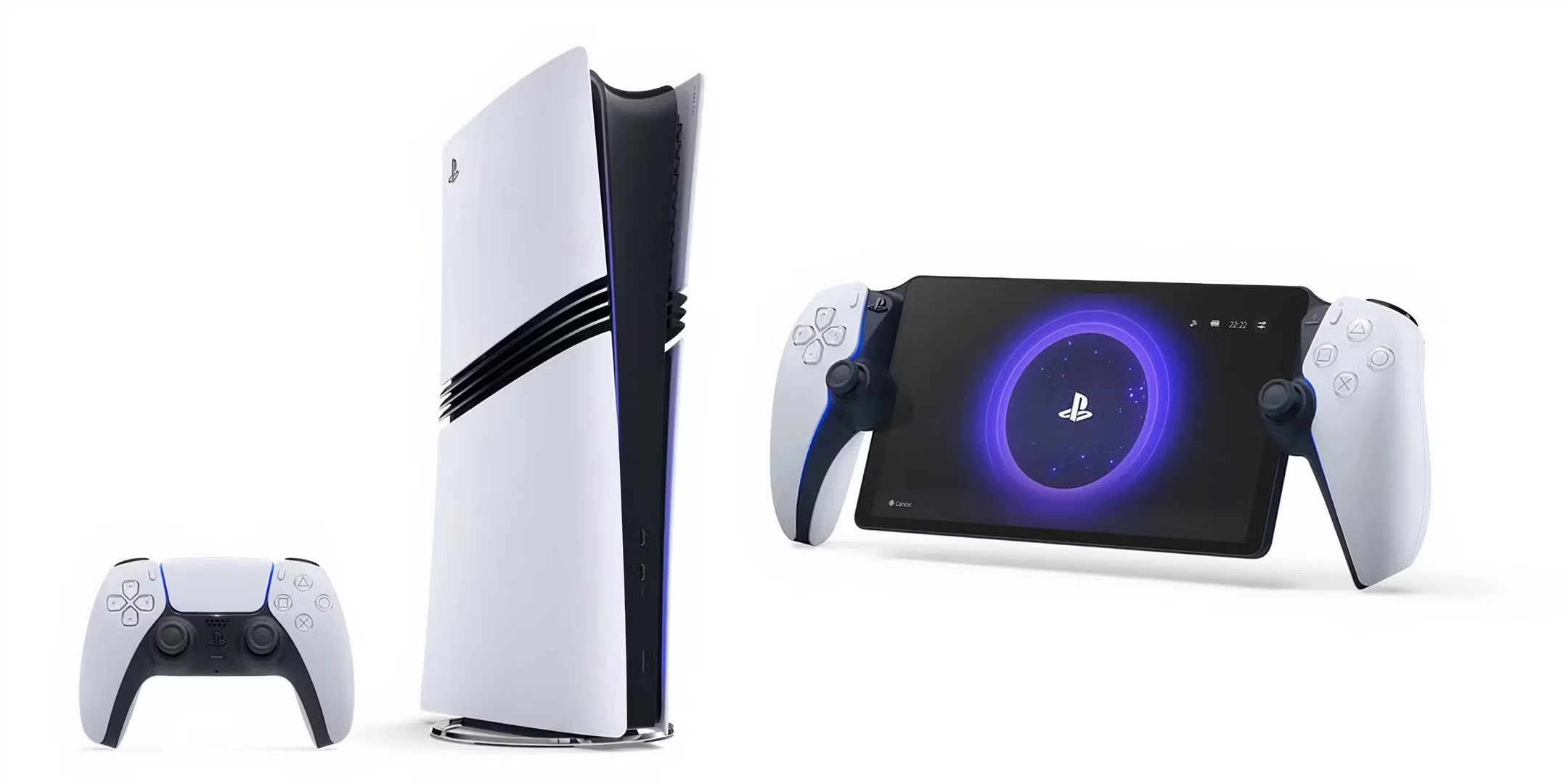
    If the reports are accurate, Sony’s new handheld could represent a significant evolution in its portable gaming strategy. Unlike the PlayStation Portal, which relies on remote streaming, this device appears to be built as a fully capable standalone console. As of now, however, Sony has made no official announcements, and the details remain unofficial until confirmed.

    Source: Wccftech, NeoGAF: 1, 2, 3, 4, 5

  • PlayStation Reveals New Wireless Fight Stick, Codename Project Defiant

    PlayStation Reveals New Wireless Fight Stick, Codename Project Defiant

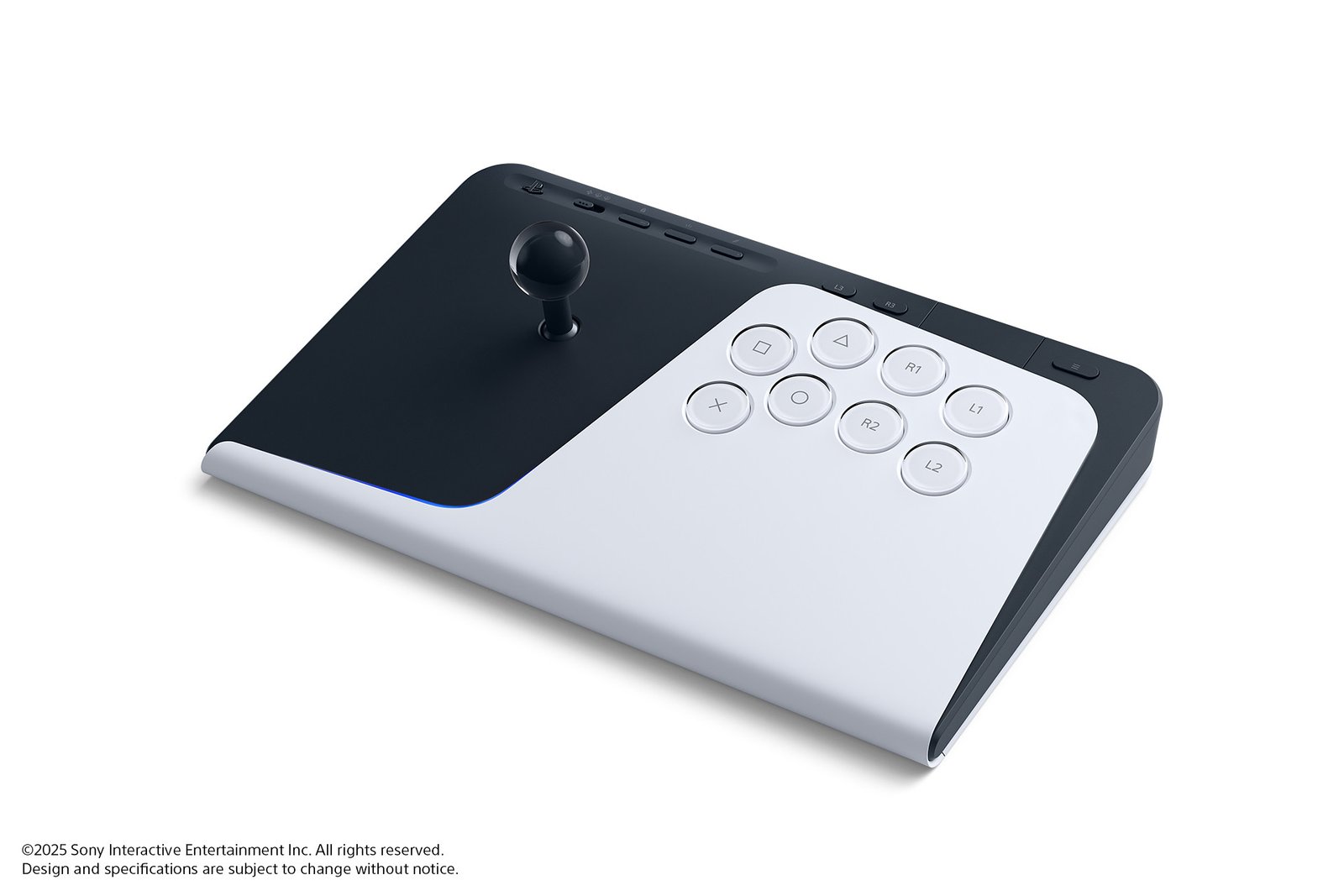
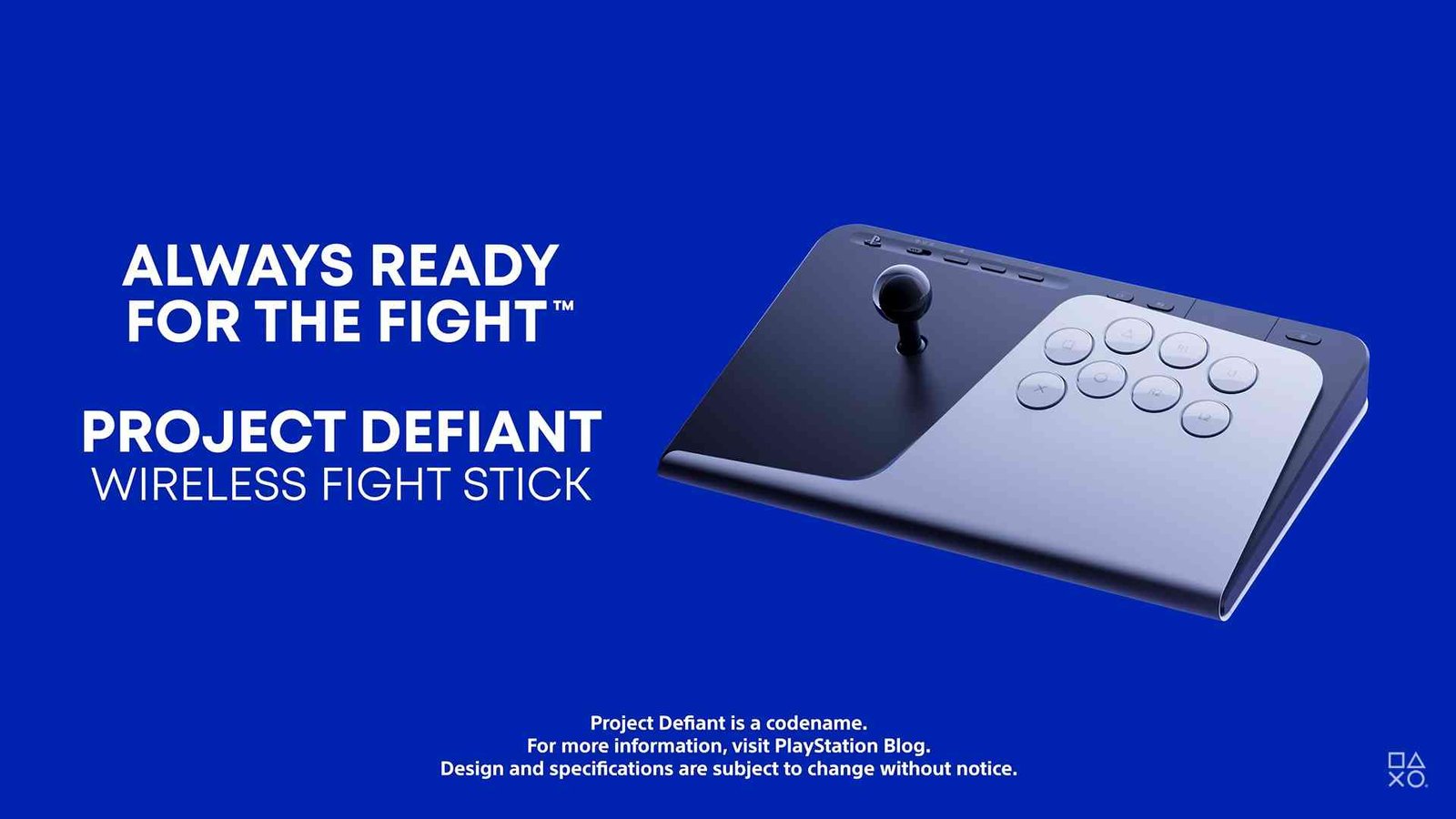
    During its latest State of Play broadcast, PlayStation announced a new wireless fight stick currently known as Project Defiant. This marks the company’s first in-house arcade-style controller designed specifically for the PlayStation ecosystem.

    The announcement came shortly after Digital Eclipse revealed Mortal Kombat: Legacy Collection, a compilation of nine classic Mortal Kombat titles scheduled for release in 2025. The collection will launch on a wide range of platforms, including PlayStation 5, PlayStation 4, Xbox Series X|S, Xbox One, Nintendo Switch, the upcoming Switch 2, and PC.

    Project Defiant is described as a wireless arcade fight stick that utilizes PlayStation Link, Sony’s proprietary wireless technology that aims to offer “ultra-low latency.” While designed for wireless play, the fight stick will also support wired connections, making it suitable for competitive settings where input delay can be a factor.

    A brief trailer shown during the presentation highlighted the fight stick’s design, which follows the familiar white and black aesthetic of the PlayStation 5. The controller will also ship with a dedicated sling-style carrying case, which should appeal to players who travel to tournaments or local events.


    In terms of features, Project Defiant appears to offer several quality-of-life enhancements. According to the official PlayStation Blog, the device includes a custom-designed digital stick and tool-less interchangeable restrictor gates—available in square, circular, and octagonal configurations. The buttons are built with mechanical switches, which are typically preferred for their responsiveness and durability. A built-in touchpad, similar to the one found on the DualSense controller, is also present.

    Sony has not provided a price or finalized name for the product yet. Both of those details are expected to be revealed closer to the stick’s full launch in 2026. Despite the popularity of fighting games on PlayStation platforms, this will be the company’s first official entry into the fight stick market.

    The State of Play also included another major fighting game announcement. Marvel Tokon: Fighting Soul, a new 4v4 tag-based fighter from Arc System Works, is in development and set for release in 2026. The game will feature a mix of characters from across the Marvel universe and is being developed by the same studio known for Guilty Gear and Dragon Ball FighterZ.

    Project Defiant’s announcement signals a growing interest from PlayStation in supporting the fighting game community with first-party hardware. With titles like Street Fighter 6, Tekken 8, and Mortal Kombat 1 already available and new games on the horizon, the timing of this release could align well with the competitive circuit in the coming years.

  • PlayStation 5 System Software Update Quietly Fixes Longstanding VRR Stuttering Issue

    PlayStation 5 System Software Update Quietly Fixes Longstanding VRR Stuttering Issue

    Sony has rolled out a new PlayStation 5 system software update, which became available yesterday, bringing a critical fix for a lingering issue affecting Variable Refresh Rate (VRR) performance, particularly in games running at 120 Hz with an unlocked frame rate. Though the official update notes only reference minor usability improvements, users and industry watchers have confirmed that this release quietly addresses a more significant problem.

    The fix was first spotted by users on the PlayStation 5 subreddit, where several players reported improvements in performance in titles previously affected by stuttering issues. This included games like The Last of Us Part I and II, Kingdom Come: Deliverance II, and Diablo IV. These titles, while capable of utilizing 120 Hz output, often suffered from inconsistent frame pacing when VRR was active, resulting in noticeable stutter, even when games were not explicitly running in a 120 Hz mode.

    Sony PR contacted me yesterday to confirm that – as already detected by some – the latest PlayStation firmware resolves the VRR hiccup issue. When I find a spare moment, I'll test it out.

    Digital Foundry (@digitalfoundry.bsky.social) 2025-06-05T07:47:26.529Z


    The problem also extended to games that rely on VRR within the 48 Hz to 60 Hz range, such as Elden Ring. According to community feedback, Elden Ring would begin to stutter after approximately 20 minutes of playtime when VRR was enabled. Following this update, players have reported that the issue no longer occurs. Sony later confirmed to Digital Foundry that the VRR issue had indeed been fixed in this latest firmware release, though the update notes made no mention of the change.

    This fix brings the PlayStation 5 in line with the Xbox Series X|S consoles, which have delivered a more stable VRR experience since launch. Sony introduced VRR support to the PlayStation 5 via a firmware update in 2022, but adoption has been uneven, and performance issues have persisted across several major titles. The resolution of this particular issue is a notable step toward improving system-wide support for high refresh rate displays, especially as more users adopt VRR-capable TVs and monitors.

    Outside of the VRR fix, the update does not include any significant new features. As per Sony’s official changelog, the update includes minor changes related to message notifications and improvements to screen usability. The last major firmware update arrived in April and brought several user-facing features, including a refreshed UI commemorating PlayStation’s 30th anniversary and an Audio Focus setting designed to help players better distinguish quieter in-game sounds and voice chat during gameplay.

    While the omission of the VRR fix from the official patch notes may have left some users unaware of the improvement, the change has been widely welcomed by the PlayStation community. With smoother gameplay now restored across a number of popular titles, the update marks an important quality-of-life improvement for players using displays that support variable refresh rate technology.

  • Sony Reportedly Developing PlayStation 6 Portable with Custom AMD Chipset

    Sony Reportedly Developing PlayStation 6 Portable with Custom AMD Chipset

    Sony and Microsoft are reportedly working on handheld gaming systems, though early indications suggest the two companies are heading in different directions with their respective projects. According to industry sources and recent leaks, these future handhelds are not expected to compete directly with one another, as their target audiences and technical approaches appear to differ significantly.

    Insider reports point to a potential collaboration between Microsoft and ASUS on a handheld device that shares some similarities with the ROG Ally. The rumored project is still in its early stages, but the partnership suggests a Windows-based handheld with Xbox integration could arrive sometime in 2025. While no official confirmation has been provided, industry watchers believe this device could focus on cloud gaming and compatibility with Xbox Game Pass, following Microsoft’s strategy of expanding its ecosystem across multiple form factors.

    PlayStation 6 Portable

    Meanwhile, Sony is said to be exploring a more traditional console-like PlayStation 6 Portable handheld. Information surfaced in March from leaker Kepler_L2, who has previously provided early details about AMD hardware. According to their posts, Sony is working closely with AMD on a custom chipset for what has been referred to as a “PS6 Portable.” The device, rumored to be based on a 15-watt system-on-chip (SoC) manufactured on a 3 nm process node, is expected to offer performance that sits between the Xbox Series S and the standard PlayStation 5.

    Reports suggest that the handheld will be capable of running PlayStation 5-era games, albeit with reduced visual fidelity due to power and bandwidth limitations. Resolution and frame rates may be scaled back to accommodate the constraints of portable hardware. The GPU portion of the SoC is speculated to include fewer than 40 compute units—likely below 36, based on multiple media interpretations—placing it somewhere between Sony’s existing PS5 hardware and Microsoft’s smaller Series S.

    Notably, this upcoming PlayStation 6 Portable handheld is not believed to share much in common architecturally with Sony’s next-generation home console, the PS6. While both may utilize AMD technology, the portable device appears to be purpose-built with mobile gaming in mind, rather than being a scaled-down version of the home console.

    Sony’s rumored return to the handheld space is drawing interest from long-time fans of the PSP and PS Vita. Although both earlier devices built up dedicated fan bases, they struggled to maintain momentum against Nintendo’s handheld lineup. With more powerful mobile hardware and access to a robust library of PS5 titles, Sony’s new handheld could offer a more competitive experience in the portable gaming market.

    As of now, neither Sony nor Microsoft has officially confirmed these developments. More concrete details are expected to emerge over the coming months, especially if launch windows in late 2025 or beyond are accurate.

    Sources: GamingLeaksAndRumours SubredditNotebookcheckWccftech #1Wccftech #2HotHardwareInsider GamingWired (archive image source)

  • Assassin’s Creed Shadows Release Date, Pre-Load Details, and Global Launch Timings Revealed

    Assassin’s Creed Shadows Release Date, Pre-Load Details, and Global Launch Timings Revealed

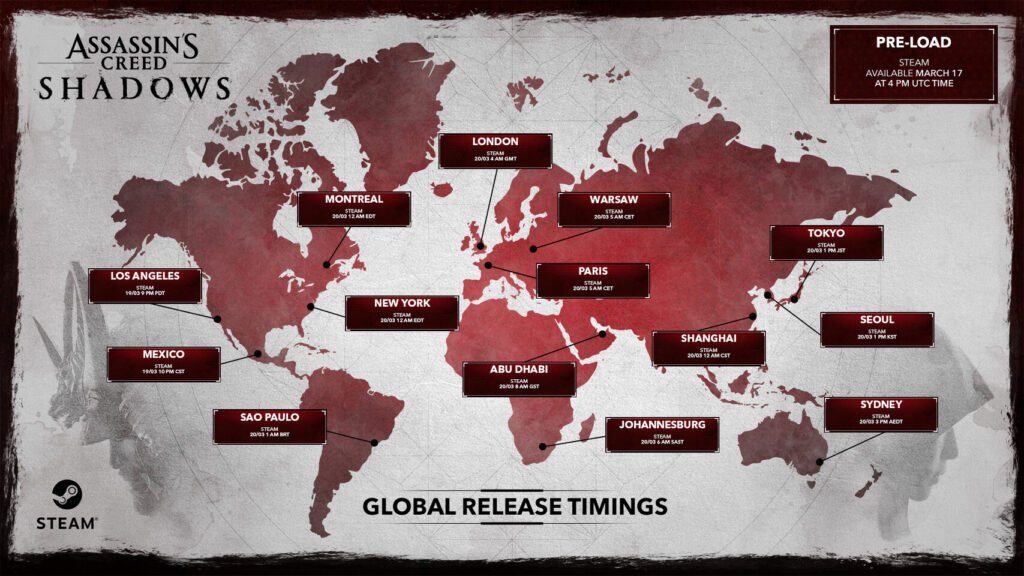
    Ubisoft has officially confirmed the release date and global launch schedule for Assassin’s Creed Shadows, the latest entry in the long-running action-adventure franchise. The game is set to launch on March 20, 2025, and will be available on Steam and other platforms. For those eager to jump into the world of feudal Japan, pre-loading will be available starting March 17 at 9:00 AM PST (4:00 PM UTC), ensuring players can dive into the game as soon as it goes live.

    Assassin’s Creed Shadows Pre-Loading TIme

    As with many major releases, Assassin’s Creed Shadows will have a staggered global launch, with exact release times varying by region. Here’s a breakdown of when players can start their journey:

    • Tokyo: March 20, 1:00 PM JST
    • Montreal / New York: March 20, 12:00 AM EDT
    • Los Angeles: March 19, 9:00 PM PST
    • Mexico City: March 19, 10:00 PM CST
    • São Paulo: March 20, 1:00 AM BRT
    • London: March 20, 4:00 AM GMT
    • Warsaw / Paris: March 20, 5:00 AM CET
    • Abu Dhabi: March 20, 8:00 AM GST
    • Johannesburg: March 20, 6:00 AM SAST
    • Shanghai: March 20, 12:00 AM CST
    • Seoul: March 20, 1:00 PM KST
    • Sydney: March 20, 3:00 PM AEDT

    Players who pre-purchase Assassin’s Creed Shadows will receive additional content at no extra cost. This includes the Thrown to the Dogs bonus quest available at launch, as well as the Claws of Awaji expansion, which is set to release later in 2025. Pre-ordering also ensures access to pre-loading, allowing players to have the game installed and ready to play the moment it becomes available in their region.

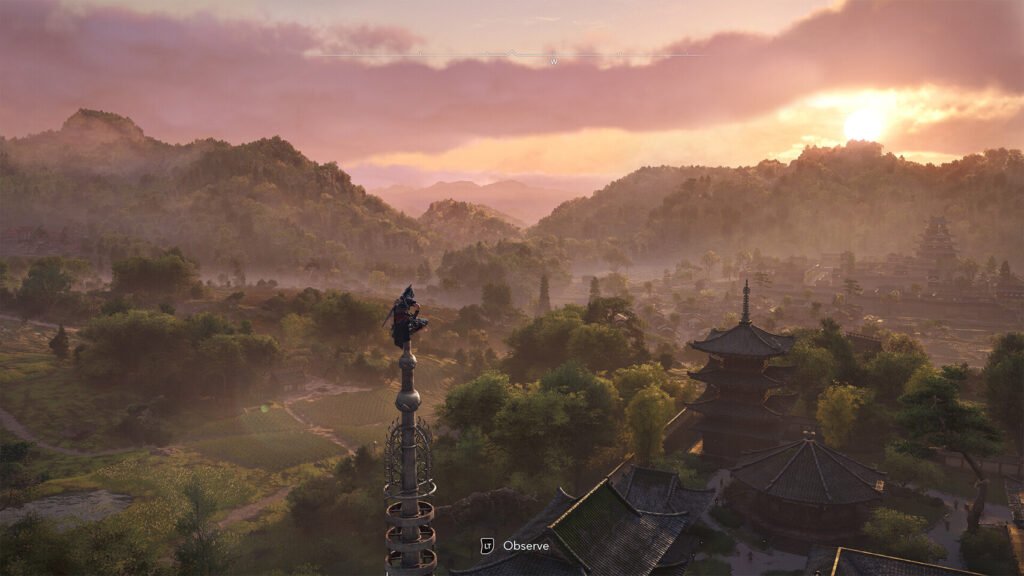
    Assassin’s Creed Shadows takes players to feudal Japan, a setting that has been highly requested by fans for years. The game is expected to feature a blend of stealth, parkour, and open-world exploration, with a rich historical backdrop. Ubisoft has yet to reveal extensive gameplay footage, but expectations are high following the success of Assassin’s Creed Mirage and previous entries in the series.

    The Assassin’s Creed Shadows will be available for purchase on Steam, Ubisoft Connect, PlayStation, and Xbox digital stores. While pricing details may vary by region, pre-purchase options are already live on several platforms.

    With just a few days to go before release, fans can prepare by ensuring they have enough storage space and pre-loading the game in advance. Stay tuned for further updates, including performance reviews and gameplay impressions as launch day approaches.